
How Local Autism Charity Donation Impact Programs Work
Get a clear look at local autism charity donation impact programs. See how Bike to the Beach funds therapy, sensory gyms, and family support near you.

When you support a Bike to the Beach rider, your donation does more than help someone reach a fundraising goal. It helps strengthen services in the same communities where riders live, work, and ride. That includes the DC/MD/VA region, New York, New England, and South Florida.
Bike to the Beach connects local autism charity donation impact programs with nonprofit partners. Those partners provide sensory spaces, therapy, education, recreation, family support, and community inclusion. Because funds stay local, each region can address needs identified by organizations serving local individuals and families.
Over the last three years, Bike to the Beach has donated more than $1.25 million to local organizations. It currently works with 15 or more nonprofit partners. The sections ahead show how that support reaches families. They also trace the programs connected to each regional ride.
How Do Local Autism Charity Donation Impact Programs Reach Families?
Bike to the Beach connects rider fundraising with local autism and disability nonprofit partners. Support becomes a service that families recognize in their own communities. Funds stay in the region where they are raised. That helps partners respond to local needs instead of relying on a distant, one-size-fits-all system.
That local connection begins with the partner model. Bike to the Beach works with organizations that understand the families, providers, and community resources in their region. Together, those partners turn rider-raised funds into practical services. Here is what that support can look like:
- Sensory gyms and therapeutic spaces – calm, structured environments where autistic children and adults can regulate sensory input, build movement skills, and participate with confidence.
- Therapy services – ABA and behavioral support, speech therapy, occupational therapy, counseling, and diagnostic or evaluative services delivered by local providers.
- Educational programs – individualized learning support, inclusive activities, and skill-building connected to home, school, and community.
- Family support and respite care – peer networks, resource navigation, caregiver education, and time for families to recharge.
- Recreation and community inclusion – adaptive sports, summer camps, day programs, and other inclusive activities that help people participate on their own terms.
For a closer look at how the local impact model works, see the dedicated overview. Here, the important point is what the model makes possible after a ride. Donations can expand access to practical services families use directly. Those outcomes are more tangible than an abstract promise to make a difference.
The scale of that work is meaningful. Bike to the Beach has donated more than $1.25 million to local organizations over the last three years. More than 15 local nonprofit partners are involved across its ride communities. Each contribution is part of a larger network of riders, donors, volunteers, and organizations taking shared action for individuals with autism and other disABILITIES.
That clarity matters to donors. People want to know where their support goes and what it can make possible close to home. By connecting fundraising with regional nonprofit partners and tangible services, Bike to the Beach gives donors a clearer view of local impact. Families also gain access to support in the communities where they live.
Sensory Gyms and Therapeutic Spaces
A sensory gym is a calm, structured indoor environment for autistic children and adults. It may include swings, climbing equipment, crash pads, balance tools, tactile activities, and quiet areas. The goal is not to make everyone respond in the same way. It is to give each person practical options for movement, focus, comfort, and participation.

These spaces can be difficult for families to access. A community may have a growing need for sensory-friendly services but limited facilities, equipment, or trained support. The CDC reports that 1 in 36 children has been diagnosed with autism spectrum disorder. Accessible local supports are an important part of community planning. When a sensory gym is available nearby, families have a more manageable option for building routines and finding activities that work.
Bike to the Beach events help local partners develop sensory gyms and therapeutic spaces. Rider fundraising can contribute to equipment, room improvements, and the resources needed to make sessions welcoming. The exact project depends on the nonprofit partner and the needs identified in that region. Impact can look different from one community to another.
That local connection matters. Funds raised through the rides stay in the region where they are raised. They support nonprofit partners who understand the families, providers, and community resources around them. A donation is part of a shared effort to create better access, not a one-size-fits-all promise.
For families, the value may be a place to practice movement skills or manage overwhelming input. For the wider community, it is an investment in spaces where autistic people and people with other disABILITIES can be active participants. That is the practical promise behind this part of Bike to the Beach’s local impact.
Therapy Services Funded in Each Community
Rider-raised funds can help local nonprofit partners strengthen the services families use throughout the year. Support may contribute to therapy access, provider capacity, or community programs that connect people with practical, person-centered care. Bike to the Beach partner categories include ABA therapy, speech therapy, occupational therapy, counseling, and diagnostic services.
ABA and behavioral therapy
ABA and other behavioral supports can help children and adults build skills that matter in daily life. Those skills include communication, learning, and participation. Local partners understand the needs, resources, and service gaps in their own communities. Funding from a regional ride can help organizations sustain programs, expand availability, or offer more consistent support.
The goal is not to prescribe one approach for every person. Families should work with qualified professionals to identify goals, assess progress, and choose supports that respect individual strengths and needs. Riders contribute to a community funding stream that helps local providers respond to those priorities.
Speech and occupational therapy
Speech therapy may support communication, language, social interaction, or other practical goals. Occupational therapy can help with routines, sensory needs, motor skills, and greater independence in everyday activities. Depending on the local partner, rider-raised funds may help make these services more available. That could mean therapy sessions, provider programs, or related family resources.
These supports are often most useful when connected to a person’s real environment. That includes home, school, work, and community settings. Local organizations can help families find services that fit their circumstances. They do not have to navigate a one-size-fits-all system alone.
Counseling and diagnostic evaluation
Counseling can give individuals and families a place to work through stress, transitions, relationships, and emotional well-being. Diagnostic and evaluative services can help families understand support needs and identify next steps. Both types of care can be important parts of a broader support plan.
Evidence-based evaluation matters when communities invest in autism support programs. Research on programs for children on the autism spectrum, including the ASSSIST2 randomized controlled trial, shows why services should be assessed for effectiveness and social and emotional outcomes. Read the PubMed record for the program evaluation.
By riding, donating, or building a team, community members help local partners keep these services moving forward. The result is practical support shaped by the people and organizations closest to each region.
Educational Programs and Family Support
Education and family support can shape what daily life looks like for children, adults, and caregivers. Yet local programs often operate with limited funding. Families can face long waitlists, uneven access, or gaps between school, clinical, and community services. Rider contributions help expand access to educational support, family resources, recreation, and community inclusion in the regions where funds are raised.
School and learning support
Educational programs may provide individualized learning support, inclusive activities, and skill-building opportunities. They may also offer guidance for families working with schools. These services connect a person’s strengths and needs with practical support at home, in the classroom, and in the wider community. Funding matters because a nonprofit may have the expertise to help, but not enough unrestricted resources to reach every family asking for it.
The goal is not a one-size-fits-all program. Local partners can respond to the needs they see in their own communities. That may mean strengthening an existing program, expanding participation, or making resources easier to find.
Family support and respite care
Families also need connection, information, and time to recharge. Family support organizations may offer peer networks, resource navigation, caregiver education, recreational opportunities, or respite care. Respite does not replace a family’s role. It gives caregivers breathing room while respecting the person receiving support and helping the household sustain its routines.
Because partners are local, families can be connected to resources that reflect their region, school systems, and community relationships. That practical connection can be as important as the program itself. It matters especially when a family is trying to understand what help is available.
Diagnostic and evaluative services
Families navigating a new diagnosis may need clear, respectful guidance about evaluation and next steps. Local diagnostic and evaluative providers can help families understand individual needs. They can also help families make informed decisions about educational, therapeutic, and community supports. Bike to the Beach recognizes these providers as part of the broader support network.
The Service Provider Partner program gives local providers a structured way to join that network. It builds visibility with families and community members. One point is important to understand: this is a paid sponsorship arrangement with a fee and tiered visibility levels. It is not a volunteer-only listing. That transparency preserves trust while creating another pathway for local organizations to participate.
Recreation, Community Inclusion, and Shared Action
Recreation is an important part of belonging. Adaptive sports, summer camps, day programs, and other inclusive activities give people with autism and other disABILITIES chances to build skills and pursue interests. These programs help people participate in community life on their own terms. Rider contributions can help local partners expand access to recreational programs that may otherwise be underfunded.
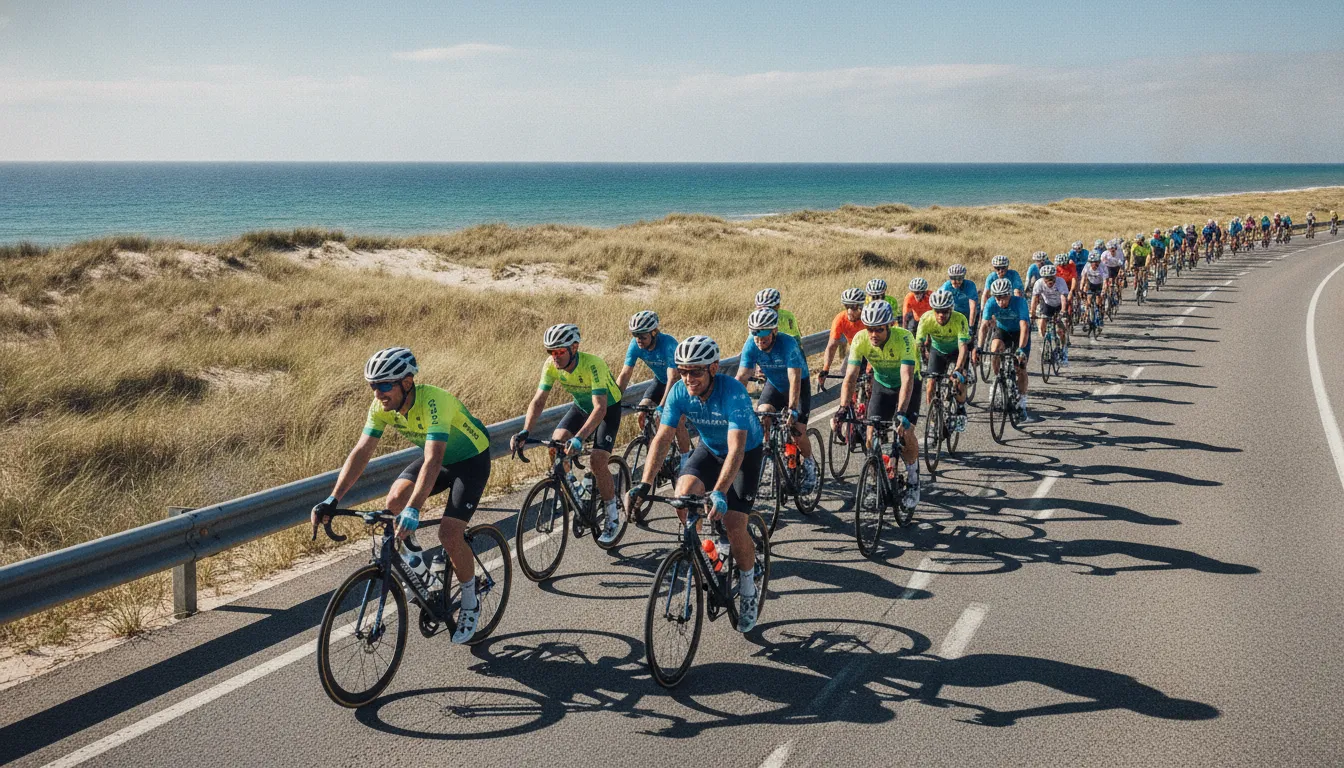
Making room for participation
Community inclusion is not limited to a single service or event. It can look like a child joining an adaptive sports program. It can look like a young adult taking part in a day program. It can also look like a family finding a welcoming camp where accommodations are understood. These experiences strengthen confidence and connection while helping communities become more accessible and responsive.
The goal is participation, not separation. Programs should make space for different communication styles, sensory needs, interests, and abilities.
Everyone has a role
Bike to the Beach brings people together around shared action. Riders raise funds and awareness. Volunteers help make local events possible. Families, schools, civic groups, nonprofit partners, and service providers contribute time, knowledge, and connection. Participants are not rescuers arriving from outside the community. They are community members working alongside one another.
That shared spirit also shapes the ride itself. A fully supported route and memorable beach finish give people a joyful way to connect, celebrate progress, and carry the mission forward. For a closer look at the people behind the movement, read Why We Bike rider stories.
Where Do Donations Go in Your Region?
Bike to the Beach connects each ride community with local autism and disability nonprofit partners. Funds stay in the region where they are raised. Rider and donor support strengthens programs serving families close to home. The route creates a shared starting point, while local partners shape the priorities that matter most in each community.
| Region | Signature Ride | Types of Programs Funded |
|---|---|---|
| DC/MD/VA ride | Multiple start locations to Dewey Beach. | Local therapy services, educational support, recreation, family support, and community inclusion programs identified by regional partners. |
| New York ride | Metro New York ride community. | Programs that can include therapy, educational support, recreation, family support, and inclusive community activities. |
| New England ride | Boston and New England corridor to a beach finish. | Support for local nonprofit programs such as therapy, learning support, recreation, family resources, and community inclusion. |
| Florida ride | Deerfield Beach to Jupiter, South Florida. | Regional partner programs spanning therapy, education, recreation, family support, and community connection. |
These categories describe the range of local impact. They are not a one-size-fits-all allocation. Partners in each region understand the needs of the people they serve. They direct support toward practical opportunities, from therapy and education to recreation, family services, and community inclusion.
Support a ride in your region today and help fund programs families use close to home.
Frequently Asked Questions
Where do Bike to the Beach donations go?
Rider-raised donations stay in the region where they are raised. They support local autism and disability nonprofit partners. Those organizations turn community fundraising into services and resources for families in the same area, rather than pooling every contribution nationally.
What kinds of programs can donations support?
Local partners may use support for sensory gyms, ABA, speech and occupational therapy, counseling, educational programs, respite and family support, recreation, and community inclusion. The mix depends on the needs and work of nonprofit organizations in each region.
Can I choose which region my donation supports?
Yes. To keep your giving local, support a rider or team participating in the region you want to strengthen. Bike to the Beach has ride communities in DC/MD/VA, New York, New England, and South Florida. Each region is connected to its local nonprofit partners.
How can I understand the impact of my donation?
Start with the nonprofit partner’s updates, financial information, and program descriptions. Then ask how funds support services for local families. Bike to the Beach emphasizes clear, tangible community outcomes and works with partners that provide local resources and support.
Do donations fund autism research?
The focus described for Bike to the Beach fundraising is local services and community programs. That includes therapy, education, family support, recreation, sensory spaces, and inclusion. If you are considering a specific contribution, contact the organization or review the relevant regional partner information to confirm its current use.
Ready to turn your ride into local impact?
Every ride creates a practical way to support autism and disability programs in the communities where participants live and ride. If this local approach matches how you want to make a difference, get started by choosing a ride. You can also bring your coworkers, friends, or family together as a team. Register for a ride or start a team with Bike to the Beach, and take the next step alongside your community.