
Volunteer Opportunities Autism Support for Communities
Start volunteer opportunities autism support with practical event roles for riders, corporate teams, and local disability partners at Bike to the Beach rides.

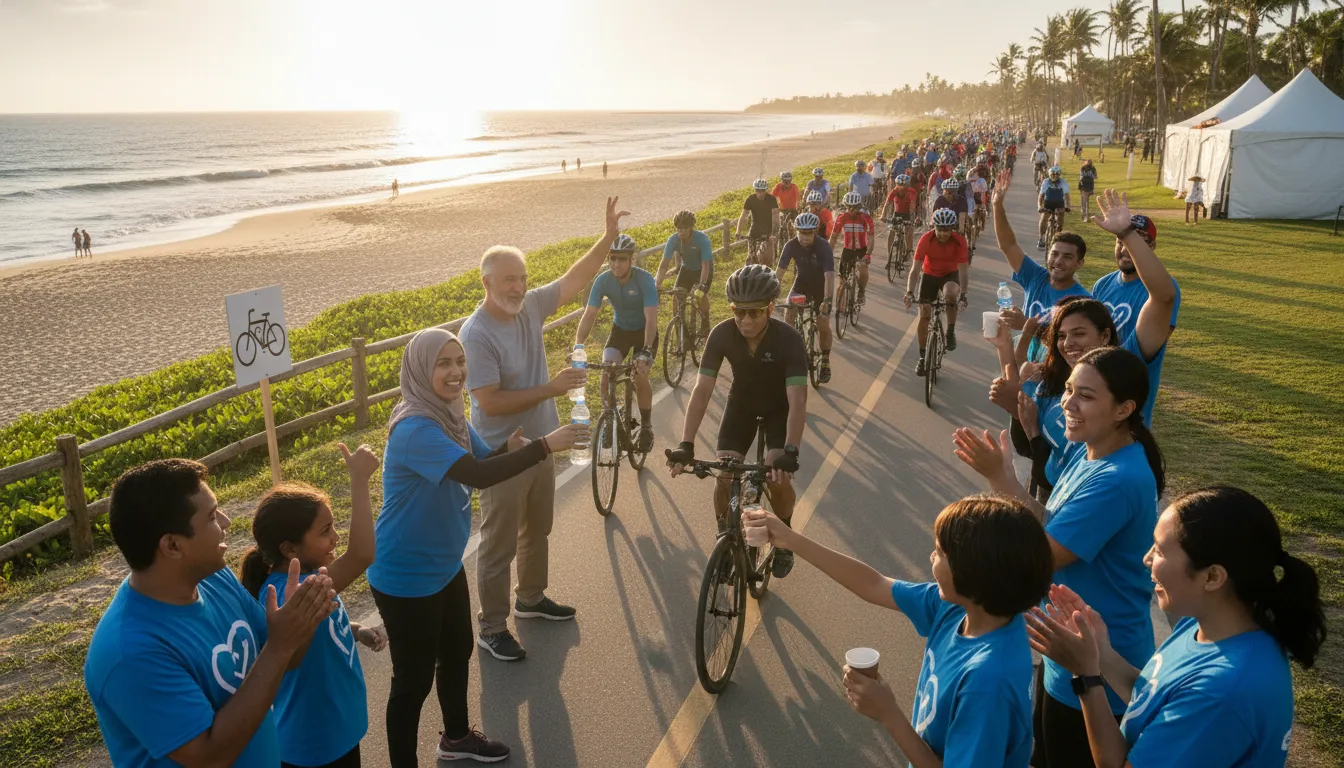
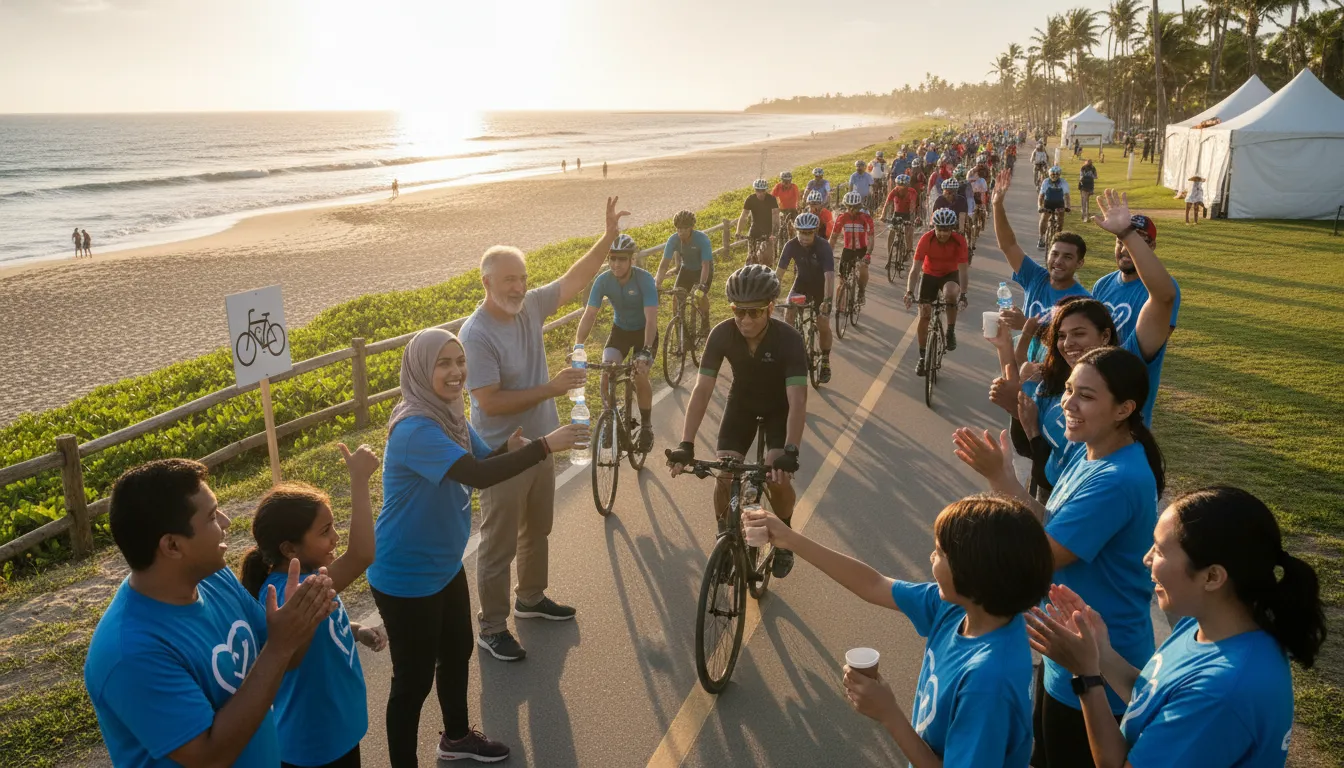
Every safe mile at Bike to the Beach starts with volunteers ready to act. They fuel riders, guide the route, welcome families, and turn a charity bike ride into shared local impact.
Explore Bike to the Beach volunteer roles and choose a hands-on way to support riders and local disability nonprofit partners.
Volunteer opportunities autism supporters can find at Bike to the Beach include rest stops, route marshalling, registration, finish-line support, SAG driving, photography, and team-based fundraising help. Each role supports a fully supported ride while raising funds and awareness for local autism and disability organizations. Individuals, families, students, nonprofit partners, community groups, and corporate teams can contribute through practical roles that match their time, skills, and comfort level.
This guide explains where volunteer support matters most, who can get involved, how companies can plan meaningful service, and how event-day work connects to local impact. It also gives volunteers a clear path to choose a role, prepare well, and show up with confidence.
Volunteer opportunities autism supporters can find at Bike to the Beach
Bike to the Beach volunteer roles give supporters practical ways to help before, during, and after a charity ride. The strongest fit depends on whether a volunteer prefers greeting riders, managing supplies, guiding traffic flow, driving approved support routes, taking photos, or helping a group stay organized.
Bike to the Beach offers hands-on event roles for people who want to support local autism and disability partners without necessarily riding. Volunteers help riders move safely from check-in to the beach finish. They also create a warm, organized setting for riders, families, donors, and partner groups.
These roles welcome corporate teams, nonprofit partners, service groups, students, and other community members. Research on inclusive volunteering also shows why accessible roles matter. Volunteer programs should provide accommodations and support for volunteers with disabilities so more people can take part fully.
Rest stops and route support
Rest stop volunteers keep riders fueled, hydrated, and encouraged along the route. Teams set up supplies, greet riders, help manage the stop, and clean the site afterward. This role suits groups that enjoy steady activity and direct contact with participants.
Route marshals help riders follow the course at key points. They offer clear directions and watch for issues that event staff may need to address. People exploring the Washington, DC and Maryland event can review DMV ride volunteer opportunities and ask which route or rest-stop assignments are currently open.
- Rest stop staff: Prepare supplies, welcome riders, refill basics, and keep the space easy to use.
- Route marshals: Guide riders at turns, watch for confusion, and communicate with event leads.
- Medical and SAG drivers: Provide approved mobile support for riders who need assistance.
Registration and finish-line roles
Registration and packet pickup volunteers help the event start smoothly. They check in riders, share event materials, and answer basic questions. These roles are a strong fit for organized volunteers who enjoy meeting many people in a short period.
At the other end of the route, finish-line volunteers welcome riders and help manage the celebration area. Their work may include directing arrivals, handing out materials, and supporting event flow. Together, these teams give each rider a clear and friendly experience from start to finish.
Specialized and creative support
Some volunteer opportunities call for a specific skill or comfort level. Medical volunteers and SAG drivers support riders who need help during the ride. Photographers document the people, teamwork, and moments that show the event’s community impact.
Volunteers receive orientation and role-specific training before taking on event duties. That support helps each person understand the job and work well with the wider team. Prospective volunteers can also explore New England volunteer roles if that regional ride is the right fit.
No single role defines the volunteer experience. Some people want an active route assignment, while others prefer check-in or photography. Each task supports a shared event and helps Bike to the Beach strengthen local autism and disABILITY communities.
How do volunteers keep riders safe, fueled, and encouraged?
Volunteers keep riders safe by staffing rest stops, sharing route guidance, reporting concerns, and supporting approved SAG or medical processes. They also keep the ride welcoming by offering encouragement, clear directions, and calm help at the exact moments riders need it.
Volunteers give riders steady support from the first check-in through the beach finish. Their work combines clear directions, practical care, and the kind of welcome that keeps event day moving. These hands-on volunteer opportunities for autism support turn a long ride into shared community action.
Rest stops that help riders reset
Bike to the Beach places rest stops about every 15 miles along the route. Volunteers help riders refill water, find food, and pause before the next stretch. They also share route notes and point riders toward the right road when they leave.
A useful stop is more than a supply table. Volunteers watch for riders who need extra time, answer simple questions, and help the group stay calm and organized. Their warm welcome can lift a rider’s mood after a hard set of miles.
- Hydration support: Set out water, sports drinks, and other ride supplies.
- Route reminders: Give clear directions for the next segment.
- Encouragement: Cheer riders without rushing them through the stop.
- Site care: Help keep the stop tidy, safe, and easy to use.
Route, SAG, and medical support
Route marshals help riders follow the planned course at key points. Medical and SAG drivers support riders who cannot safely continue on their bikes. Together, these teams create a clear support network across the course.
Volunteers receive orientation and training tied to their assigned roles. Clear duties help each person know when to guide, report a concern, or call for more support. This structure also makes it easier for new volunteers to take part with confidence.
Inclusive event support matters for volunteers, too. Research says community volunteer programs should offer accessible settings, useful accommodations, and support for people with disabilities. Those practices help more people join the work and take part fully in community volunteering.
Encouragement from start to finish
Riders spend hours working toward a shared goal, so event energy matters. Volunteers cheer at rest stops, offer a steady voice on the route, and welcome riders at the finish. Small moments of support can help riders focus on the next safe step.
Finish-line volunteers help create the final burst of energy after a long day. They guide arrivals, support event flow, and celebrate every rider’s effort. This welcome connects the physical challenge with the event’s wider purpose.
Sign up for a regional volunteer role if you want to help riders stay supported from start to finish.
Who can volunteer at a Bike to the Beach event?
Individuals, families, corporate teams, student groups, community organizations, nonprofit partners, and people with disABILITIES can ask about Bike to the Beach volunteer opportunities. Available roles vary by region, age, training needs, safety requirements, and the event team’s current assignments.
Bike to the Beach welcomes interest from people and groups who want to take part in shared community action. Volunteers may join as individuals, families, corporate teams, community service organizations, student groups, or nonprofit partners. Each brings useful skills, local ties, and energy to the event.
These volunteer opportunities support autism and disability communities through practical event service. They also connect volunteers with riders, local partners, and the wider Bike to the Beach community. People can learn more about the mission of supporting autism and disability communities before choosing a role.
Individuals and families
Individuals can help with registration, packet pickup, rest stops, finish-line support, route guidance, or photography. Families may also ask about roles they can complete together. The right fit depends on each person’s age, comfort, skills, and the event’s current needs.
Inclusive planning matters when people with disABILITIES want to volunteer. Opportunities should be accessible in both setting and program design. Support can help volunteers take part fully. Volunteers who need support should share those needs when they inquire about regional ride volunteer options.
Teams, students, and community groups
Corporate teams can serve together while building stronger ties with their local community. Community service organizations and student groups can also bring a team for hands-on event support. Nonprofit partners may volunteer while helping riders understand the local work that the ride supports.
Group leaders should contact the event team early. Staff can match the group’s size, schedule, and skills with open roles. Some assignments may suit a broad group, while others may have age, training, driving, or safety requirements.
- Corporate teams: Ask for a shared assignment that supports employee engagement.
- Student groups: Confirm age rules and whether adult supervision is needed.
- Community organizations: Share relevant service skills when requesting a role.
- Nonprofit partners: Ask how to support the event and connect with participants.
Experience and role requirements
Prior event experience is not needed for every assignment. Bike to the Beach provides orientation and role-specific training, but requirements vary. Medical support, SAG driving, route work, and other safety-focused roles may call for specific skills or approval.
A good match starts with an honest conversation about access needs, experience, and availability. A study of volunteering among youth with disabilities found that accommodations and other support can help participants gain the full benefits of service. Confirming the role first helps each volunteer contribute in a safe, practical way.
Corporate volunteer event ideas with local community impact
Corporate volunteer event ideas for Bike to the Beach include staffing a rest stop, helping with packet pickup, and welcoming riders at the finish. Teams can also form a fundraising group, support photography, or pair volunteer time with a sponsorship. The best option matches the team’s size, schedule, mobility, and service goals.
A supported charity ride gives employees several ways to take part, even when they do not cycle. Colleagues can serve together, meet local partners, and help create a safe event day. Their shared work also connects employee engagement with local autism and disability support.
Why a supported ride works for company teams
A ride has a clear goal, a shared schedule, and roles for many skill sets. Employees can greet riders, organize supplies, solve problems, or cheer at the finish. This range makes the event useful for teams with different interests and comfort levels.
Good planning also makes service more inclusive. Research on youth with disabilities says community volunteer programs should be both environmentally and programmatically accessible. Companies can apply that idea by asking about access needs, sharing role details early, and offering flexible assignments.
Hands-on roles across the event
Corporate volunteer event ideas should match the team’s size, schedule, and strengths. A small group may manage packet pickup, while a large team can staff a rest stop. Bike to the Beach also offers hands-on charity ride volunteer roles that support riders throughout the day.
| Volunteer role | Best fit | How it supports the ride |
|---|---|---|
| Packet pickup. | Organized teams that like greeting people. | Helps riders start prepared and informed. |
| Rest stop crew. | Larger groups that enjoy active service. | Keeps riders hydrated, fueled, and encouraged. |
| Finish-line crew. | High-energy teams that like celebration roles. | Creates a welcoming close at the beach. |
| Fundraising team. | Remote, hybrid, or office-based staff. | Builds support before and after ride day. |
- Packet pickup team: Check names, hand out materials, and help riders prepare before event day.
- Rest stop crew: Set up supplies, welcome riders, keep the space tidy, and help with basic needs.
- Finish-line crew: Guide arrivals, support check-in tasks, and create a warm welcome at the beach.
- Route and support team: Help with signs, rider flow, photography, or approved vehicle support.
- Fundraising team: Build a company campaign, invite colleagues to give, and share the local impact.
Assign a team lead for each role and give volunteers a simple event-day plan. Include arrival times, key contacts, clothing guidance, and each person’s task. Clear details help employees focus on serving riders and working well together.
Fundraising, matching gifts, and sponsorship
Event-day service can be one part of a wider company effort. Employees may form a fundraising team, set shared goals, or ask their employer to match gifts. The company can also connect volunteer time with a sponsor activation that supports the ride and local nonprofit partners.
A strong plan gives employees more than one way to join. Some can ride, others can volunteer, and remote staff can help raise funds. Companies exploring a larger partnership can review Bike to the Beach sponsorship options and choose a level that fits their goals.
Explore sponsorship and corporate team options if your company wants a broader partnership beyond event-day volunteering.
How does volunteering support autism and disability communities locally?
Volunteering supports autism and disability communities locally by helping Bike to the Beach run fully supported rides that raise funds and awareness for regional nonprofit partners. Volunteers contribute time, organization, safety support, and welcome while local partners guide impact toward community needs.
Volunteering at a charity ride does more than keep one event moving. It connects local riders, families, nonprofit partners, and businesses around a shared goal. At Bike to the Beach, that goal is stronger local support for people with autism and other disABILITIES.
A local path from action to services
The local impact model keeps funds in the region where they are raised. Local nonprofit partners can then use that support for services their communities know and trust. These may include sensory gyms, therapy programs, educational support, recreation, family services, and work that builds inclusion.
Volunteers help make this model work by supporting the events that bring people and funds together. They may welcome riders, staff rest stops, help at registration, marshal a route, or support the finish line. Each role helps the broader mission of Bike to the Beach’s autism charity rides take shape close to home.
This approach also makes impact easier to understand. A volunteer can learn about nearby nonprofit partners and the services they provide. That connection turns a day of event support into a deeper view of local needs, strengths, and ongoing community work.
Partnership instead of rescue
Strong volunteer opportunities for autism causes are built on shared action, not savior stories. Volunteers contribute time and useful skills while listening to local partners and people with lived experience. The focus stays on working alongside the community and helping existing programs reach more people.
That partnership can continue beyond ride day. Volunteers may share a partner’s work, return for another event, form a team, or support a local program. Personal stories from Why We Bike also show why riders and supporters choose to stay involved.
Local nonprofit partners add vital knowledge to the relationship. They understand which services families use, where gaps remain, and what kind of help fits. Volunteers bring energy and practical support, while partners help guide that effort toward real community priorities.
Inclusion within the volunteer team
Local impact also means creating roles where people with disabilities can take part as volunteers. Research on youth with disabilities says community volunteer opportunities should be accessible in both the setting and the program. It also calls for accommodations and support that help participants gain the full benefits of volunteering.
Organizers can apply that guidance through clear role descriptions, accessible spaces, flexible tasks, and role-specific training. The research on inclusive community volunteering supports an approach that removes barriers instead of making assumptions. Asking volunteers what support works for them is a practical place to start.
An inclusive volunteer team reflects the community the event aims to support. It also creates more ways for students, families, corporate groups, nonprofit partners, and people with disABILITIES to contribute. Their roles may differ, but each person takes part in the same local network of action.
How can you choose your role and get ready?
To choose a volunteer role, start with the regional ride page, compare assignments with your skills and schedule, confirm age or training requirements, ask about access needs, and review orientation details before event day. A good match helps both the volunteer and event team prepare.
Find the right fit
Start by checking the volunteer page for the ride in your region. For example, the DMV page lists volunteer openings for the DC, Maryland, and Virginia ride and gives local contact details.
Next, think about how you work best. Some people enjoy greeting riders, while others prefer driving, taking photos, or handling supplies. Bike to the Beach roles include registration, packet pickup, rest stops, route marshaling, finish-line support, photography, and medical or SAG driving.
Inclusive volunteer programs should consider access needs and offer the right support. Research on accessible volunteer opportunities also points to the value of accommodations. Share any access needs early, so the volunteer lead can help find a suitable role.
Five steps before ride day
Once you find a role that matches your strengths, confirm the details before you commit. This short process helps both you and the event team prepare.
- Choose your region: Review its volunteer page, available roles, location, date, and contact person.
- Match the task to your strengths: Pick a people-facing role if you enjoy conversation, or a logistics role if you prefer planning and movement.
- Confirm the full time commitment: Ask when to arrive, when the shift ends, and whether setup or cleanup is part of your role.
- Review orientation and role-specific training: Read each message, ask questions early, and save the volunteer lead’s contact details.
- Prepare for ride day: Pack the requested gear, check your travel plan, and arrive with enough time to meet your team.
If you are unsure which role fits, contact the regional volunteer lead. Explain your skills, comfort level, access needs, and schedule. The lead can explain each task and help you choose a useful assignment.
Ready to support the ride
On ride day, wear suitable clothes and bring water, food, sun protection, and any required safety gear. Follow the event lead’s directions, stay at your assigned post, and report concerns quickly. Your main job is to help the ride run safely and smoothly.
No cycling or autism-service experience is needed for many event roles. Good communication, care, and a willingness to learn matter most. To understand the larger purpose behind the day, read how the rides are supporting autism and disability communities locally.
Volunteering is shared community action. Stay flexible when plans change, treat riders and fellow volunteers with respect, and ask before stepping outside your assigned role. A prepared volunteer helps create a welcoming event for everyone.
Frequently Asked Questions
Do I need experience to volunteer with autism communities?
No. Most Bike to the Beach event roles include orientation and role-specific training. Some assignments, including medical support or SAG driving, may require suitable qualifications, licensing, or route-driving experience. Share your skills, availability, and access needs when signing up. Organizers can then match you with a practical role, such as registration, rest-stop support, photography, or finish-line help.
Can autistic people volunteer at Bike to the Beach events?
Yes. Autistic people and volunteers with other disabilities can contribute valuable skills and perspectives in suitable event roles. Research on inclusive volunteering recommends making opportunities accessible and providing needed accommodations and support. Discuss your interests, preferred tasks, communication needs, and accommodations with the event team before choosing a role. Learn more about accessible community volunteering.
Are there volunteer opportunities for teens or students?
Teens and student groups can often help with tasks such as registration, packet pickup, rest stops, photography, and finish-line support. Available roles and supervision rules may vary by event, location, and age. Students should ask the regional event team about age requirements, adult supervision, and service-hour documentation before signing up. This helps organizers place each student in a safe, useful role.
What is the time commitment for volunteering at a Bike to the Beach event?
The time commitment depends on the event, location, and volunteer assignment. Some people serve a single event-day shift, while teams may also help with setup, packet pickup, or finish-line support. Ask for the expected arrival time, shift length, training needs, and travel details before confirming. The regional team can help identify a role that fits your schedule.
Ready to support riders and your local community?
The next step is simple: choose the regional Bike to the Beach volunteer page that fits your location, share your interests and availability, and ask the event team which role needs support. Early signups help organizers match volunteers with useful assignments.
Waiting to volunteer means another event may pass without your time, practical skills, and encouragement helping riders stay supported from start to finish. Signing up now gives organizers more time to match you with a useful role and provide the guidance you need before event day.
By stepping forward early, you can help build a safer, more welcoming event while supporting meaningful local action for autism and disability communities. Your role does not need to be complicated to matter. A clear assignment, a prepared volunteer, and a community-first mindset can make the day stronger for riders and partners.
Sign up to volunteer with Bike to the Beach today and request a role that fits your interests, experience, and availability.