

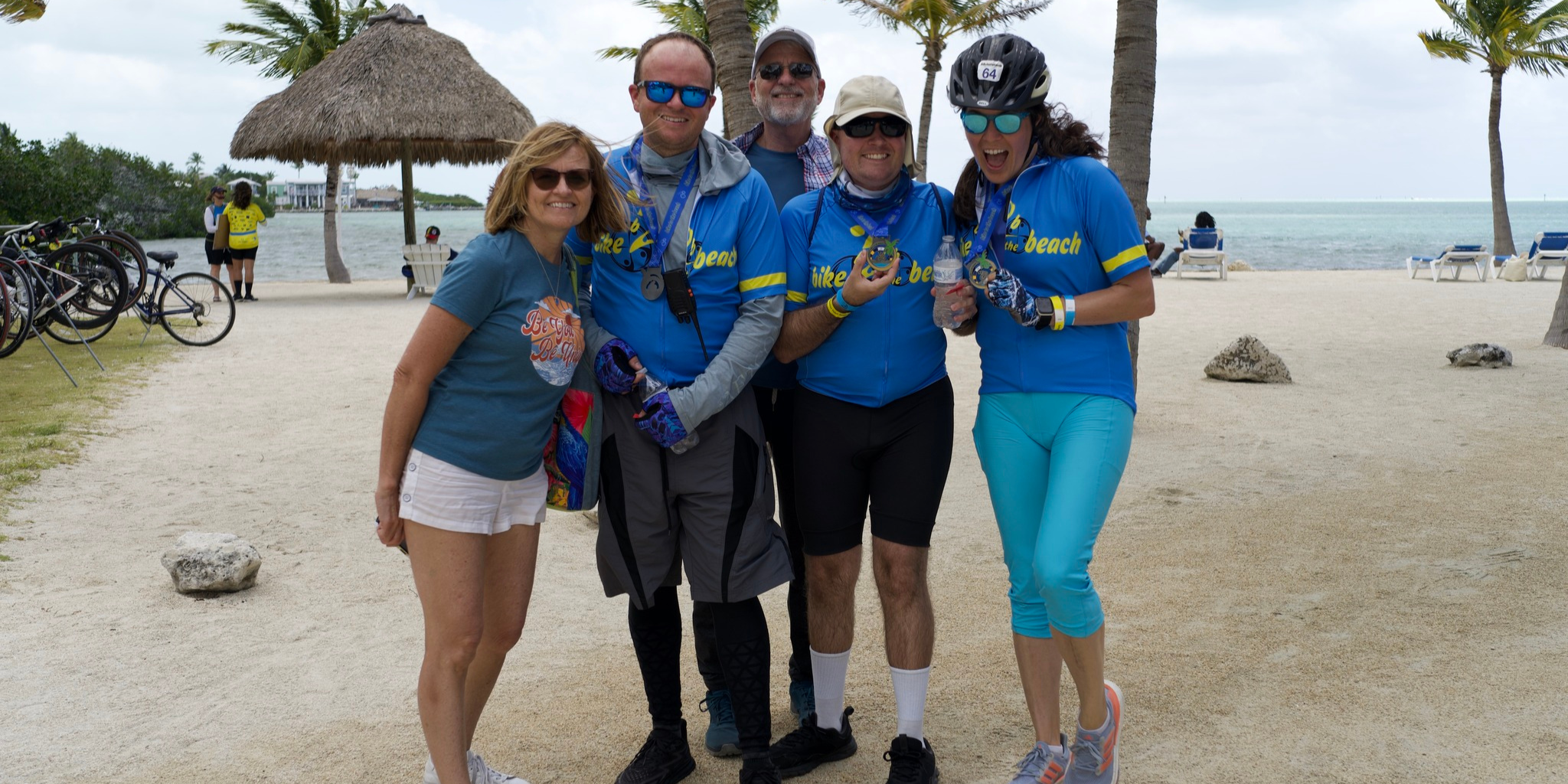
The Ultimate Guide to the Autism Bike Ride
Find out how to support an autism bike ride without cycling. Volunteer, fundraise, or cheer—your involvement makes a real difference in your community.

Want to support a great cause, but not sure you’re a cyclist? That’s more than okay—it’s essential. Every successful autism bike ride is powered by a whole team, and most of us aren’t on two wheels. We rely on cheerleaders, planners, and fundraisers to make ride day happen. Your unique skills and passion are just as important as a rider’s endurance. This guide is for you. We’ll show you all the high-impact ways you can contribute, proving you don’t need a bike to be a champion for our community.
Key Takeaways
- Make a direct impact in your community: Every contribution, from riding to donating, stays local to fund essential programs and build a stronger, more inclusive support network for families.
- You don’t need a bike to make a difference: You can play a vital part by volunteering on ride day, leading a fundraising campaign from home, or simply sharing our mission with your friends and family.
- Prepare young riders with patience and positivity: Help a child succeed by making the bike and gear familiar, practicing in calm environments, and using clear communication to build their confidence for ride day.
About the Bike to the Beach Autism Bike Ride
At its heart, Bike to the Beach is more than a charity bike ride; it’s a movement fueled by community, purpose, and the shared goal of making a tangible difference. We organize fully supported, scenic rides to raise funds and awareness for individuals with autism and other disabilities. Each event is a celebration of what we can achieve when we come together, combining a physical challenge with a powerful mission. Whether you’re an experienced cyclist, a first-time rider, or someone who wants to support the cause from the sidelines, our community welcomes you. It’s about channeling energy into action and creating a more inclusive world, one mile at a time.
Our History and Mission
Bike to the Beach was founded on a simple but powerful idea: local action creates local impact. We organize bike rides to raise money for local groups that help people with autism and other disabilities. Unlike fundraisers that send proceeds to a single national entity, the money raised from our bike rides stays in the community where the event happens. This model directly empowers local autism and disability organizations, giving them the resources they need to serve families in their own backyards. Our mission is to build stronger, more connected communities by providing a platform for people to support one another. You can learn more about why we bike and the personal stories that drive us forward.
2026 Event Schedule
Mark your calendars! We have an exciting lineup of rides planned for 2026, offering opportunities for communities across the East Coast to get involved. Each ride provides a unique experience, from the sunny roads of Florida to the iconic landscapes of the Northeast. Find the event that calls to you and get ready to pedal for a purpose. Here are the dates for our main bike ride events:
Florida: Saturday, March 28
Kick off the cycling season with our scenic ride through the Sunshine State. The Florida ride is a perfect way to pedal with purpose under sunny skies, bringing together a vibrant community dedicated to local impact and warm-weather fun.
New York: Saturday, October 3
Experience the energy of the region in a whole new way. Our New York ride offers an unforgettable journey that channels the area’s dynamism into powerful support for the local autism and disability community.
DMV (DC, Maryland, Virginia): Friday, June 19
Join our flagship ride from the nation’s capital to the beautiful shores of Dewey Beach. The DMV ride is a long-standing tradition that unites advocates, families, and cyclists in a powerful display of community and support.
New England: Saturday, September 19
Cycle through the stunning landscapes of New England as the seasons begin to change. The New England ride brings together communities from across the region for a day of camaraderie, challenge, and meaningful contribution.
Ride Options for All Levels
You don’t have to be a professional cyclist to join our cause. We believe that everyone should have the opportunity to participate, which is why our events are designed to be inclusive for all skill levels. It’s a fun way to challenge yourself physically while helping a good cause. We offer different ride lengths, from shorter 25-mile routes to a full 100-mile century ride. This flexibility allows you to choose a distance that feels right for you, whether you’re clipping in for the first time or you’re a seasoned rider looking for your next challenge. The journey is fully supported with rest stops, support vehicles, and a cheering community every step of the way.
Join Our Community Rides
When you join a Bike to the Beach ride, you’re doing more than just fundraising; you’re becoming part of a dedicated and passionate community. Your efforts directly help local organizations, and the experience itself is incredibly rewarding. It’s a chance to meet new people, make friends, and create lasting memories while supporting a meaningful cause. The energy on ride day is electric, filled with encouragement, shared stories, and a collective sense of accomplishment. This is where strangers become teammates and every pedal stroke contributes to a mission that is bigger than any single one of us. It’s a powerful reminder of what we can do when we work together.
Help Bring an Event to Your City
Is your community passionate about supporting individuals with autism and disabilities? We are always looking for new cities to host events, expanding the reach and impact of our mission. If you don’t see a ride in your area but believe your city would be a great fit, we want to hear from you. Bringing a Bike to the Beach event to your town is a fantastic way to mobilize local advocates, businesses, and families around a common goal. You can be the catalyst for creating a new tradition of support and community in your region. If you are interested in leading the charge, please contact us to start the conversation.
How Your Support Powers the Autism Bike Ride
When you see a group of cyclists pedaling toward the beach, you’re seeing more than just a bike ride. You’re witnessing a powerful movement of people dedicated to creating a more inclusive world for individuals with autism and other disabilities. Whether you’re on a bike, cheering from the sidelines, or donating from home, your support is the fuel that makes this journey possible. Every action, big or small, creates a ripple effect that strengthens families, funds essential programs, and builds a more understanding community for everyone.
Fund Vital Community Programs
One of the most impactful things about Bike to the Beach is that the funds raised stay right here, in our local communities. Instead of sending proceeds to a single national organization, we partner with local autism and disability nonprofits. This means your donation directly supports the service providers offering year-round programs to families in your area. When you support our mission, you’re helping a neighbor access therapy, providing a child with a summer camp experience, or giving a family a vital support network. It’s a tangible way to make a difference where it matters most: at home.
Our Local and National Partnerships
We know that making a difference is a team effort, which is why our entire model is built on collaboration. In each of our ride communities—from Florida and the D.C. area to New York and New England—we team up with incredible local autism and disability nonprofits. These organizations use the ride as their own fundraising event to support the essential services they provide year-round. We also work with dedicated corporate sponsors whose support helps make our events possible, allowing even more money to go directly to the communities we serve. By becoming a service provider partner, local organizations can connect with families and gain a powerful platform for their mission.
Help Build an Inclusive Community
A charity ride is about so much more than fundraising; it’s about belonging. Events like Bike to the Beach create a welcoming space where individuals with autism and their families can connect with others, build friendships, and participate fully in a fun, high-energy day. Outdoor activities and community gatherings foster vital connections and a powerful sense of inclusion. By showing up as a volunteer, a donor, or a cheerleader at one of our local rides, you help build a supportive environment where everyone is celebrated for who they are. It’s a beautiful example of community in action.
Champion Autism Acceptance and Advocacy
Every cyclist on the road and every sign held by a volunteer helps turn up the volume on autism awareness. The ride is a moving, visible statement of support that sparks conversations and changes perspectives. Each mile pedaled and every dollar raised helps us advocate for a more accepting and accommodating world. Your involvement sends a clear message that you stand with the 1 in 36 children diagnosed with autism. It’s a physical challenge that symbolizes a much larger commitment to making a real difference in the lives of people with autism and their families.
How to Help on Ride Day (No Bike Needed!)
You don’t need to own a bike or be a cyclist to make a huge impact at a Bike to the Beach ride. Our events are powered by a dedicated community of people who show up in all sorts of ways, and every single role is essential to creating a safe, supportive, and unforgettable experience for our riders and their families. The energy on ride day is incredible, and it comes just as much from the people on the sidelines as it does from the cyclists on the road.
Whether you have a few hours to spare or want to dedicate your whole day, there are meaningful ways to contribute that go far beyond pedaling. Your time and enthusiasm help us raise critical funds for local autism and disability partners and strengthen the bonds within our community. When you get involved, you become part of a movement that celebrates ability, fosters inclusion, and champions local change. Here are a few powerful ways you can join us on ride day, no bike required.
Volunteer for a High-Impact Role
Our volunteers are the backbone of every ride. From managing check-in stations to handing out water at rest stops, you’ll be on the front lines making sure every rider feels supported from start to finish. We have roles for every skill set and energy level, whether you’re great at organization, love motivating others, or just want to lend a hand where it’s needed most. By volunteering with us, you directly contribute to a safe and encouraging environment that allows cyclists of all abilities to achieve their goals. Your support helps create a space where every participant can thrive.
Bring the Energy to the Cheer Squad
Never underestimate the power of a good cheer. For a rider tackling a long-distance challenge, seeing a friendly face and hearing words of encouragement can make all the difference. Join a cheer squad along the route or at the finish line to offer high-fives, ring cowbells, and hold up motivational signs. For many, exploring new bike trails and environments is a big step, and your positive energy helps make that experience a joyful one. You’ll be providing the mental and emotional fuel that helps our riders push through the tough moments and cross the finish line with a smile.
Rally Behind a Rider
If you have a friend, family member, or colleague participating in a ride, you can be their personal support crew. This could mean helping them with their fundraising efforts before the event, driving their gear to the finish line, or simply being there to give them a huge hug when they finish. Including outdoor activities like biking in a routine is a great way to support overall well-being, and your encouragement helps make that possible. Knowing they have someone waiting for them is a powerful motivator and a wonderful way to share in their accomplishment. Your support reinforces the reasons why we bike.
Help with Our Family-Friendly Activities
The celebration doesn’t just happen on the bike route. Our finish line is a festival of accomplishment, and we need help making it a fun and welcoming place for everyone. You can help by running family-friendly games, assisting with kids’ craft stations, or directing people to food and entertainment. Much like exploring a nature trail, these activities give families a chance to engage with the outdoors in a calming and stimulating way while they wait for their riders. You’ll be helping create a joyful atmosphere where the entire community can celebrate together.
Create a Calming Sensory-Friendly Space
For some participants and their families, the noise and crowds of an event can be overwhelming. We are committed to making our rides inclusive, and that includes creating sensory-friendly spaces where people can take a break. You can help us set up and manage a quiet tent with comfortable seating and calming activities. These efforts are vital because outdoor activities should contribute to the broader goal of community inclusion for everyone. If your organization has experience in this area, consider becoming a service provider partner to help us make our events even more accessible.
Can’t Make It? You Can Still Make a Difference
The energy on ride day is incredible, but your impact doesn’t have to start or end at the finish line. There are so many ways to contribute to the Bike to the Beach community and support local autism and disability programs throughout the year. Whether you have five minutes to share a post or a few hours to help plan, you can play a meaningful role in creating a more inclusive world. It’s about showing up in the way that works for you, for a cause that connects us all.
Making a difference is about finding a role that fits your life and your passions. You might be a natural connector who loves sharing stories, a dedicated advocate within your workplace, or someone who wants to complete a personal challenge on your own terms. Every action, big or small, helps fuel our mission and provides essential resources for families in your community. From our rides in Florida to New York, every contribution strengthens the local network of support. If you’re looking for a way to get involved that goes beyond the bike, here are a few powerful ideas to get you started.
Start Your Own Fundraising Campaign
You don’t need to be a cyclist to be a fundraiser. Anyone can create a personal fundraising page to support our local nonprofit partners. This is a fantastic way to honor a loved one, celebrate a milestone, or simply rally your network around a cause you care about. You can start a campaign by yourself or team up with friends, family, or coworkers. We provide all the tools you need to share your story and explain why we bike, making it easy for you to inspire others to give. Every dollar you raise stays local, directly supporting programs in your region.
A Note on Fundraising Safety
It’s important to know that your hard work and your donors’ contributions are making a real difference. When you fundraise through the official Bike to the Beach platform, you can be confident that every donation is processed securely and channeled directly to our vetted local nonprofit partners. This is a core part of our promise: the money you raise stays in your community, supporting tangible programs like therapy services and family support networks. This model ensures your efforts have a transparent and powerful local impact, giving you and your donors peace of mind that you’re truly powering local change.
Spread the Word About the Autism Bike Ride
One of the most valuable things you can do is share the Bike to the Beach story. When you talk about our mission, you help build awareness and invite more people into our community. Tell your friends why this cause matters to you, post about an upcoming ride on social media, or share a story from The Bike to the Beach Blog. Your voice is a powerful tool for advocacy. By simply spreading the word, you help connect more families to resources, encourage more riders to sign up, and show the world what a truly inclusive community looks like.
Get Your Company Involved
Do you work for a company that is passionate about community involvement? Suggesting a corporate sponsorship is an incredible way to make a large-scale impact. Businesses can support our mission through financial contributions, in-kind donations, or by forming a corporate ride team. It’s a wonderful opportunity for companies to engage their employees, demonstrate their commitment to corporate social responsibility, and connect with the local community in a meaningful way. You can find all the information you need to start the conversation with your employer and become a sponsor.
Join as a Virtual Rider
If you can’t join us in person, you can still be part of the team as a virtual rider. This option lets you show your support from anywhere in the world. You set your own physical challenge, whether it’s biking in your neighborhood, running a 5K, or swimming laps, and fundraise on behalf of our community. It’s a flexible and powerful way to advocate for the autism and disability community on your own schedule. You’ll receive ride week tips and encouragement, connecting you with the energy of our New England ride and other events, no matter where you are.
Share Adaptive Biking Resources
Another way to create a more inclusive world is by sharing resources that help people of all abilities experience the joy of cycling. Many people aren’t aware of adaptive bicycles, which are specially designed to provide extra support and stability for riders with physical challenges. You can make a real difference by sharing information about organizations that provide adaptive equipment or connecting local families with inclusive cycling programs in your area. This simple act of sharing knowledge helps break down barriers, builds confidence, and ensures everyone has the chance to feel the freedom that comes with riding a bike.
Explore Other Types of Autism Bike Fundraisers
Thinking beyond established events can be another powerful way to contribute. An autism bike fundraiser doesn’t have to be a century ride; it can be whatever you and your community want it to be. Consider organizing a smaller, local bike-a-thon in your neighborhood park, a stationary bike challenge at your gym, or a family-friendly tricycle race for kids. The format is flexible, but the mission remains the same: bringing people together to support a great cause. These grassroots efforts are fantastic for building local awareness and showing that every person can make a difference. It’s all about channeling that collective energy, which is the very heart of why we bike in the first place. By creating your own event, you extend the spirit of community and advocacy right to your doorstep.
Helping a Child with Autism Prepare for the Ride
Preparing a child with autism for a big event like a Bike to the Beach ride is all about creating a positive, supportive, and predictable experience. The goal isn’t just to cross the finish line; it’s to build confidence, have fun, and make lasting memories together. Every child is unique, so the key is to adapt your approach to their specific needs, strengths, and pace. By breaking down the process into small, achievable steps, you can help your child feel ready and excited for ride day.
Think of this preparation as part of the journey. It’s a chance to connect, celebrate small victories, and show your child what they’re capable of. With patience, creativity, and a whole lot of encouragement, you can set them up for a successful and joyful experience on two wheels. The following tips can help you create a training plan that works for your family and gets everyone excited for the big day.
Start with the Bike and Safety Gear
Before the first pedal, make the bike and safety equipment familiar and fun. Let the bike live in a visible spot in your home so it becomes a normal part of the environment. When it’s time for gear, turn it into a positive experience. Let your child help pick out their own helmet and pads in their favorite colors to give them a sense of ownership and excitement. Frame the gear as their special “rider uniform” or superhero suit. Always make sure they wear a helmet, elbow pads, and knee pads, and practice putting them on and taking them off in a low-pressure setting, like while watching TV. The more comfortable they are with the gear, the less of a hurdle it will be when it’s time to ride.
Let Them Choose Their Own Gear
Giving your child a say in their equipment is a simple but powerful way to build their enthusiasm for the ride. When they get to pick out a helmet in their favorite color or pads with a cool design, that gear transforms from a mandatory safety item into a piece of their personal rider identity. This sense of ownership can make all the difference, especially if they are hesitant about wearing bulky or unfamiliar items. It helps them feel more in control and excited to suit up. You can even browse for official Bike to the Beach gear together, helping them feel like part of the team before the first pedal. The goal is to connect the gear with fun and pride, not pressure.
Build Confidence by Focusing on Balance
Riding a bike is all about balance. Before you even introduce pedals, focus on activities that build core strength and stability. A balance bike (a small bike without pedals) is an excellent tool that allows kids to learn how to steer and balance using their feet. You can also practice with scooters, skateboards, or even therapeutic balls to help build muscle tone and improve balance reactions. By mastering balance first, your child will feel more confident and in control when they eventually transition to a pedal bike. This step-by-step approach removes the pressure of doing everything at once and makes the learning process feel much more manageable.
Understanding Physical and Emotional Hurdles
It’s helpful to remember that learning to ride a bike involves more than just physical skill; it’s an emotional and cognitive challenge, too. For many children with autism, there can be specific hurdles to overcome. According to Autism Parenting Magazine, many children with autism can have trouble with balance, coordination, and motor skills. Difficulties with planning movements, steering, and pedaling are common. Beyond the physical, anxiety can make learning harder, and some children may have trouble understanding instructions or sensing danger. By understanding these potential challenges, you can approach teaching with extra patience and create a supportive environment that meets your child where they are, turning potential frustrations into opportunities for building trust and confidence.
Why You Should Skip Training Wheels
It might seem counterintuitive, but it’s best to skip the training wheels. They teach a child how to pedal, but they prevent them from learning the most crucial skill: balance. Instead, a balance bike is your best friend. As the name suggests, these bikes have no pedals, so kids push off the ground with their feet and glide. This approach is fantastic because it teaches balance first, which is the hardest part, without the distraction of pedaling. Once your child is confidently gliding and steering, transitioning to a pedal bike will be much smoother. When you do add pedals, a great tip is to label them with different colors to make instructions like “push with the blue foot” clear and simple.
Use Visuals and Clear Communication
When giving instructions, keep them simple, direct, and clear. Break down each skill into a single step and give one instruction at a time. Visual supports can be incredibly helpful. For example, place a green sticker on the right handlebar and a red one on the left to help with steering cues like, “Put your hand on green.” You can also create a simple visual schedule with pictures that shows the steps of getting ready to ride: 1. Put on helmet, 2. Get on bike, 3. Ride to the big tree, 4. Have a snack. This creates predictability and reduces anxiety by letting your child know exactly what to expect.
Try Color-Coded Pedals
One of the most effective strategies is to color-code the pedals. This simple trick uses visual cues to make the abstract concept of pedaling concrete and easy to follow. You can wrap one pedal in green tape and the other in blue, then give simple instructions like, “Push green, now push blue.” This transforms the learning process from a confusing motor challenge into a fun, color-matching game. Using these kinds of visual supports can significantly simplify how a child learns a new skill. By breaking down the motion into clear, predictable steps, you reduce frustration and help your child build confidence with every successful push, making them feel capable and excited to ride.
Practice in a Quiet, Familiar Place
Choose your practice location carefully. A quiet, familiar, and safe space is ideal. Start in a place with a soft surface, like a gently sloping grassy area in a park. A lawn is more forgiving than pavement if they fall, which can reduce fear and encourage them to keep trying. Avoid busy parks or trails with lots of people, noises, and distractions. The goal is to create a calm, low-stakes environment where your child can focus on learning without feeling overwhelmed by sensory input. Once they build confidence, you can gradually introduce new locations.
Offer Positive Reinforcement and Support
Your encouragement is the most important tool you have. Celebrate every single success, no matter how small. Did they put their helmet on without complaining? High-five! Did they balance for two seconds? Time for a happy dance! Positive reinforcement builds momentum and makes your child feel proud of their efforts. Focus on progress, not perfection. Learning to ride a bike does more than just teach a new skill; it builds self-esteem, coordination, and a sense of independence. Remind them of how far they’ve come and keep the experience light, fun, and full of praise.
Plan Ahead for Sensory Needs
A bike ride is a full sensory experience, from the feeling of the wind to the sounds of the neighborhood. For some children, this can be calming, while for others it might be overwhelming. Pay attention to your child’s sensory profile. If they are sensitive to noise, consider riding in a quiet nature area or trying noise-reducing headphones. If they enjoy deep pressure, a weighted vest or a big hug before you start can be helpful. On the other hand, the rhythmic motion of pedaling and the fresh air can be very regulating. Being outdoors in nature can help calm a child’s senses and provides a great outlet for energy.
Find Specialized Biking Resources
Remember, you don’t have to do this alone. There are amazing organizations that specialize in teaching children with disabilities how to ride a bike. Programs like the iCan Shine bike camps use adaptive equipment and a supportive, structured method to help individuals gain confidence and learn to ride independently. These camps have an incredible success rate and provide a community of peers and trained staff who understand your child’s needs. Looking into local adaptive sports programs or specialized physical therapy can also provide expert guidance and support on your family’s journey to the finish line.
Related Articles
- Your Guide to Autism Charity Bike Ride Registration
- How to Join a Charity Bike Ride for Autism
- Bike Ride for Autism Awareness: A Complete Guide
- Ride for a Cause: A Charity Cycling Event for Disabilities
Frequently Asked Questions
Do I have to be an expert cyclist to join a ride? Not at all. Bike to the Beach rides are designed for people of all skill levels, from first-time charity riders to seasoned cyclists. We offer different distance options to fit your comfort level, and our routes are fully supported with rest stops, food, and mechanical help. The focus is on community and participation, not speed, so you can ride at your own pace and enjoy the journey.
Where does the money I raise actually go? This is one of the best parts of our community model. All the funds you raise stay directly in the local area where the ride takes place. We partner with local autism and disability nonprofit organizations, so your efforts provide immediate support for programs and services that help families right in your own community.
I want to help, but I can’t be there on ride day. What are my options? There are so many ways to make an impact even if you can’t join us in person. You can sign up as a virtual rider and complete a physical challenge on your own time, start a personal fundraising campaign to rally support from your network, or simply help us spread the word on social media. Every action helps build awareness and support for our mission.
My child has autism and wants to ride. How can I best support them? Helping your child prepare is a wonderful way to build their confidence for ride day. We recommend starting slowly in a calm, familiar place and focusing on making the experience fun. Using visual supports to explain the steps, celebrating small achievements with lots of praise, and making sure their bike and safety gear are comfortable can make a huge difference. You can also connect with specialized programs that teach children of all abilities how to ride.
I’m not a cyclist. What’s the best way for me to get involved? We need a whole community to make ride day a success, and many of our most important roles don’t involve a bike. You can volunteer at a check-in station or rest stop, join a cheer squad to motivate riders along the route, or help with family-friendly activities at the finish line. Your energy and support are essential to creating the incredible atmosphere that defines our events.
Consider Alternative Bikes for Learning
The type of bike you choose can make a huge difference in the learning process. It’s common to think training wheels are the first step, but they actually teach pedaling without addressing the most important skill: balance. A better approach is to start with a balance bike, which has no pedals. This lets your child focus completely on balancing and steering while keeping their feet safely on the ground. Another great option is a tandem bike, which allows you to ride together. You can manage the steering and help with pedaling, making it a fun, low-pressure team activity. As child development experts note, these alternative bikes can be a game-changer for building confidence.
Consult with a Therapist
Remember, you are not on this journey alone. Your child’s occupational or physical therapist can be one of your best allies. Talk to them about incorporating bike-riding skills into therapy sessions; it’s a fantastic way to work on motor planning, balance, and coordination in a familiar setting. They can offer personalized strategies that fit your child’s specific needs and goals. While specialized bike camps are a wonderful resource, your child’s own therapist can provide consistent, one-on-one guidance. This expert support can provide the structure and encouragement needed to make learning to ride a positive and empowering experience for everyone.