

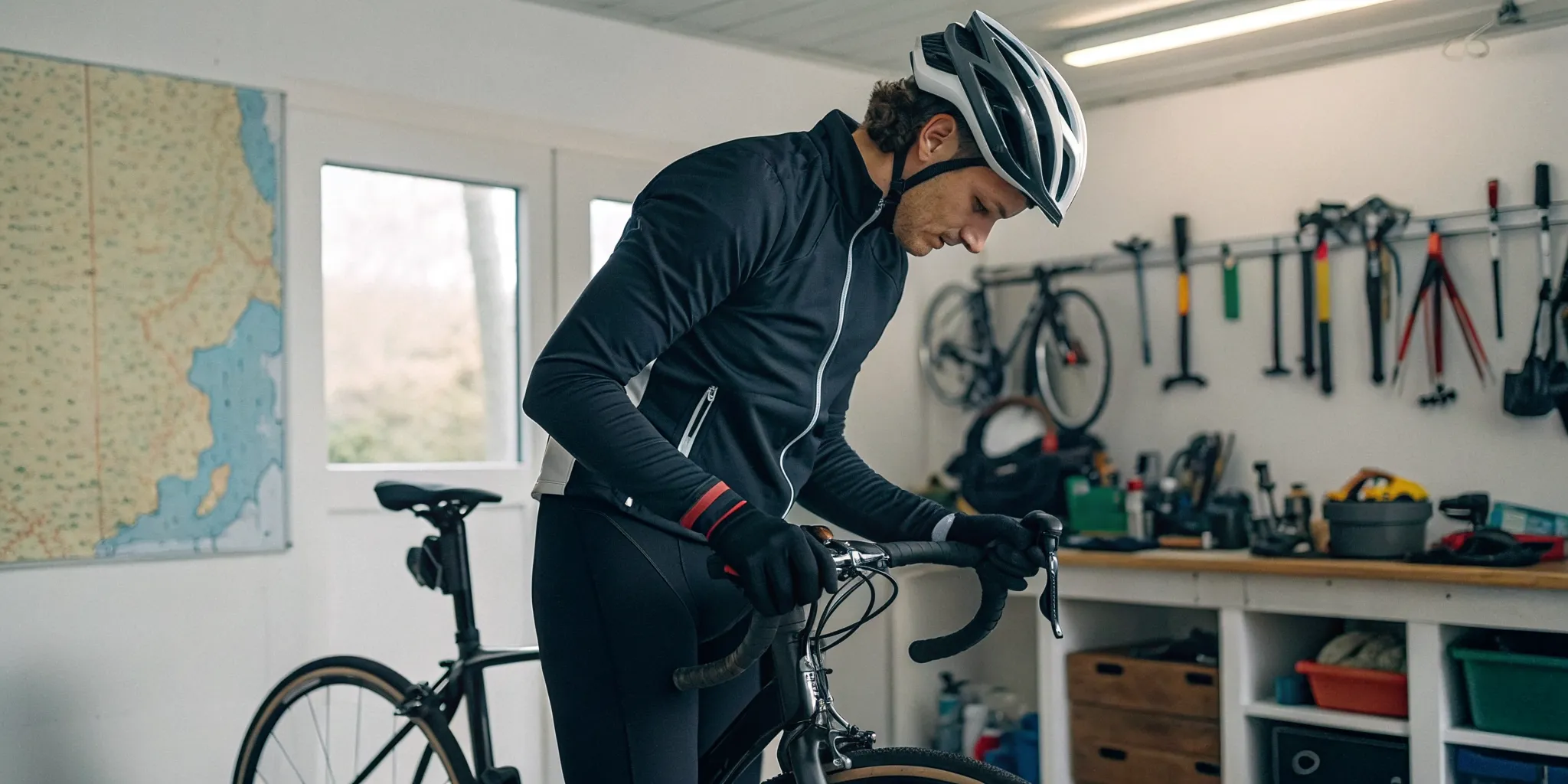
How to Prepare for a 100 Mile Bike Ride: Your Plan
Get practical tips to prepare for 100 mile bike ride success, including training plans, nutrition, gear, and recovery strategies for your best ride yet.

So, you’ve decided to ride 100 miles. That’s amazing! Now, you probably have some questions. How long does it take to train? What should I be eating? What gear do I actually need? You’re not alone, and we have the answers. This guide is designed to take the guesswork out of your preparation. We’ll provide a clear, actionable framework that shows you exactly how to prepare for 100 mile bike ride. From your first training ride to your post-ride recovery, we’ll cover all the essentials to ensure you arrive at the starting line feeling ready, capable, and inspired.
Key Takeaways
- Build your endurance with a consistent plan: Stick to a three-rides-a-week schedule and increase your total weekly mileage by just 10-15%. This gradual approach is the safest way to build strength and prevent injury.
- Dial in your nutrition before the main event: Use your long training rides to test what foods and drinks work for you. Aiming for 60-90 grams of carbs per hour will help you maintain steady energy from start to finish.
- Ride smarter, not harder, on event day: Start the ride at a comfortable, conversational pace to conserve energy for the final stretch. Use rest stops strategically to refuel, hydrate, and briefly stretch.
Your Game Plan for a 100-Mile Bike Ride
Taking on a 100-mile ride is a huge accomplishment, and it’s completely within your reach with a smart approach. It’s not about becoming a pro overnight; it’s about building your strength and confidence one pedal stroke at a time. The key is a consistent plan that works for your body and your schedule. A great starting point is to give yourself about 8 to 12 weeks to prepare. This gives you enough time to build endurance without rushing.
Your training week should include three to four rides. Think of it this way: one long, steady ride each week to build distance, one or two shorter, faster-paced rides to build strength, and a gentle recovery ride to keep your legs moving. This mix helps your body adapt and get stronger. To build up your mileage safely, aim to increase your total weekly distance by about 10-15%. This gradual approach is the best way to prevent injuries and burnout.
As your rides get longer, practicing your nutrition becomes just as important as pedaling. Start experimenting with what you eat and drink on the bike, aiming for 60 to 90 grams of carbohydrates per hour to keep your energy steady. You can find more detailed guidance in a century ride training plan to help structure your weeks. Remember, rest is a critical part of your training. Plan for one or two rest days each week to let your muscles recover and rebuild. In the final week or two before your big ride, you’ll want to “taper,” which just means cutting back on your mileage. This ensures you arrive at the starting line for your Bike to the Beach ride feeling fresh, strong, and ready to go the distance.
How Long Do You Need to Train for a Century?
Riding 100 miles might sound like a huge challenge, but it’s an incredibly achievable goal with the right plan. So, how long does it take to get ready? Most cyclists need between 8 and 16 weeks to prepare for a century ride. For those new to long-distance cycling, a 12-week plan is a great sweet spot. It gives you enough time to build strength and endurance safely without feeling rushed.
This timeline isn’t about becoming a professional cyclist overnight. It’s about steady, consistent progress that prepares your body and mind for an amazing day on the road. Think of it as a journey where each week, you get a little stronger and more confident. Whether you’re joining our New England ride or one of our other scenic routes, a structured plan will help you cross the finish line with a smile. The key is to start where you are and build from there, one pedal stroke at a time.
Your 8 to 16-Week Training Timeline
A 12-week training plan provides a clear and effective roadmap to get you ready for ride day. It’s designed to build your fitness gradually, helping you avoid burnout and injury. The plan is typically broken down into four distinct phases, each with a specific focus to get you closer to your 100-mile goal.
Here’s what a typical timeline looks like:
- Weeks 1-4 (Build Your Base): The goal here is consistency. Focus on riding three to four times a week. Your weekly long ride should start around 20-30 miles as you build foundational stamina.
- Weeks 5-8 (Increase Distance): Now it’s time to add mileage. Gradually increase the length of your long ride by about 10-15% each week, working your way up to rides of 50-70 miles.
- Weeks 9-11 (Peak Training): This is where you’ll tackle your longest training rides, peaking around 80-90 miles. It’s also the perfect time to practice your nutrition and hydration strategy for the main event.
- Week 12 (Taper and Rest): In the final week, you’ll reduce your mileage significantly. This allows your body to rest, recover, and store up energy so you feel fresh and strong at the starting line.
Structuring Your Training Week
Consistency is more important than intensity, especially when you’re just starting out. A simple and effective way to structure your training is to plan for three rides each week. This approach helps you build endurance without overtaxing your body, giving you plenty of time for recovery. Aim to schedule one long, steady ride on the weekend and two shorter rides during the week.
Treat these rides like important appointments. Putting them on your calendar makes it easier to stick to the plan, even when life gets busy. The shorter mid-week rides keep your legs moving and maintain your fitness, while the weekend ride is your chance to build the endurance you’ll need for the century. This balanced schedule is the foundation of a successful training plan and helps connect your effort to why we bike in the first place.
How to Build Your Base Fitness
Building a solid fitness base is the first and most important step in your century training. It all starts with where you are right now. Don’t worry about what others are doing; just focus on your own progress. The key is to increase your training volume gradually. A good rule of thumb is to increase your total weekly mileage by no more than 10-15%. This slow and steady approach helps your body adapt and significantly reduces your risk of injury.
As you get more comfortable on the bike, you can add a third training day to your week and slowly extend the distance of your weekend rides. Your body will tell you what it needs, so listen to it. Some days you’ll feel strong, and other days you’ll need more rest. Both are essential parts of the process. For more tips on getting started, check out the resources on our Bike to the Beach blog.
Creating Your Century Ride Training Plan
A 100-mile ride is a huge accomplishment, and a structured plan is your roadmap to the finish line. By breaking it down into manageable weekly goals, you can build the strength and confidence to pedal every mile. This is about consistent, smart effort, not about being a pro cyclist overnight. Let’s build a plan that gets you there feeling strong and prepared.
The 3-Rides-a-Week Framework
Consistency is your best friend when training for a big ride. The most effective approach is the three-rides-a-week framework, which perfectly balances work and recovery. Plan for two shorter rides during the week and one long, endurance-building ride on the weekend. This schedule allows your body to adapt and get stronger without leading to burnout. It’s a realistic structure that fits into a busy life while ensuring you’re making real progress toward your goal. Every ride has a purpose, preparing you for an amazing and memorable event day.
Nailing Your Weekly Long Ride (Building to 70-80 Miles)
Your weekend long ride is the cornerstone of your training, building the physical and mental endurance to go the distance. Start with a mileage that feels challenging but doable, and gradually add more each week. Your goal is to comfortably complete a 70 to 80-mile ride a week or two before the event. Hitting this milestone is a huge confidence boost, proving you have what it takes to go all the way. Remember, our New England ride and other routes are fully supported, so our team is with you every pedal stroke of the way.
Balancing Interval Training and Recovery Rides
Your two weekday rides are all about quality over quantity. Dedicate one of these rides to interval training by alternating between short bursts of high-intensity effort and easier pedaling. Intervals are fantastic for building power in your legs and improving your overall speed. Your other weekday ride should be a recovery ride: think easy, gentle spinning to keep your muscles loose and help them repair. This smart balance of intensity and recovery is what makes you a stronger, more efficient cyclist and ensures you’re ready for your long weekend ride.
Using Progressive Overload to Get Stronger
To get stronger without hitting a plateau or risking injury, you’ll use a principle called progressive overload. It sounds technical, but it’s simple: gradually increase your total weekly mileage by about 10-15%. This small, consistent increase challenges your body just enough to adapt and improve. If you ride a total of 40 miles one week, you’ll aim for around 45 the next. This steady progression is the safest and most effective way to build endurance. It’s the same kind of steady determination that fuels our mission and reminds us why we bike in the first place.
How to Safely Build Your Endurance
Training for a century ride is a marathon, not a sprint. The key to crossing the finish line strong and with a smile is building your endurance safely and sustainably. It’s not about pushing yourself to the brink every day. Instead, it’s about smart, consistent training that allows your body to adapt and grow stronger. Let’s get into the three core principles for building endurance the right way.
Follow the 10-15% Weekly Mileage Increase
The golden rule for building endurance without burning out is to increase your total weekly mileage gradually. A smart and safe approach is to follow the 10-15% rule. Each week, aim to increase your total distance by no more than 10-15% from the week before. This steady progression gives your muscles, joints, and cardiovascular system time to adapt to the new demands you’re placing on them. This method helps you avoid common overuse injuries that can derail your century ride training. As part of this plan, your weekly long ride will eventually build up to about 70-80 miles before you begin to taper for the event.
Plan Step-Back Weeks for Recovery
Rest is not a four-letter word; it’s a critical part of your training plan. Your body doesn’t get stronger during your rides, it gets stronger while it recovers from them. That’s why you need to schedule “step-back” weeks every three to four weeks. During a step-back week, you’ll reduce your total mileage to give your body a chance to fully repair and absorb all your hard work. In addition to these lighter weeks, make sure you’re taking one or two full rest days every week. Always listen to your body; if you feel overly tired or sore, don’t be afraid to take an extra day off. Smart recovery is what turns effort into strength.
Why and How to Taper Before Your Ride
In the final two weeks before your Bike to the Beach ride, you’ll actually train less. This is called tapering, and it’s one of the most important parts of your preparation. It might feel strange to ease up when the big day is so close, but this is how you ensure you arrive at the starting line feeling fresh, energized, and ready to go. Tapering allows your body to fully recover from your hardest training weeks and top off its energy stores. During this period, you’ll significantly reduce the length and intensity of your rides. This isn’t time off, it’s a strategic rest that will have you feeling powerful and prepared for all 100 miles.
Fueling Your Ride: What to Eat and Drink
Think of your body as the engine that will power you to the beach. Just like a car, it needs the right kind and amount of fuel to perform its best from the starting line to the finish. Dialing in your nutrition and hydration isn’t just for elite athletes; it’s the key to having a strong, enjoyable, and successful century ride. A smart fueling plan prevents the dreaded “bonk” (a sudden drop in energy) and keeps you feeling good in the saddle for all 100 miles. Getting this part right means you can spend less time worrying about hitting a wall and more time enjoying the scenery, the camaraderie, and the incredible feeling of riding for a purpose. Let’s break down what to eat and drink before, during, and after your ride so you can focus on the journey and the amazing community you’re supporting.
Your Pre-Ride Fueling Strategy
What you eat on the morning of your ride sets the foundation for your entire day. Aim to have a medium-sized, balanced breakfast about two to three hours before you start pedaling. This gives your body time to digest. Focus on a mix of complex carbohydrates for sustained energy, some protein to keep you full, and a little healthy fat. Great options include oatmeal with fruit and nuts, eggs with whole-wheat toast, or a smoothie with yogurt and a banana. Pro tip: lay out your breakfast ingredients the night before. It’s one less thing to think about on ride day morning!
Fueling on the Bike (60-90g Carbs/Hour)
Once you’re on the road, your goal is to consistently replenish the energy you’re burning. Think of it as topping off your fuel tank before it gets low. For a long ride, a good target is to consume 60 to 90 grams of carbohydrates every hour. This might sound like a lot, but you can get there with a combination of energy gels, chews, or bars. If you prefer real food, bananas, small sandwiches, or dried fruit are excellent choices. The key is to eat small amounts frequently, like every 30-45 minutes, rather than waiting until you feel hungry. This steady intake keeps your energy levels stable for the long haul.
Staying Hydrated (500-750ml/Hour)
Hydration is just as important as food. Even slight dehydration can lead to fatigue and cramps, so it’s crucial to drink consistently from the start. A good rule of thumb is to drink about one standard water bottle (500-750ml) per hour. You may need more if it’s hot or humid, so pay attention to how you feel. It’s also a great idea to alternate between plain water and a drink with electrolytes, which helps replace the essential minerals you lose through sweat. You can carry your drinks in bike-mounted water bottles to make sipping on the go easy and efficient.
Practice Your Nutrition Plan on Training Rides
The golden rule of event day nutrition is: nothing new on race day. Your long training rides are the perfect opportunity to be your own science experiment. Test out different foods, gels, and drinks to see what your stomach can handle and what gives you the best energy. Figure out a schedule that works for you. Do you prefer a gel every 45 minutes or a few bites of a bar every 30? Practicing your fueling strategy helps you build a routine, so when you get to your Bike to the Beach ride, your nutrition plan is second nature. This preparation builds confidence and helps you avoid any unwelcome surprises.
What to Eat for Post-Ride Recovery
You did it! After you cross that finish line, your work isn’t quite over. Giving your body the right nutrients helps your muscles repair and recover, so you feel great afterward. The most important window for recovery is within 30 to 60 minutes of finishing your ride. Your body is primed to absorb nutrients and start the rebuilding process. Aim for a snack or meal that contains both protein and carbohydrates. A protein shake, chocolate milk, Greek yogurt with fruit, or a turkey sandwich are all fantastic options to kickstart your recovery and celebrate a ride well done.
Gearing Up: Your Century Ride Checklist
Having the right gear isn’t about having the most expensive equipment. It’s about setting yourself up for a safe, comfortable, and successful ride. When you’re not thinking about saddle sores or numb hands, you can focus on the experience, the community, and the reason why we bike. Think of your gear as your support system on two wheels. A few smart choices can make all the difference between struggling through the final miles and crossing the finish line with a huge smile. Here’s a checklist of the essentials to get you ready.
Why You Need a Professional Bike Fit
A professional bike fit is one of the best investments you can make in your training. It’s not just for elite cyclists; it’s for anyone who wants to ride comfortably and prevent injuries. During a fit, a specialist will adjust your bike to match your body’s unique mechanics, dialing in everything from your saddle height to your handlebar position. A proper bike fit is crucial for comfort and efficiency on long rides. It can help prevent common issues like knee pain, lower back aches, and numb hands, allowing you to put in the training hours and truly enjoy the ride day.
Essential Apparel for Comfort and Performance
What you wear has a huge impact on how you feel after hours in the saddle. Start with a quality pair of padded cycling shorts or bibs. Bib shorts are a great choice for long distances because they stay in place and provide consistent comfort. Next, a moisture-wicking jersey will pull sweat away from your skin to keep you dry and cool. Don’t forget cycling gloves to absorb road vibrations and protect your hands. Finally, a good pair of moisture-wicking socks will help prevent blisters. You can find great options at the Bike to the Beach shop to show your support while you ride.
Your On-the-Go Repair Kit
While Bike to the Beach rides are fully supported, knowing how to handle a minor mechanical issue builds major confidence. Your on-the-go repair kit is your personal roadside assistance. Always carry a small saddle bag with the essentials: a spare tube, tire levers (to help get the tire off the rim), a multi-tool for small adjustments, and a compact pump or CO2 inflator to get your tire back up to pressure. Learning how to fix a flat tire is a fundamental cycling skill that will serve you well on any ride, giving you the peace of mind to tackle any distance.
Gear for Fueling and Hydration
To execute your nutrition plan, you need a simple way to carry your fuel and fluids. Your bike should have at least two water bottle cages. For a century ride, bring two large water bottles, starting with one filled with water and the other with an electrolyte drink mix. To carry your snacks, you can use the pockets on the back of your cycling jersey. For easier access, consider a small top-tube bag (often called a “bento box”) that sits right behind your handlebars. This makes it easy to grab energy gels, chews, or bars without stopping, helping you stay on top of your cycling nutrition strategy throughout the ride.
Common Century Ride Mistakes (And How to Avoid Them)
Riding 100 miles is a huge accomplishment. While common pitfalls can trip up even seasoned cyclists, they are all avoidable with planning. Use your training rides to practice your strategy and dial in your approach. Learning from these mistakes ahead of time ensures you cross the finish line feeling strong and ready to celebrate with the community.
Pacing and Energy Management Pitfalls
The energy at the starting line is electric, but going out too fast is the quickest way to burn out. A century ride is a marathon, not a sprint. You can’t ride at an all-out pace from the start and expect to have anything left later. Start conservatively, riding the first 25 miles at a comfortable, conversational pace. This warms up your body and conserves precious energy for the final miles.
Nutrition and Hydration Fails
Proper fueling begins days before the event. You want to start with your energy stores fully topped up. On the bike, don’t wait until you feel hungry or thirsty to refuel. By then, you’re already behind. Eat and drink small amounts consistently from the first hour. Our fully supported rides have stocked rest stops, so you can focus on your ride. Practice your fueling on long training rides to see what works for you.
Equipment and Preparation Oversights
The golden rule for any big ride is nothing new on event day. This applies to everything from your shorts and shoes to your nutrition. A brand-new saddle might feel fine for 10 miles but could become a major issue by mile 50. Use your long training days as a full dress rehearsal. Wear your planned kit and consume the same food and drinks to solve any potential issues before they can derail your big day.
Last-Minute Changes to Skip
In the final week, trust your training. Avoid cramming in one last massive ride or making significant changes to your bike setup. Your body needs this time to rest and recover. A last-minute adjustment can introduce new aches and pains. Have confidence in your preparation. If your training plan got you through a 70 or 80-mile ride, you have what it takes to go the full 100. Trust the process and get excited for the finish line.
Your Pre-Ride Bike Maintenance Checklist
You’ve put in the miles and dedicated yourself to training. The final piece of the puzzle is making sure your bike is just as ready as you are. A well-maintained bike isn’t just about performance; it’s about safety for you and everyone else on the road. Think of bike maintenance as part of your training. It ensures all your hard work pays off with a smooth, safe, and enjoyable ride to the beach.
Before you head out for any long ride, especially your big Bike to the Beach event, a thorough check is essential. Getting familiar with your bike builds confidence and helps you spot small issues before they become big problems. This checklist will walk you through what to look for, from quick pre-ride safety checks to knowing when it’s time to call in a professional. Let’s make sure your equipment is ready to go the distance.
The Essential Pre-Ride Safety Check
Before every single ride, take two minutes to run through a quick safety check. This simple habit can prevent mechanical issues and keep you safe on the road. A great way to remember the steps is the “ABC Quick Check”:
- A is for Air: Check your tire pressure. Your tires will have the recommended PSI (pounds per square inch) printed on the sidewall. Properly inflated tires help prevent flats and make for a much smoother ride.
- B is for Brakes: Squeeze your front and rear brake levers to make sure they feel firm and engage properly. The brake pads should hit the wheel rim squarely, not the tire.
- C is for Chain: Look at your chain. Is it clean and lightly lubricated? A dry, gritty chain makes pedaling harder and wears out your components faster.
Key Components for a Tune-Up
While the ABC check is great for daily maintenance, your bike deserves a more thorough tune-up before a century ride. We recommend getting this done at least a week or two before your event. This gives you time to take a few short rides and ensure any new adjustments feel right. A good tune-up focuses on making sure your bike is running efficiently and safely. It should include checking your brakes for wear, adjusting your gears for crisp shifting, and making sure your tires are in good shape and properly inflated. A professional tune-up will also cover checking all nuts and bolts to ensure everything is secure.
When to See a Bike Mechanic
It’s great to learn basic bike maintenance, but it’s also important to know when to call in an expert. If you notice any unusual sounds, like grinding or clicking, or if something just doesn’t feel right during your pre-ride check, it’s best to consult a bike mechanic. They have the tools and expertise to handle more complex issues like truing a wobbly wheel or making precise brake and gear adjustments. Think of your local bike shop as part of your support team. Investing in a professional service is an investment in your safety and peace of mind, letting you focus on the finish line and the community you’re riding for.
Your Race Day Strategy
You’ve put in the miles, followed your training plan, and now the big day is here. This is where all your hard work pays off. A great century ride isn’t just about fitness; it’s about having a smart strategy. Think of it as your game plan for crossing that finish line with a huge smile. Let’s walk through how to manage your pace, energy, and mindset from the first pedal stroke to the last.
How to Pace Your Ride from Start to Finish
It’s easy to get swept up in the excitement at the starting line, but a successful century ride is a marathon, not a sprint. As experienced riders know, you can’t ride at an all-out pace from the very start. The key is to begin conservatively. Aim for a pace where you can comfortably hold a conversation. This keeps your heart rate in a sustainable zone and prevents you from burning through your energy stores in the first 25 miles. Think about finishing strong, not starting fast. Remember, this is a journey to a beautiful beach destination, like our New England ride. Enjoy the scenery, connect with fellow cyclists, and save your power for when you really need it in the final stretch.
Conserving Energy for the Long Haul
Every bit of energy you save early on will pay off later. Beyond pacing, think about riding efficiently. If you’re riding with others, take turns drafting, which means riding closely behind another cyclist to reduce wind resistance. This simple act can save you up to 30% of your energy. Also, focus on a smooth, consistent pedal stroke. Avoid mashing the pedals and instead try to spin in circles. And while it might be tempting to lighten your load, remember that one of the biggest gambles is trying to minimize weight by reducing the amount of water you carry. Staying hydrated is critical for performance. These small adjustments add up, allowing you to put more energy toward the reason we ride.
Mental Tricks to Keep You Pedaling
A 100-mile ride is as much a mental challenge as it is a physical one. When your legs start to feel heavy, your mind is your strongest muscle. Instead of focusing on the total distance, break it down into smaller, more achievable goals. Just focus on getting to the next rest stop. Celebrate that small victory, then focus on the next one. Remind yourself of your training and your strength. A great mantra to keep in your back pocket is, “If you can do 80, you can do 100.” You are more capable than you think. Draw strength from the incredible community around you and remember the purpose behind every pedal stroke. Your effort is making a real difference.
How to Use Rest Stops Effectively
Our rest stops are more than just a place to catch your breath; they are your strategic pit stops for refueling and resetting. Use them wisely, and don’t leave an aid station without doing a quick self-check. Each time you stop, run through a mental checklist:
- Refill your water bottles and grab a snack.
- Use the restroom.
- Do a few gentle stretches for your back, neck, and legs.
- Quickly check your bike’s tire pressure.
- Assess how your body is feeling.
Bike to the Beach rides are fully supported by amazing volunteers, so take advantage of the resources available. Just be careful not to linger too long. A 5-to-10-minute stop is usually perfect for getting what you need without letting your muscles get cold and stiff.
Related Articles
- How to Crush Your First 100 Mile Bike Ride
- Your Guide to the Best Century Rides of 2026
- Your 7-Week Training Plan for a 50 Mile Bike Ride
Frequently Asked Questions
Do I really need to ride 100 miles in training before the event? Not at all! This is one of the biggest myths in century training. Your goal is to build the endurance to complete the distance on event day, not before. Your longest training ride should peak around 70 to 80 miles a week or two before the event. This proves you have the stamina, and the final “taper” week of rest will give you the fresh legs and energy to conquer the full 100 miles with the support of the community.
What’s the single most important part of my training plan? Consistency is everything. More than any single workout, your success comes from sticking to a regular schedule. The cornerstone of that schedule is your weekly long, steady ride. This is where you build the physical and mental endurance needed for the big day. If you can consistently get that one long ride in each week, gradually increasing the distance, you are setting yourself up for a fantastic and successful event.
I’m nervous about getting a flat tire. What happens if my bike has a problem? That’s a totally normal concern, but you can put it out of your mind. All Bike to the Beach rides are fully supported, which means we have your back. We have support vehicles and mechanics along the entire route to help with flat tires, mechanical issues, or anything else that comes up. While it’s a great idea to carry a basic repair kit and know how to use it, you will never be left stranded.
How do I know if I’m eating and drinking enough during the ride? The key is to stay ahead of your hunger and thirst. Don’t wait until you feel your energy dip to start fueling. A great rule is to take a few sips from your water bottle every 15 minutes and eat a small snack, like a handful of chews or half an energy bar, every 45 minutes, right from the first hour. Practicing this on your long training rides will help you find a rhythm that works for you, so it feels like second nature on event day.
What if I’m a slower rider? Will I get left behind? Absolutely not. Bike to the Beach is a ride, not a race, and our community is built on support and encouragement. You’ll find cyclists of all paces and experience levels out on the course. Our support teams and volunteers are there from the first rider to the last. The goal is to complete the journey and celebrate at the finish line, and we are there to make sure every single person gets there safely.