
Nonprofit Donor Acquisition Strategies Guide
Learn nonprofit donor acquisition strategies that build first-touch trust through events, peer networks, storytelling, partnerships, and respectful follow-up.
A first-time supporter does not need a perfect understanding of your nonprofit to take part. They need a clear reason to care, evidence that your work is real, and a first action that feels welcoming rather than pressured. That is why acquisition begins with trust, not a request for long-term commitment.
Explore Bike to the Beach community opportunities
Effective nonprofit donor acquisition strategies help a new supporter move from awareness to one meaningful first action. That action could be joining a community event, volunteering, participating virtually, or making a first gift. The goal is to make the mission tangible, explain where support goes, and create a respectful next step. Donor retention and stewardship come later, after that first connection has been earned.
For Bike to the Beach, that connection can grow through cycling, fitness, charitable giving, and local autism and disability impact. Start by defining what a strong first-touch experience should accomplish, then build each invitation around clarity, belonging, and credible proof.
What Nonprofit Donor Acquisition Strategies Should Accomplish
Nonprofit donor acquisition strategies are the ways an organization earns a first meaningful action from someone who does not yet have an established relationship with it. That action might be a first gift, event registration, volunteer sign-up, email subscription, or another clear expression of interest. The goal is not simply to collect contact details. It is to make the mission understandable, give people a reason to trust the organization, and offer a next step that feels relevant to their interests and capacity.
Acquisition is different from retention and stewardship. Acquisition creates the first connection. Retention gives a supporter reasons to stay involved, while stewardship maintains that relationship through accurate communication, appreciation, and visible accountability. These stages support one another, but an organization should not ask a first-time visitor to navigate the entire donor journey before making one accessible first move.
Build trust before asking for commitment
A strong first touch answers practical questions quickly: What does the organization do? Who benefits? How can this person participate? What will happen next? Clear language, specific impact examples, and an honest explanation of the action reduce uncertainty. For a community-based nonprofit, relevance may come through a local event, a shared interest, a personal connection, or an accessible way to participate from a distance.
Bike to the Beach offers one example of this connection by combining cycling, fitness, and charitable giving through multi-regional community rides. Its stated mission also includes raising funds and awareness for local autism and disability organizations, with participant fundraising directed to regional partners. That connection between participation and local impact gives a prospective supporter context for deciding whether the organization fits their values.
- Trust: show who is involved and substantiate the impact being described.
- Clarity: explain the mission and the first action in plain language.
- Relevance: connect the invitation to a person’s interests, community, or lived experience.
- Low friction: make the next step simple, accessible, and proportionate to a first interaction.
When these elements work together, acquisition becomes an invitation to participate rather than pressure to give. That distinction keeps the first touch focused and creates a stronger foundation for responsible follow-up later.
Build a Community-First Donor Journey in Five Steps
Strong acquisition journeys give people more than one way to encounter the mission. They make the first step feel relevant, welcoming, and clear, then create a natural path toward deeper participation. Bike to the Beach uses regional events, volunteering, virtual participation, and casual gateway experiences as community entry points. These options help supporters choose an action that fits their interests and circumstances.
- Discover. Meet potential supporters where their existing interests already live. Share useful stories, local impact updates, event invitations, and accessible ways to participate through community groups, social channels, workplaces, and personal networks. The goal is to help someone recognize a genuine connection before asking for a gift.
- Connect. Offer a low-pressure next conversation or action. Invite a person to learn about the mission, attend an information session, volunteer, or speak with a participant. Explain who benefits, how the organization works, and what a supporter can expect. Clear information builds trust without treating every new contact like a prospect in a sales funnel.
- Participate. Make the first meaningful action achievable. That might be joining a regional ride, choosing a virtual option, volunteering, or making a first gift. Provide simple instructions, accessible options, fundraising resources, webinars, and team support so a new participant does not have to figure out the process alone. A thoughtful peer-to-peer fundraising strategy can turn participation into a shared experience rather than an isolated request.
- Invite. Give participants a respectful way to bring in people they already know. Supply plain-language messages, shareable stories, and context for the ask, while allowing supporters to use their own voice. Personal invitations work best when they explain the purpose of the action and leave room for someone to decline or choose another form of involvement.
- Follow up. Confirm what happened, thank the person for taking part, and provide one useful next update. Keep records accurate and use permission-based communication across appropriate channels. Follow-up should reinforce the connection made during acquisition, not immediately pressure a new supporter into a larger or recurring commitment.
Why Community Events Create Stronger First Touches
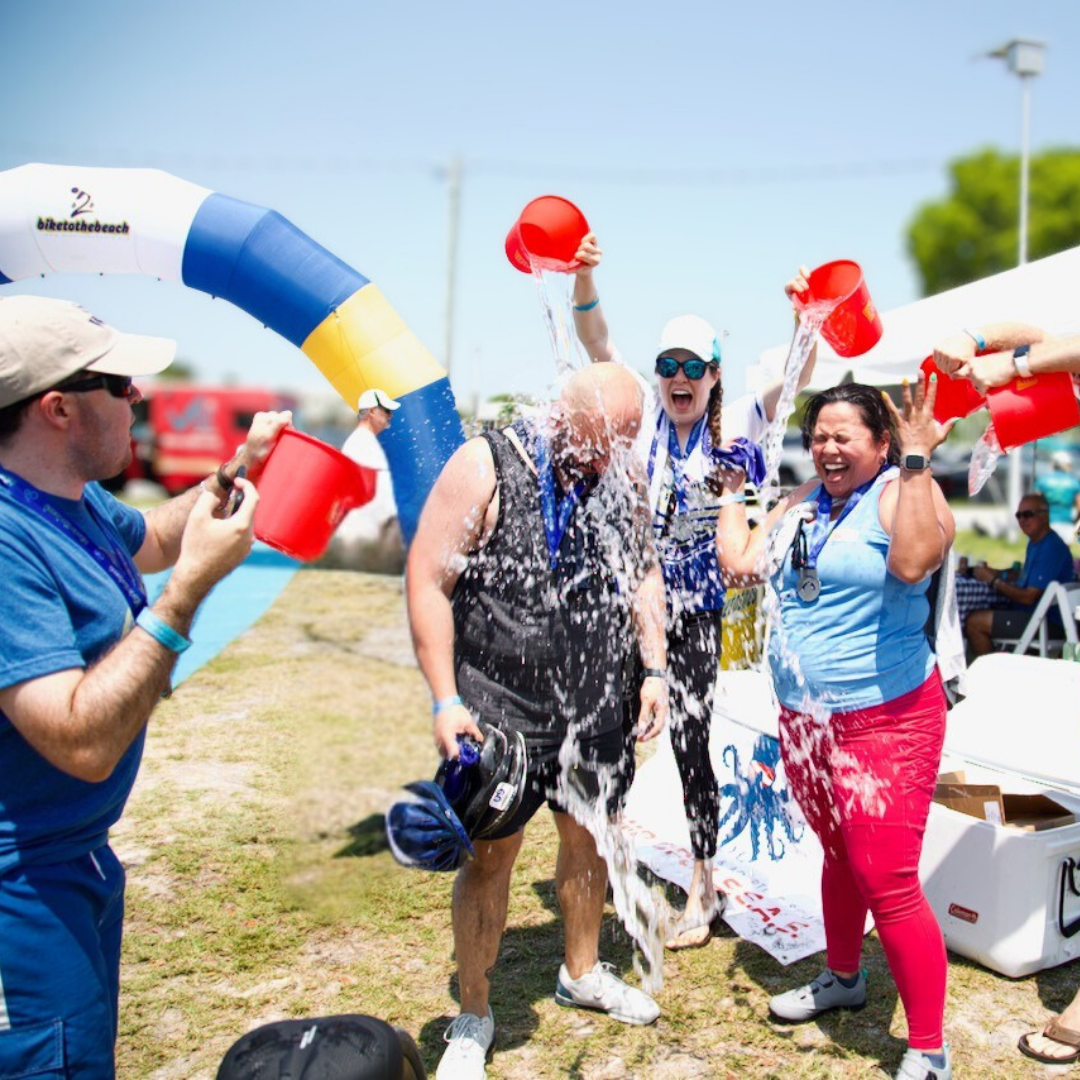
A community event gives a prospective supporter a way to experience the mission before being asked to make a significant commitment. They can meet participants, ask questions, see how the event works, and choose an entry point that fits their interests. That shared experience makes the first conversation feel like an invitation rather than a transaction.
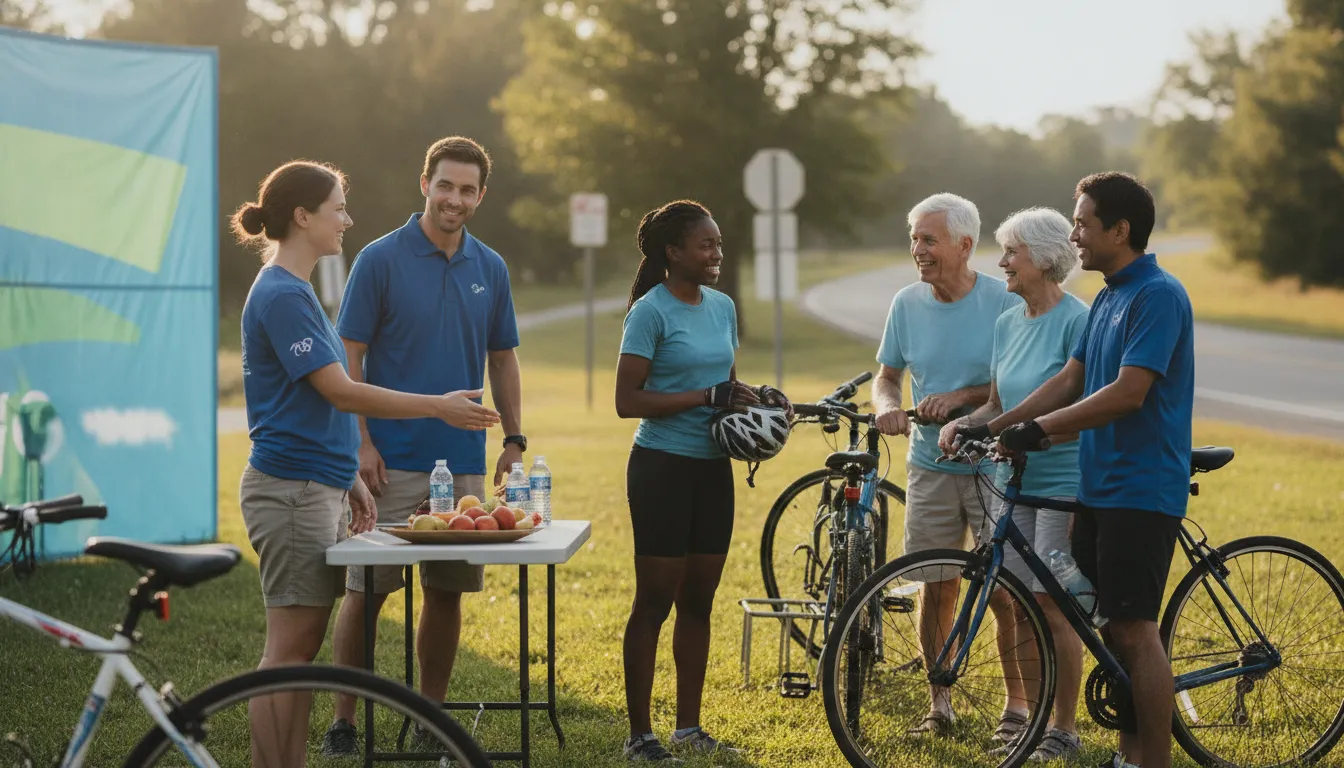
For a mission-driven cyclist, the event may connect fitness with tangible local impact. For a corporate team or cycling club, it can create a shared activity with a clear purpose. Friends and families may value the social experience, while someone with a personal connection to autism or disability may want to learn more about direct-service work. These different motivations can coexist in the same welcoming space.
The strongest nonprofit fundraising events also offer more than one way to participate. A supporter might ride, volunteer, join a team, attend a casual gateway event, or participate virtually from another location. Newer and geographically distant supporters can take a first step without needing advanced cycling experience or a large existing network.
That flexibility matters because first-touch trust grows when people retain a sense of choice. A clear explanation of the mission, an accessible event experience, and a low-pressure invitation to take the next step allow supporters to find their own connection. They may begin as a volunteer or spectator and later become a rider, fundraiser, or donor. The relationship develops from participation, not pressure.
Organizations can strengthen this pathway with practical community-based fundraising ideas, such as team activities, local gatherings, or virtual touchpoints that keep the door open between major events. In that sense, the event is one visible part of a broader community. As Bike to the Beach puts it, “We’re a community, not just an event.” That mindset helps turn a single introduction into an authentic opportunity to stay involved.
How Stories and Proof Turn Interest Into Trust
A first-time donor should not have to fill in the gaps between your mission and the change their support can help make. A respectful story gives that mission a human context. Good proof then shows how the organization works, who it serves, and what a supporter can expect next. The combination is more persuasive than emotional language alone because it respects the reader’s questions instead of asking for trust without evidence.
For example, Bike to the Beach connects community rides and fundraising with local autism and disability organizations. A useful story might show how a partner provides therapy, adaptive recreation, specialized education, or family support. The accompanying evidence can include a partner testimonial, case study, participant statement, or feedback from staff and beneficiaries. These details make impact concrete without reducing people to a dramatic narrative. They also help a prospective supporter see how participation connects to a local outcome.
Research can help organizations avoid using one message for every prospective donor. A peer-reviewed study of 680 subjects identified six motivational factors influencing donation decisions, including organizational criteria, intrinsic motivators, charity attributes, external inducements, egocentric rewards, and economic considerations. It also identified three donor segments, described as intrinsic, skeptic, and impressionable, and found that the groups differed in what influenced them. The authors suggest differentiated promotion messaging rather than a single universal appeal. Read the study on donor motivations and segmentation.
| Donor question | Proof to show | Next action |
|---|---|---|
| Where does the support go? | Name the local service area, partner role, and documented outcome. | Invite the reader to learn about the partner or community served. |
| Is this organization credible? | Share clear processes, partner selection standards, testimonials, or a case study. | Offer an impact page or a low-pressure way to ask questions. |
| Will my contribution fit the mission? | Use a specific participant or partner story that connects action to need. | Present a choice such as donating, joining, volunteering, or sharing. |
| What would taking part feel like? | Show an honest participant perspective and explain the process plainly. | Point to a simple first step, without implying a guaranteed result. |
These story-driven fundraising approaches work best when the story remains specific, consent-based, and connected to verifiable action. Let the evidence answer the donor’s concern, then make the next step clear.
Use Peer Networks and Partnerships Without Pressure
A personal invitation can make a first step feel more understandable, especially when it comes from someone the prospective supporter already trusts. The invitation should explain why the mission matters, what participation involves, and which choices are available. It should not assume that every friend, colleague, or family member is ready to give. A clear, low-pressure message leaves room for someone to ask questions, share the opportunity, volunteer, participate virtually, or simply learn more.
Peer-to-peer tools, participant webinars, fundraising templates, and team fundraising can give supporters practical ways to mobilize their own networks. These resources help people communicate in their own voice rather than copying a generic appeal. A useful peer-to-peer fundraising strategy also makes expectations visible: who is inviting others, what action is being requested, where questions should go, and how personal information will be handled.
Make team roles easy to understand
Teams work best when responsibilities are stated before outreach begins. One person might coordinate logistics, another might share the mission, and another might answer questions or track sign-ups. No one should be presented as responsible for guaranteeing donations. Instead, give each person a manageable next step, such as forwarding an invitation, attending an information session, or introducing a local contact. That structure supports participation without turning relationships into a quota system.
Choose partners for mission alignment
Local partnerships can make an unfamiliar organization and its work more tangible, but alignment should be demonstrated rather than assumed. Review whether a potential partner has a local presence, supports accessible participation, provides direct services, and can explain its current needs and impact. Bike to the Beach describes partner selection around direct services, local presence and accessibility, immediate needs, and demonstrated impact. Depending on the community, relevant outcomes may include therapy, adaptive recreation, specialized education, social inclusion, or family support.
Strong nonprofit community partnerships also define roles, approvals, audience expectations, and how funds or participation will be described. Share substantiated stories, testimonials, or case studies, and say plainly what is known and what is still being learned. Transparency gives people a reason to consider the invitation while preserving their ability to decide for themselves.
Make the First Gift Easy, Then Follow Up Responsibly
A first action should feel clear, specific, and achievable. Tell people exactly what they can do next, whether that means making a gift, joining a team, volunteering, or taking part in a community event. Keep the form or registration path easy to find, explain what happens after someone submits it, and avoid asking for more information than the organization can use. A supporter should not have to decode the amount, purpose, timing, or next step.
Use this practical checklist when designing the first-touch experience:
- State the action plainly. Use direct language such as “Make a first gift” or “Join a local ride team,” and place that instruction near the relevant form or link.
- Confirm the action promptly. Thank the person, confirm what they submitted, and explain what they can expect next. If their gift supports a local program or partner, describe that connection accurately.
- Ask for communication permission. Make it clear whether someone is opting into email, text, event updates, or another channel. Respect people who want to take one action without joining an ongoing communication list.
- Send something useful. Follow-up can answer a common question, share a meaningful impact update, explain an upcoming opportunity, or help a new participant get started. It should earn attention rather than simply repeat the ask.
- Keep contact records accurate. Record the source and permission status, correct obvious errors, and provide a simple way to update preferences. Outdated information makes respectful follow-up difficult.
Arizona State University Lodestar recommends reaching supporters through multiple channels, continuing varied outreach, and updating contact information regularly rather than only around a campaign. Apply that guidance with judgment: use the channel a person has permitted, match the frequency to the value of the update, and keep the message accessible.
This is still acquisition work. Once someone has completed a first action, the organization can decide how stewardship and longer-term retention should support that relationship. For now, focus on making the first experience trustworthy enough that the person understands what they joined and why the next message matters.
Measure Learning Across the Acquisition Journey
Measurement should help your team learn where first-touch interest becomes meaningful participation. Track the source of each new supporter, the first action they take, whether the message was clear, whether they participate, and how they respond to a respectful follow-up. A simple record might connect a community event, volunteer sign-up, peer invitation, or online visit to the next action without reducing a person to a conversion number.
Review each stage for friction. Are people arriving from the channel you expected? Do they understand the mission and the available ways to help? Can they complete the first action without confusion? Afterward, ask whether the confirmation or follow-up answered a useful question and reflected the permission they gave. These observations are often more actionable than a single acquisition rate, especially when your organization is still testing messages and entry points.
Clarity matters because people need to see how their action connects to an outcome. Yale researchers combined online ethnography, interviews, and A/B testing with a nationwide panel of more than 2,900 people. Their report found that donor intent increased significantly when an environmental nonprofit was framed as a source of climate solutions. The report also emphasizes making the connection explicit between a nonprofit’s work and the issue it addresses. It notes that donors are drawn to research-based findings and data-driven organizations. Read Yale School of Management’s donor behavior research.
For Bike to the Beach, the knowledge base documents funds distributed to local organizations over the past three years. That is the organization’s own reported example of impact, not a universal benchmark for nonprofit donor acquisition strategies. Use comparable evidence from your own work, explain what it represents, and let the learning guide your next invitation.
Explore Bike to the Beach community opportunities
Frequently Asked Questions
What does first-touch donor acquisition mean for a nonprofit?
First-touch donor acquisition is the process of helping someone discover your mission, trust your organization, and take an initial action such as making a first gift, joining an event, volunteering, or signing up to learn more. It ends with that first meaningful connection. Retention and stewardship come later, when you build an ongoing relationship with the person.
Which nonprofit donor acquisition strategies build trust?
Lead with a clear mission, explain where support goes, and show specific evidence of the work. Real participant or partner stories, transparent processes, direct-service examples, and an easy-to-understand first step help people decide without pressure. Make sure every claim is accurate and that your invitation matches what the organization can deliver.
How can community events and peer networks help attract first-time donors?
Community events give people more than one way to enter the mission, including participating, volunteering, attending casually, or joining a team. Peer fundraising can then make the invitation personal, while templates, team tools, and shared experiences help supporters explain the cause to people they already know. The goal is belonging and informed choice, not a high-pressure ask.
How should a nonprofit follow up after a first interaction?
Confirm what the person did, thank them accurately, and offer one useful next step that reflects their interests. Use permission-based contact information, keep records current, and vary outreach so every message adds value. Follow up as a continuation of the conversation, not as an immediate demand for another gift; ongoing stewardship belongs to the next stage of the relationship.
Ready to explore community opportunities?
Whether you are building your nonprofit’s first outreach plan or looking for a meaningful way to connect with a community, a clear next step can help turn interest into participation.