

How to Retain Charity Bike Ride Volunteers
Learn how to retain charity bike ride volunteers with timely thanks, local impact, recognition, feedback, and low-pressure invitations to return.

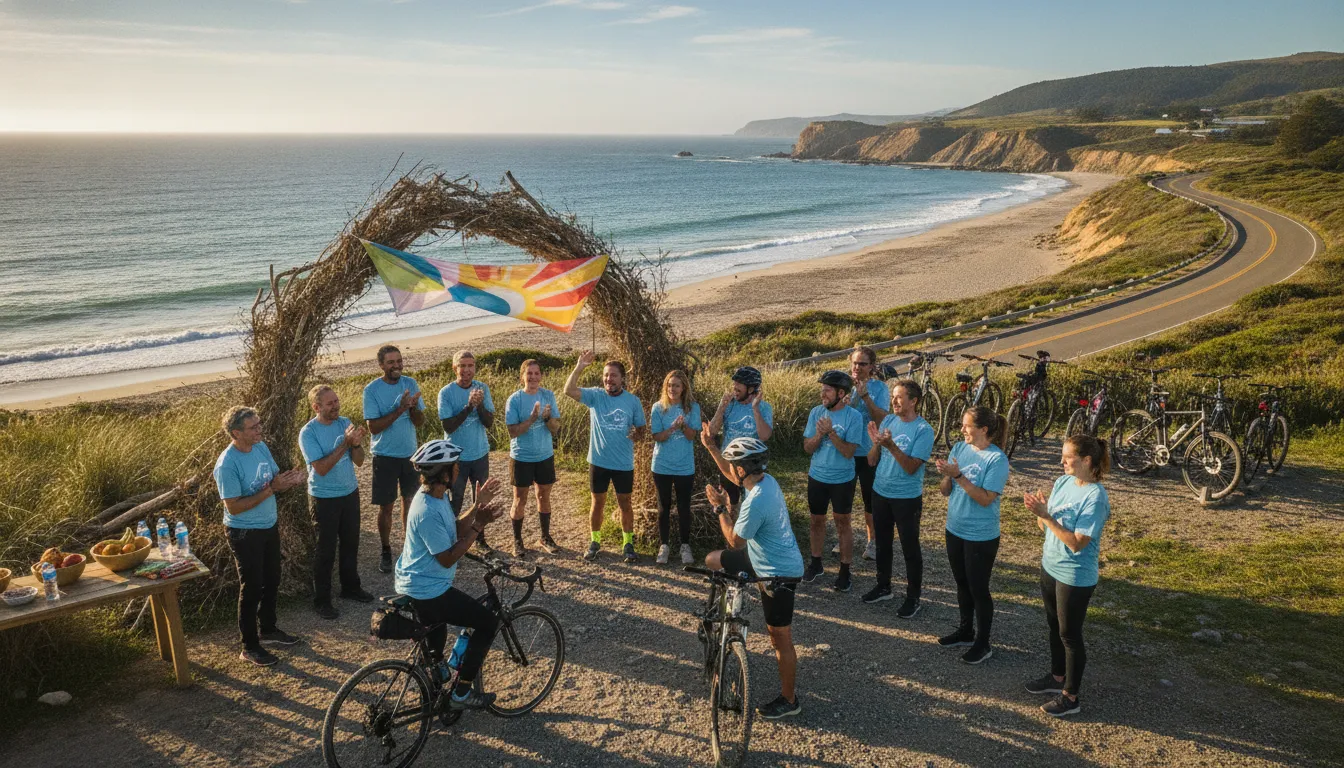
A charity bike ride may last one day, but the relationships that make it possible can continue through every season. Volunteers who staff rest stops, support riders, welcome teams, or contribute behind the scenes deserve more than a quick thank-you at the finish line. They need to see that their time mattered and know there is a place for them in the community ahead.
To learn how to retain charity bike ride volunteers, build a simple year-round rhythm: thank people promptly. Share verified local impact, ask for feedback, recognize different kinds of contributions, and offer a clear, low-pressure invitation to return. Research on volunteer turnover links communication, organizational support, engagement, and satisfaction with whether volunteers stay involved, so stewardship should continue after the event.
For Bike to the Beach, that approach reflects the organization’s role as a community, not just an event. The first step is understanding why the weeks after the ride can shape a volunteer’s decision to come back.
Volunteer with Bike to the Beach and stay connected beyond ride day
Why does volunteer retention matter after a charity bike ride?
The finish line is not the end of a volunteer’s experience. It is the moment when organizers can either strengthen a new relationship or let it fade. A volunteer may have spent hours welcoming riders, managing a rest stop, supporting a partner organization, or helping behind the scenes. After that effort, a thoughtful follow-up helps them understand that their contribution was noticed and still matters.
Retention also makes the ride community stronger over time. Returning volunteers bring practical knowledge, trusted relationships, and a clearer sense of how their role supports riders and local partners. That does not mean every volunteer needs to commit to every event. It means people should have a meaningful reason to stay connected, whether they return to the same role, try something new, or simply follow the work between rides.
Satisfaction and belonging shape the next decision
Research supports the importance of the post-event experience. A 2024 meta-analysis of volunteer turnover identified job satisfaction, affective commitment, and engagement among the strongest attitudinal predictors of whether volunteers leave. The review also found large relationships between turnover and communication, perceived organizational support, and the quality of the volunteer-leader relationship. See the systematic review of volunteer turnover predictors for the study details.
For ride organizers, these findings point to practical questions. Did volunteers feel prepared and supported? Did they know who to contact? Did leaders listen when something was difficult? Did the organization communicate what happened after the event? A short thank-you, a clear impact update, and a genuine request for feedback can answer those questions better than a generic message.
Support should continue beyond ride day
Support is especially important for a mixed volunteer community. Corporate groups, nonprofit partners, experienced event volunteers, and first-time helpers may all contribute in different ways. Some people want another hands-on role. Others want occasional updates or a way to support the mission without returning to the same assignment. Inclusive stewardship makes room for those differences instead of treating retention as a single yes-or-no commitment.
Bike to the Beach describes itself as a community, not just an event. That makes year-round communication part of the volunteer experience, not an extra marketing task. Share verified local impact, recognize the work behind the ride, invite honest feedback, and offer a clear next step when the timing is right. For examples of specific gratitude, use these post-ride thank-you messages. These simple habits help volunteers feel seen, connected, and welcome the next time an opportunity comes around.
How to retain charity bike ride volunteers with a 30-day follow-up sequence
The weeks after a ride are a valuable time to turn a good volunteer experience into an ongoing relationship. A follow-up plan does not need to be elaborate. It needs to be prompt, personal, and useful. Thank people for the role they played, show how their work connects to the mission. Ask what would improve the experience, and make the next opportunity easy to understand.
-
Day 1: Say thank you while the experience is fresh. Send a short message as soon as practical after the event. Name the person’s contribution when you can, whether they supported a rest stop, helped a corporate volunteer group, welcomed riders, or worked behind the scenes. For example: “Thank you for helping make the ride welcoming and supported for every participant. Your time at the rest stop mattered. And we are grateful you were part of the day.” Keep the message focused on appreciation rather than immediately asking for another commitment. For more examples, use these post-ride thank-you messages as a starting point.
-
By the end of week 1: Connect the work to local impact. Share one clear update about what the volunteer effort helped make possible. Bike to the Beach connects athletic effort with social purpose and local relationships, so avoid vague statements about “making a difference.” Instead. Explain the regional connection and use a verified partner voice, photo, video, or staff statement when one is available. A simple message might say: “Your support helped create a safe. Encouraging ride environment while our community came together for local organizations.” If specific impact details are not yet confirmed. Say that a fuller update will follow rather than guessing.
-
By the end of week 2: Ask for feedback and listen. Send a brief survey or personal check-in with two or three questions. Ask what went well, what felt unclear, and what information would make a future volunteer role easier. Invite feedback from every type of contributor, including first-time helpers, experienced volunteers, corporate groups, and nonprofit partners. You might write: “What part of the day felt most rewarding, and what could we improve before the next ride?” Make it clear that a response is optional. Thank people for answering, and respect those who do not want another follow-up.
-
Day 30: Reconnect without pressure. Send one final touchpoint that keeps the relationship open. Share a relevant year-round update, recognize the community behind the ride, or invite the person to learn about a future volunteer opportunity. Explain why the next opportunity matters, include confirmed details when available, and provide one official link. If someone is undecided, ask what information would help, such as the schedule, role expectations, or team culture. Offer practical help once, then respect the answer. The goal is a clear, welcoming next step, not a hard sell.
This sequence works because it treats volunteers as members of a community rather than one-day labor. Keep notes on preferences and feedback, then use them to make the next invitation more relevant. A volunteer who prefers occasional rest-stop support may need a different message from a corporate group planning its next team activity, but both should feel remembered and included.
How can ride organizers show volunteers their local impact?
Volunteers are more likely to stay connected when they can see where their time, energy, and care went after the finish line. A strong impact update does not need to turn every contribution into a statistic. It needs to connect the ride to the people, organizations, and communities involved in that specific region.
Start with verified regional totals. Explain how much was raised, how many volunteers participated if that figure has been confirmed, and which local partners received support. For Bike to the Beach, funds raised stay within the region where they are collected and are distributed to vetted local partner organizations. Use the reporting period and source for every figure so volunteers can trust what they are reading.
Let local partners tell the story
A partner testimonial can make an impact update feel specific without asking organizers to speak for the people or programs they support. Invite a representative from a participating autism service provider, specialized school, therapy center, or recreational program to describe what the partnership makes possible. Keep the language accurate and respectful. A quote might explain why community support matters, identify a program it helps sustain, or thank the volunteers who made the ride possible. Do not add an outcome, beneficiary count, or promise that the partner has not verified.
Case studies can add useful context. Show the connection between the event, the partner organization, and the local community in a short sequence: what the partner does. How ride funds or volunteer support connect to that work, and what the partner wants supporters to understand next. This gives rest-stop teams, corporate groups, nonprofit partners, and behind-the-scenes contributors a clear place in the story.
Use more than one kind of proof
Build the update from a mix of assets: a photo of volunteers preparing a rest stop. A short video message from a partner, a participant impact statement, or feedback from beneficiary organization staff. Bike to the Beach identifies partner testimonials, case studies, photos, videos, participant statements, and beneficiary staff feedback as useful ways to reinforce volunteer and community impact. Secure permission before publishing names, images, or quotes, and label each asset with its region and event context.
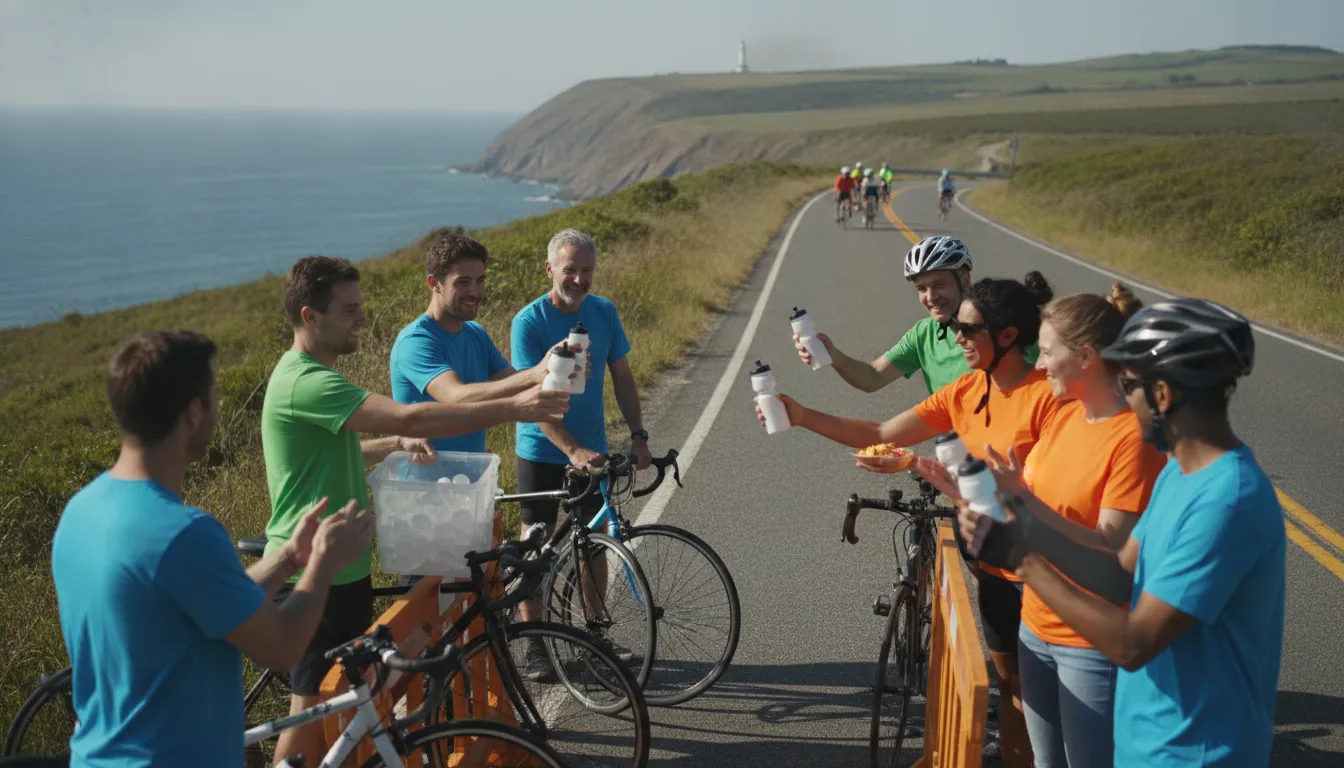
For a practical structure, use the impact report template to share your ride’s impact. Send the finished update to volunteers directly, then revisit one verified story in a later newsletter or year-round community post. Consistent, local evidence helps people remember that their contribution was part of an ongoing community effort, not a one-day transaction.
Recognition ideas that make volunteers feel seen year-round
Recognition works best when it reflects what someone actually contributed. A rest-stop team may have kept riders supplied with hydration, nutrition, medical supplies, or basic mechanical support. A corporate group may have coordinated people and solved problems together. A nonprofit partner may have brought local knowledge and a meaningful connection to the mission. Behind-the-scenes contributors may have handled communication, preparation, or safety long before riders arrived.
Thank each group for that specific work instead of using one general message for everyone. A note to a rest-stop crew might mention how their preparation supported riders along the route. A message to a partner organization might acknowledge the time it spent strengthening the local connection. A company-wide thank-you can recognize coordination, encouragement, and teamwork, not just the number of people who showed up.
Recognize support, not just visible results
Speed and fundraising totals are easy to notice, but they are only part of a ride community. Inclusive recognition can celebrate encouragement, outreach, first-time involvement, reliable follow-through, and the calm work that helps an event run safely. One charity ride account described support staff working long days to help create a smooth and safe ride, with their presence felt throughout the route. That is a useful reminder: some of the most important contributions are measured in care and consistency, not a leaderboard.
Consider a simple year-round recognition rhythm:
| Contributor | Recognition idea | Best timing |
|---|---|---|
| Rest-stop team | Name the practical support they provided to riders | Post-ride thank-you |
| Corporate group | Recognize coordination, encouragement, and teamwork | Team follow-up |
| Nonprofit partner | Share a verified local impact story or testimonial | Impact update |
| First-time volunteer | Thank them for trying something new and offer choices | Next-season invitation |
- Send a personal post-ride message that names the person’s role and contribution. These post-ride thank-you messages can help you make gratitude specific rather than generic.
- Share a short volunteer spotlight, with permission, featuring a rest-stop lead, partner contact, team coordinator, or first-time volunteer.
- Invite corporate groups and nonprofit partners to share a photo, reflection, or lesson learned, then include those voices in future updates.
- Use team communication ideas to keep recognition connected to the wider group, including people who supported the effort from behind the scenes.
Recognition should also leave room for different comfort levels. Some people welcome a public spotlight. Others may prefer a private note, a team thank-you, or a meaningful update about the community they helped support. Ask before publishing names or photos, and make appreciation feel like an invitation into the community, never an obligation to perform. That flexibility helps every contributor see that their role matters, whether they rode, staffed a rest stop, partnered locally, or quietly made the day possible.
Explore volunteer opportunities with Bike to the Beach
How do you invite volunteers back without pressure?
A thoughtful invitation starts with the person, not the calendar. The volunteer who coordinated a rest stop may want a similar operational role next time. A corporate group may prefer to return together. Someone who helped once may be interested in staying connected but not ready to commit to another ride. Segment your outreach by role, experience, and stated interest so each message feels relevant rather than like a mass reminder.
Keep the next step easy to understand. Explain why the opportunity matters, share only confirmed participation details, and include one official link. If you are inviting someone to help with Bike to the Beach, direct them to volunteer with Bike to the Beach. If the person is interested in participating in the New England event, offer the New England ride page instead. Separate choices help people see where they fit without making them sort through unrelated information.
Before asking for a decision, ask what would make the opportunity feel workable. A former volunteer may need clarity about the role, schedule, team culture, fundraising process, or ride distance. Others may want to know whether there are ways to contribute without riding. Bike to the Beach serves volunteers and non-rider supporters, and its volunteer community includes people who help at rest stops or stay connected between events. Offer to answer the specific question, then let the person decide at their own pace.
Make room for different levels of participation. A returning volunteer might choose the same assignment, try a new one, join a team, or simply receive occasional local impact updates. Invitations can also acknowledge that experienced cyclists, casual riders, and first-time participants bring different needs and strengths. Celebrate support, encouragement, outreach, and first-time involvement, not just speed or fundraising totals.
Finally, treat no as a complete answer. Send one clear follow-up with practical help, then stop pressing. Thank the person for what they already contributed and leave the door open for future connection without implying obligation. That combination of clarity, choice, and respect is a stronger foundation for retaining charity bike ride volunteers than urgency alone.
Frequently Asked Questions
How soon should you thank charity bike ride volunteers?
Send a personal thank-you as soon as practical after the ride, while the experience is still fresh. Mention the person’s specific contribution, such as staffing a rest stop, welcoming riders, or helping behind the scenes. Follow with a short impact update when verified information is available, so gratitude connects to the local work the ride supports.
What should you ask volunteers in a post-event survey?
Keep the survey brief and ask what went well, what created friction, what support would have helped, and which role they would consider next time. Include an open-ended question for anything they want organizers to know. Share how you will use the feedback, then close the loop when a suggestion leads to a change.
How can organizers recognize volunteers with different roles and abilities?
Recognize the contribution, not just mileage, speed, fundraising totals, or public visibility. Thank rest-stop teams, drivers, route supporters, corporate groups, nonprofit partners, and first-time helpers in ways that fit their preferences. Inclusive recognition can include a personal note, a team message, a photo, or a specific story about how their work helped the day run well.
How do you invite volunteers back without pressure?
Make a clear invitation, explain what is confirmed, and offer more than one way to stay involved. Ask whether they would prefer the same role, a different role, or occasional year-round updates. Give them space to decide, answer practical questions about timing or responsibilities, and respect a no. A low-pressure invitation protects the relationship and keeps the door open for a future season.
Ready to stay connected with the ride community?
Year-round stewardship starts with a simple next step: keep the relationships built through shared effort moving forward. Whether you are returning to volunteer, exploring a new role, or looking for a welcoming regional ride community. Your time and perspective can help strengthen the experience for everyone involved. Volunteer with Bike to the Beach and find a meaningful way to stay involved beyond ride day.