
How to Fundraise for a Nonprofit: A Practical Starting Guide
Learn how to fundraise for a nonprofit with a clear purpose, realistic goal, specific invitation, and simple follow-through plan for your community.
Learning how to fundraise for a nonprofit starts with a simple question: what will support make possible? A clear answer helps an individual, school, workplace, or community group choose an approach, set a useful goal, and invite others in without making the effort feel overwhelming. Start small enough to manage, explain the purpose in plain language, and make it easy for people to take part.
Explore a community charity ride
What should you decide before asking for support?
Before choosing a fundraising platform or writing an appeal, agree on the basics. A short planning conversation can prevent confusion later and gives everyone a shared explanation to use.
- Purpose: Name the organization, program, or community need the effort will support. Be specific enough that a supporter can picture the intended benefit.
- Organizer: Decide who will make decisions, keep records, communicate updates, and answer questions. One person can coordinate, but responsibilities can be shared.
- Audience: Identify the people most likely to care about the purpose. This might be family and friends, colleagues, local businesses, members, or a wider community.
- Time and capacity: Consider how many people can help and how much time they can give. A small, well-run effort is often more manageable than a complicated event with too few organizers.
- Next step: Make the action concrete. People should know whether you are asking them to give, join a team, share an appeal, volunteer, or learn more.
For a nonprofit, the fundraising purpose should fit its mission and programs. People organizing an effort on behalf of an organization should confirm the intended use of funds and the language they are allowed to use before making an appeal. A resource on defining a nonprofit’s purpose and programs can help frame that planning conversation; it is not a substitute for legal or financial advice.
How can you set a goal that is useful?
A fundraising goal gives the effort direction, but it should be connected to a reason and a plan. Avoid choosing a number only because it sounds impressive. First describe what the money will support, then estimate what your team can reasonably raise in the time available.
Work through these questions together:
- What is the intended use? Explain the project, service, or community benefit in clear terms. If the organization has not confirmed a specific use, say so rather than implying a promise.
- What can the team contribute? Consider the number of organizers, the size of their networks, the time available, and the kinds of fundraising activities they can sustain.
- What is the deadline? A defined period makes it easier to plan messages and assess progress. Leave room for preparation and a final update.
- What is the minimum worthwhile result? Identify a baseline that still makes the effort worthwhile. This helps the group decide what to do if early support is slower than expected.
- What would a stretch result enable? A higher target can motivate a team when it is tied to a meaningful additional outcome and does not replace an achievable baseline.
Break the overall target into smaller milestones. For example, a group could track early commitments, mid-campaign progress, and the final amount received. The milestones are planning tools, not guarantees. Review them as you learn which messages and activities are working.
Keep the goal and the language around it consistent. If the plan changes, update supporters promptly. Do not describe a gift as tax-deductible, restricted to a particular use, or eligible for a match unless the receiving organization has confirmed the details and the relevant terms.
Which fundraising format fits your people and purpose?
The right format is the one that connects naturally to the cause and that the organizers can deliver. A fundraiser does not have to be a large event. Compare the effort, audience, and follow-through before choosing.
| Format | Works well when | Main planning needs | Follow-through |
|---|---|---|---|
| Personal appeal | One person or a small group can make direct, thoughtful asks. | Clear message, contact list, and a way to receive or direct gifts. | Thank supporters and share a concise progress update. |
| Community event | People want to gather around an activity or shared experience. | Venue or route, roles, accessibility, safety, permissions, and event-day logistics. | Reconcile proceeds and explain what happened after the event. |
| Team challenge | A workplace, school, club, or friend group can invite participants to act together. | Team lead, participation instructions, timeline, and consistent information. | Recognize contributors and report the collective result. |
| Business partnership | A local business has a genuine connection to the cause or community. | Agreed roles, promotion plan, financial handling, and permission to use names or logos. | Thank the partner and confirm what was delivered. |
| Online campaign | Supporters are comfortable sharing a digital appeal across their networks. | Accurate page details, accessible giving instructions, and a plan for answering questions. | Post updates and verify the final received amount with the recipient. |
These approaches can be combined, but more activities mean more coordination. Select one main format first. Add a second only if it reaches a distinct audience or fills a clear gap. A fundraiser built around a shared activity can make participation itself part of the story. For example, charity bike fundraising events connect a physical challenge with community giving.

How do you make the invitation clear?
A good fundraising message answers four questions: who is asking, what the effort supports, what the reader can do, and when the action matters. Keep the explanation direct. A personal connection can make the appeal warmer, but supporters should not have to infer the purpose from a long story.
A simple invitation can follow this pattern:
- Context: “I am taking part in a community fundraiser for…”
- Purpose: “The effort supports…” Use only details confirmed by the organization.
- Ask: “Would you consider contributing, joining our team, or sharing this with someone who may care?”
- Action and timing: Give the correct link or instructions and the relevant date.
Adapt the message for the person receiving it. A close friend may respond to a personal note. A workplace contact may need a brief explanation of the cause and the team activity. A local business may need a clear description of the request, the time commitment, and any recognition being offered. Do not promise benefits, publicity, or outcomes that have not been agreed.
Make more than one way to participate available where practical. Some people may be able to give; others may be able to share the invitation, volunteer, or take part. A respectful request gives people room to choose and does not pressure them to explain a decision.
How can you organize the work without losing momentum?
Turn the plan into a short calendar. Assign an owner to each task and set a date for checking progress. A simple shared document is usually enough for a small campaign.
- Prepare: Confirm the purpose, recipient, approved wording, giving method, goal, timeline, and organizer roles.
- Launch: Share the main invitation with the people most likely to care. Make the ask direct and include a clear action.
- Follow up: Send a small number of meaningful reminders. Share a useful update or answer a common question rather than repeating the same request.
- Close: Tell supporters when the effort ends and avoid implying that contributions will continue after the deadline if they will not.
- Reconcile: Confirm funds received, account for event costs where relevant, and pass along proceeds according to the agreed process.
- Report back: Thank people and share what happened, including any limits or changes to the original plan.
Set up a basic record as you go. Track the date, activity, responsible person, amount received or committed, expenses if applicable, and follow-up needed. Limit access to personal information, and collect only what is needed to run the effort. Agree in advance on how donations will be handled; avoid mixing personal and organizational funds unless the recipient has expressly approved the process.
For a team effort, a brief weekly check-in can surface problems early. Ask what has been completed, what is blocked, and what decision is needed next. Keep the meeting focused on action rather than asking volunteers to defend every result. If a task is too large, break it down or assign a second person.
How should you measure progress and close the loop?
The total raised matters, but it is not the only useful measure. Choose a few indicators that tell you whether the effort reached people and whether the process was manageable. Depending on the format, you might track the number of participants, direct asks made, gifts received, volunteer hours, business partners engaged, or supporters who shared the appeal.
Separate results from assumptions. An online post being seen is not the same as a gift. A pledge is not necessarily the same as funds received. Record what you can verify, and be clear about the difference when reporting to the organization or the community.
After the campaign, compare the actual result with the goal and note what shaped it. Which invitation felt clear? Which activity took more time than expected? Did people ask the same question repeatedly? These observations can make the next effort easier to plan. Avoid treating one campaign’s result as a promise of what another group will raise.
Thank-you messages should be timely and specific. Recognize different kinds of support, not only financial contributions. If the nonprofit provides approved impact information, share it accurately. If the outcome is not yet known, say when an update may be available rather than making up a result.
What can make nonprofit fundraising harder than it needs to be?
- Starting with a tactic instead of a purpose: An event or online tool cannot explain why the effort matters. Confirm the cause and intended use first.
- Setting a target without a plan: A number alone does not tell organizers whom to ask or what to do next. Tie the goal to capacity, time, and milestones.
- Using vague claims: Be precise about the recipient and the benefit. Check names, figures, and program descriptions with the organization before sharing them.
- Overloading a few volunteers: Assign realistic tasks and offer people manageable ways to help. A smaller scope can protect the team and the supporter experience.
- Ignoring expenses or handling: Agree how payments, event costs, records, and transfers will work before collecting funds. Ask the recipient for instructions when something is unclear.
- Going quiet after the ask: Supporters need to know whether the effort ended and what happened. Plan a thank-you and update before launch.
- Making the invitation feel compulsory: Explain the opportunity and let people decide. Do not use guilt or repeated pressure as a substitute for a clear case.
For an event-based effort, the practical details matter too. Plan who will manage check-in, answer participant questions, and respond if weather or other circumstances change the schedule. If the event involves cycling, review route information and participant support in advance. The ride navigation information is one example of the kind of event detail riders may need to find. Keep logistical instructions current and point people to the event’s official information.
How can a community connect fundraising with local impact?
Fundraising becomes more meaningful when people can see the relationship between their effort and the community it supports. Explain the cause in a way that respects the people represented. Use language approved by the nonprofit, protect personal stories and images, and do not imply that one gift solves a complex need.
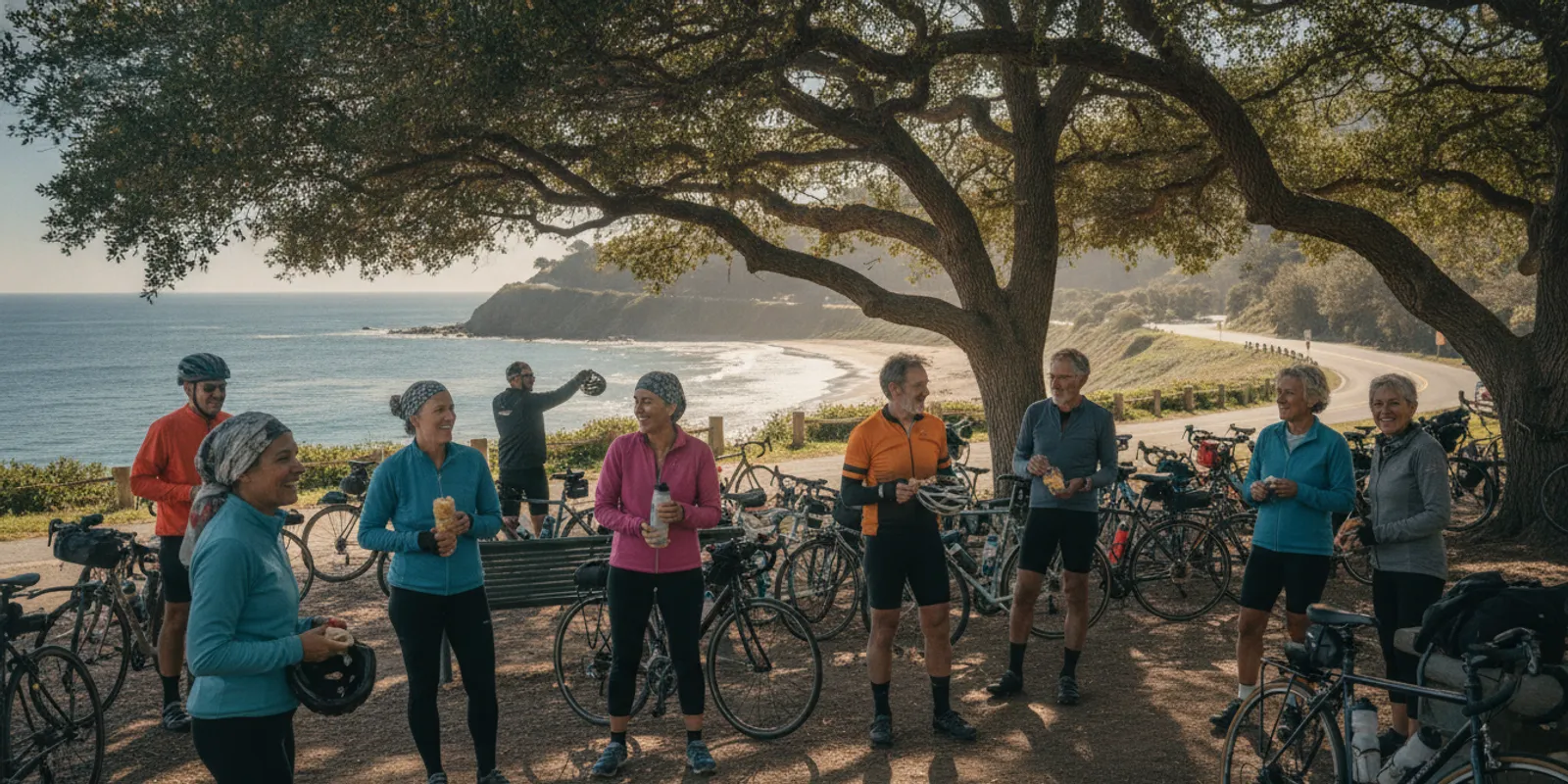
Bike to the Beach brings cycling and charitable giving together through rides that support local autism and disability organizations. The organization describes itself as a community beyond a single event, so a ride can be one way to meet people and take part in a broader effort. Read about the stories and impact behind the community, or learn more about Bike to the Beach and its work.
People can participate in different ways depending on their time and interests. A rider may invite friends to support a challenge. A volunteer may help an event run smoothly. A workplace team or local organization may explore a partnership. The sponsorship information explains one path for organizations interested in supporting the work. Choose the route that fits your role rather than assuming every supporter needs to take the same action.
See how to take part in a charity ride
Frequently Asked Questions
How do I start fundraising if I have never done it before?
Choose a cause you can explain, confirm how the recipient wants funds handled, and ask one or two people to help you plan. Set a modest, time-bound goal and begin with a personal invitation to people who may care about the purpose. You can expand the effort after you have a workable process.
What is the easiest fundraiser to organize?
For many small groups, a direct personal appeal requires fewer logistics than an event. Its ease depends on the organizer’s audience, the recipient’s approved giving method, and the time available. An online page may simplify sharing, while an in-person event can suit a community that wants to gather. Compare coordination needs before choosing.
How much should a nonprofit fundraiser aim to raise?
There is no single target that fits every organization or group. Base the goal on the intended use, available time, organizer capacity, and likely audience. A practical minimum and a clearly explained stretch goal can give the team direction without promising a result.
How often should I remind people?
Use a few planned, useful updates rather than sending repeated requests without new information. Share progress, explain an upcoming deadline, or answer a question. Respect each person’s choice and follow any communication preferences they have shared.
What should I tell supporters after the fundraiser?
Thank them, confirm that the effort has ended, and share the result you can verify. Explain what happens next and when more information may be available. If the plan changed or the goal was not reached, be straightforward about it.
How can a group support local autism and disability organizations?
Start by learning which organizations and programs serve the community and what kinds of support they welcome. Ask before using a partner’s name or story in promotional material. A local charity ride, volunteer role, or organizational partnership can provide a practical way to get involved; choose the option that fits your group’s capacity.
Ready to make your plan a community effort?
Explore a Bike to the Beach ride and find a way to take part
A clear purpose, manageable plan, and honest follow-through can help turn an initial fundraising idea into a meaningful community effort. Start with the next action your group can take, then build from there.