
Cycling Fundraiser Ideas for Local Nonprofits
Start a cycling fundraiser that rallies riders, donors, and sponsors while supporting local autism and disability nonprofit programs.

A cycling fundraiser can turn one day on the road into months of local momentum. Riders bring personal stories, donors follow their progress, businesses rally behind teams, and autism and disability nonprofits gain a visible platform for the work they do every day. The most effective events do more than collect donations. They give every participant a clear role in creating local impact.
Become a Bike to the Beach service provider partner and raise funds through a fully supported ride.
For autism and disability nonprofits, the best cycling fundraiser ideas include peer-to-peer rides, workplace teams, virtual mileage challenges, sponsor matching campaigns, and local partner campaigns. A ready-made platform such as Bike to the Beach combines these approaches with supported regional rides, fundraising tools, and a local-impact model.
Once you have chosen your event format, setting up a strong charity bike ride fundraising page gives every participant a clear way to collect donations and share their story.
You do not need to build a century ride from scratch to benefit from this model. The right format depends on your audience, fundraising goal, staff capacity, and the experience you want supporters to share. Use the ideas below to choose a practical route from first conversation to finish-line celebration.
Why a cycling fundraiser works for local impact
A strong fundraising bike ride gives people something concrete to do for a cause they care about. Instead of simply receiving an appeal, supporters can train, invite friends, share updates, volunteer at a rest stop, or sponsor a colleague. Each action introduces the nonprofit to another part of the community.
The format also creates natural storytelling moments. A rider can explain why they signed up, introduce the local program their miles support, and share progress toward a personal fundraising goal. Those updates make the mission easier for new donors to understand. Bike to the Beach’s Why We Bike stories show how personal motivation can connect a ride to a wider community purpose.
Local programs stay at the center
Donors increasingly want to understand where their gifts go. A locally focused ride can connect each fundraising goal with practical outcomes such as sensory gyms, therapy programs, educational support, recreation, family support, and inclusive community activities. That specificity helps a supporter see the difference between a $25 gift and a vague promise.
Bike to the Beach is built around that local connection. Participant fundraising supports nonprofit partners in the region where it is raised. For a service provider, joining the platform offers both fundraising potential and a way to introduce its work to riders, volunteers, businesses, and families who share an interest in autism and disability inclusion.
A ride welcomes several kinds of supporters
Not everyone wants to ride the same distance, and not everyone wants to ride at all. A useful event plan makes room for experienced cyclists, first-time participants, virtual riders, donors, volunteers, corporate teams, and sponsors. One person may train for a long route while a coworker recruits donors or staffs a rest stop. Both contribute to the same result.
That range of roles makes cycling especially useful for community fundraising. The bike ride is the focal point, but the campaign around it can involve an entire organization. When people can choose how they participate, more of them are likely to stay engaged through event day and beyond.
Six cycling fundraiser formats to consider
The best format is the one your supporters can explain and join without friction. Before selecting an idea, ask three questions: Who is most likely to participate? How much operational support can your team provide? What local outcome will motivate donors?
| Format | Best fit | Primary strength | Planning demand |
|---|---|---|---|
| Peer-to-peer ride | Supporters with personal networks | Personal stories expand reach | Medium |
| Workplace team | Companies and employee groups | Shared goal builds team energy | Medium |
| Virtual challenge | Distributed or busy supporters | Flexible participation | Low |
| Sponsor match | Organizations with business relationships | Creates urgency and leverage | Medium |
| Local partner campaign | Service providers and community nonprofits | Keeps outcomes specific and local | Medium |
| Ready-made supported ride | Teams with limited event capacity | Reduces operational burden | Low |
Peer-to-peer rides and team fundraising
In a peer-to-peer campaign, each rider creates a fundraising page and asks their own network to contribute. The rider’s reason for participating becomes the entry point for the ask. A parent might ride for a program that supported their family. A therapist might ride alongside colleagues. A community advocate might invite friends to mark each training milestone with a gift.
Teams add camaraderie and friendly accountability. Coworkers, schools, cycling clubs, and families can work toward a combined goal while still sharing individual stories. For nonprofits, teams are also an efficient way to organize outreach because a captain can keep a small group informed and motivated.
Virtual challenges and sponsor matches
A virtual challenge removes geography and scheduling as barriers. Participants can track mileage on neighborhood roads, trails, stationary bikes, or regular commutes. This option is especially useful for alumni, extended families, and supporters who cannot attend the regional ride in person. It can also serve as an introduction for someone who is not ready for a longer event.
A sponsor match gives those miles extra urgency. A business can match gifts during a defined week, after the team reaches a milestone, or up to a stated amount. The campaign gives the sponsor a meaningful way to participate while encouraging donors not to wait. Bike to the Beach offers businesses several ways to get involved through its sponsorship program.
How do you plan a successful bike ride fundraiser?
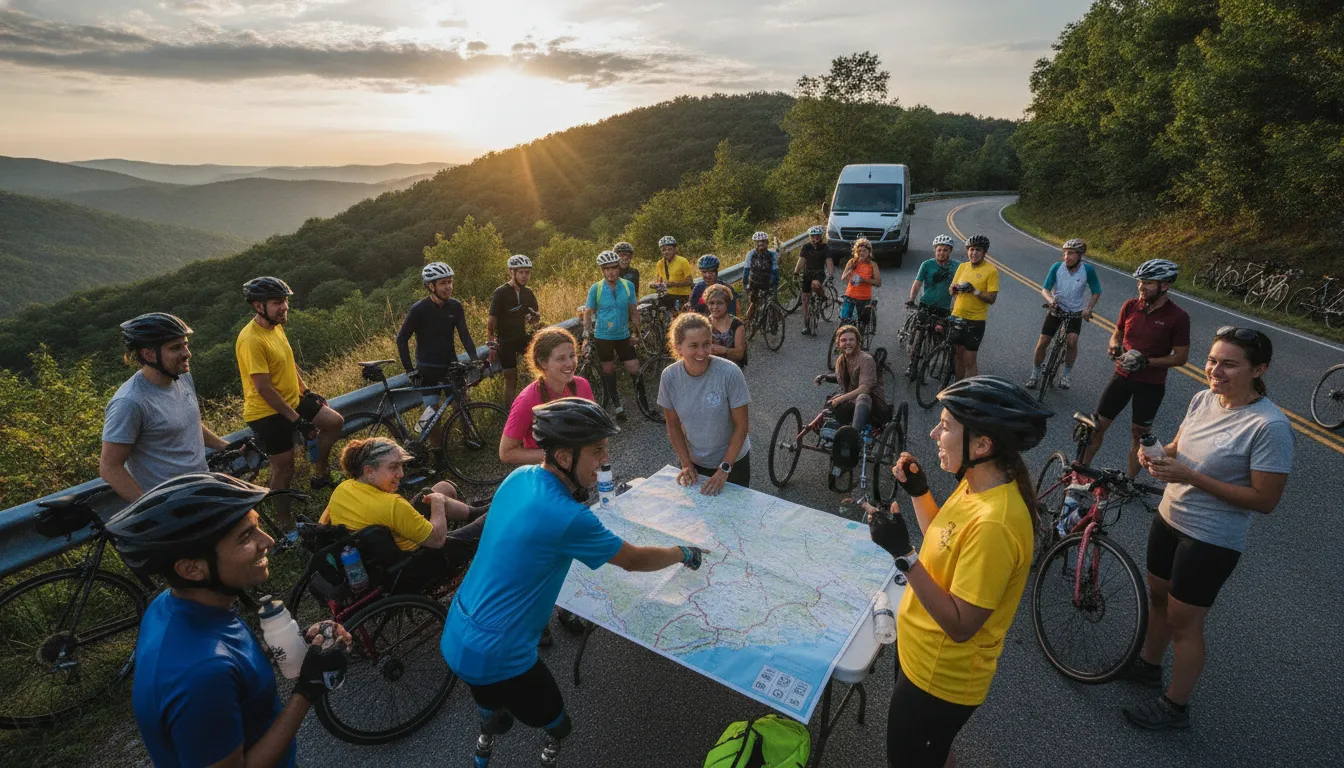
Begin with the impact, not the mileage. A clear statement such as “fund a season of inclusive recreation” gives riders and donors a reason to care. Once the outcome is defined, select a ride format and fundraising target that fit the size of your community and the capacity of your staff.
Planning your own event means taking responsibility for route design, permissions, safety, rest stops, rider communication, fundraising technology, volunteer coordination, and weather contingencies. Joining a fully supported event reduces that workload, but your organization still needs a focused campaign to recruit participants and tell its story.
A practical planning sequence
- Define the local outcome. Explain what funds will help make possible and who the program serves.
- Choose the participation model. Decide whether supporters will ride in person, join virtually, form teams, volunteer, or combine several options.
- Set a realistic goal. Build the target from likely participant counts and achievable individual goals.
- Recruit a core team. Start with people who can serve as riders, captains, storytellers, sponsor contacts, and volunteer leads.
- Create a communication calendar. Plan launch messages, training updates, impact stories, sponsor announcements, and event-day reminders.
- Equip fundraisers. Give participants sample emails, social posts, photos, and short explanations of the local program.
- Report the result. Thank supporters and show what their work helped the nonprofit accomplish.
Make safety and support visible
Riders are more likely to register when they understand what support to expect. Clearly explain route options, training expectations, rest stops, mechanical help, SAG support, hydration, and what happens if a rider cannot complete the planned distance. First-time charity riders may be motivated by the cause but uncertain about the logistics. Answering practical questions early helps them commit with confidence.
A fully supported event also reassures nonprofit staff that they can focus on their community rather than building an operations team. Bike to the Beach regional rides bring participants to a beach finish and provide an established structure for the day. Nonprofits can use that structure as the foundation for their own outreach and fundraising campaign.
Build a community around the ride
The strongest cycling campaigns feel like a community project rather than a transaction. Invite people into the work early and give them meaningful responsibilities. A local bike shop might host a training clinic. A service provider could introduce riders to the program they support. Families might share what inclusive community services mean to them. Volunteers can create a welcoming experience at rest stops and the finish.
Give riders a story they can tell naturally
Fundraisers often stall because participants do not know what to say after their first post. Give riders a sequence of simple prompts: why they joined, what their training looks like, which local program matters to them, and what a specific donation can help support. Concrete stories are easier to share than generic appeals.
Keep the language respectful and community-first. The goal is not to portray participants as rescuers. Riders, donors, families, nonprofit teams, and sponsors are neighbors taking shared action. That framing centers partnership and makes the invitation more inclusive.
Invite companies to participate beyond a check
Businesses can sponsor the event, form employee teams, match gifts, provide volunteers, or host a fundraising activity. Offering several options helps a company select an involvement level that fits its goals. An employee team can be especially valuable because it combines giving, wellness, and team connection in one campaign.
When approaching a potential sponsor, explain the local audience, the participant experience, and the specific program the campaign supports. Give the company a clear next step rather than a broad request to “help.” Bike to the Beach’s sponsor page outlines opportunities for businesses that want to support the ride and its mission.
Use a ready-made fundraising bike ride platform
For many local nonprofits, the biggest obstacle is not enthusiasm. It is the time and expertise required to produce a safe ride. A ready-made platform lets the organization concentrate on recruiting supporters, sharing its impact, and building relationships while an experienced event team manages ride-day operations.
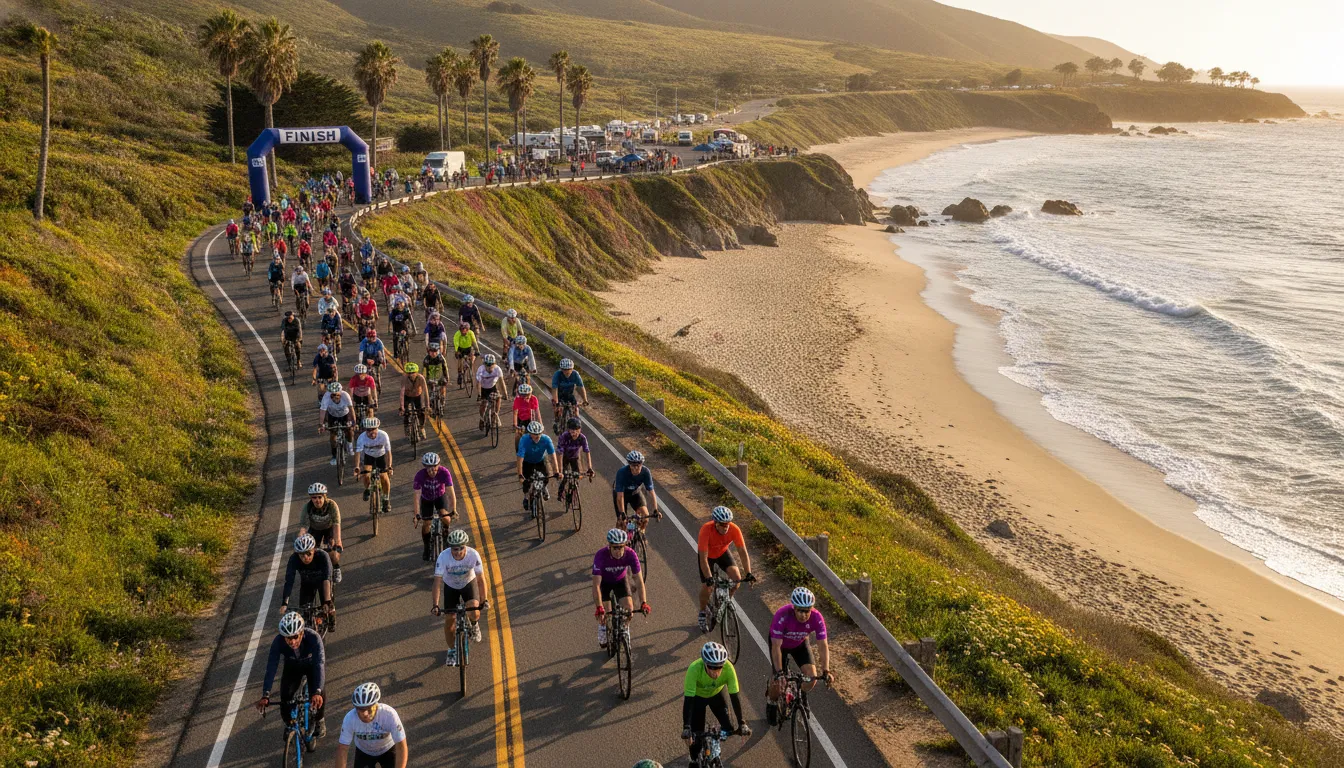
Bike to the Beach offers regional rides in Florida, DC/MD/VA, New England, and New York. Each market connects participants with local autism and disability nonprofits, so the fundraising story stays close to home.
What a local nonprofit gains
- An established event that supporters can join instead of a ride the nonprofit must produce alone
- A memorable destination experience with a beach finish
- Options for riders, teams, virtual participants, sponsors, and volunteers
- Fundraising visibility among community-minded participants and businesses
- A platform built around supporting local autism and disability programs
The model is particularly useful for organizations that want to test cycling-based fundraising without committing staff to permits, route support, and every other operational detail. A nonprofit can begin with a small group of committed riders, learn which messages connect with donors, and grow the campaign over time.
How do you keep fundraising momentum moving?
A campaign needs a rhythm between launch day and the ride. If every message is another request for money, supporters will tune out. Alternate fundraising asks with training updates, participant stories, sponsor news, volunteer opportunities, and examples of local impact.
Use milestones to create fresh reasons to share
Break the campaign into visible moments. Celebrate the first five riders, the first team to reach its goal, a sponsor match, a major training ride, or the halfway point to the overall target. Milestones help supporters see progress and give participants something new to share with their networks.
Captains can keep team members moving with short weekly check-ins. Ask each rider to take one manageable action, such as inviting three friends, posting a training photo, or thanking recent donors. Small actions feel achievable and compound across a group.
Close the loop after the finish
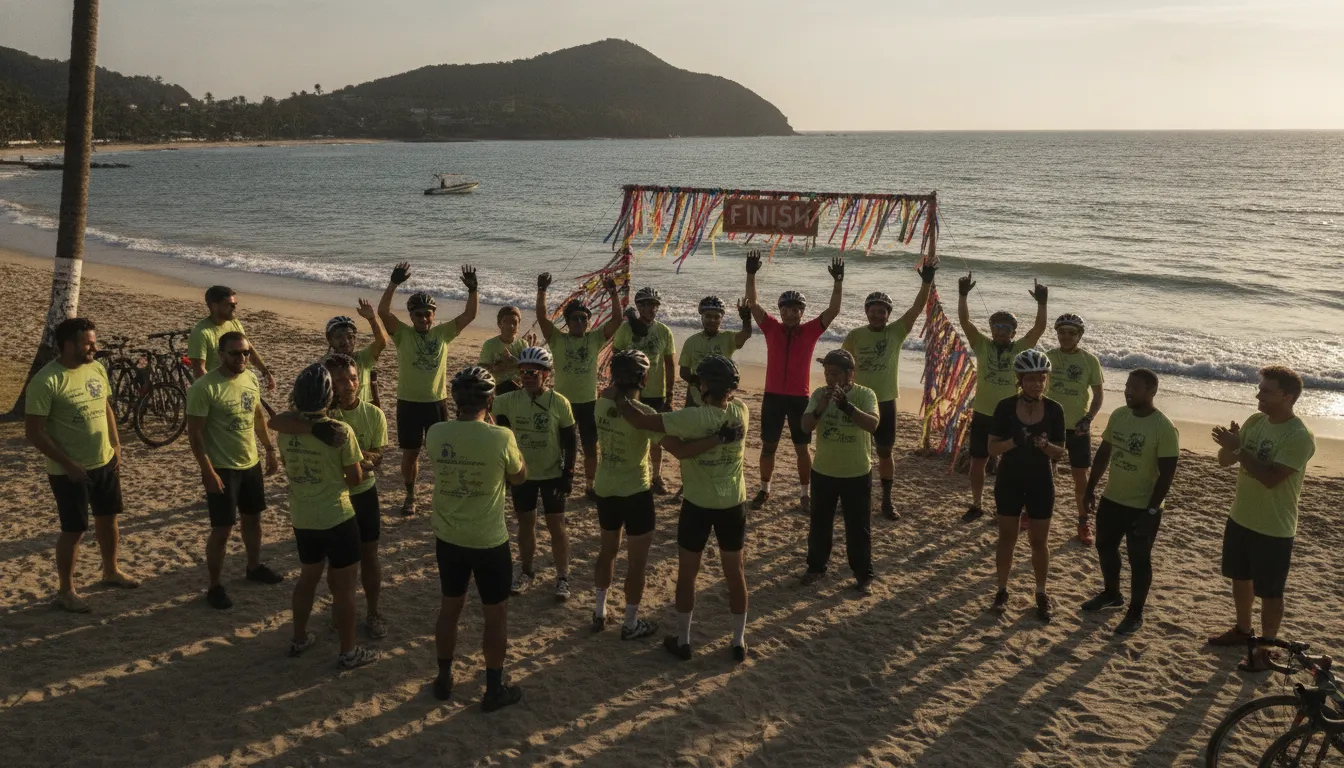
The finish line is not the end of the campaign. Send a prompt thank-you, report the amount raised, recognize the people and businesses that helped, and explain the next step for the funded program. This follow-through shows donors that their gifts mattered and makes it easier to invite them back.
Share photos and short reflections from the day, including the contributions of volunteers and partners. A thoughtful close turns one fundraising bike ride into the beginning of a lasting local relationship.
Frequently asked questions about cycling fundraisers
How can a nonprofit start a cycling fundraiser?
Start by defining the local program or outcome the campaign will support. Then choose whether to produce an independent ride or join an established event. Recruit a small core team, set a realistic fundraising goal, create participant resources, and build a communication calendar that runs through the post-event impact report.
Do participants need to be experienced cyclists?
No. A well-designed campaign can include different route distances, relay-style teams, virtual challenges, volunteering, and sponsorship. Explain the options and available ride support clearly so each person can choose a meaningful role that fits their comfort level.
How do cycling fundraisers attract corporate sponsors?
Show companies the specific local impact, who participates, and how employees can get involved. Offer clear options such as sponsorship, employee teams, matching gifts, rest-stop support, and volunteering. A focused proposal is more useful than a general request for support.
Why should a nonprofit join an established fundraising bike ride?
An established ride reduces the operational burden of route planning, rider support, and event production. The nonprofit can focus more of its energy on recruiting participants, sharing its mission, connecting with donors, and building local partnerships.
Turn your next ride into local impact
A cycling fundraiser works best when the mission stays visible at every mile. Whether your organization recruits its first five riders, builds a workplace team, launches a virtual challenge, or joins a fully supported regional event, give supporters a clear way to act and a clear reason to care.
Bike to the Beach helps local autism and disability nonprofits connect with riders, donors, sponsors, and volunteers through memorable regional rides. Contact Bike to the Beach to discuss how your organization can take part.