
How Cycling for Autism Builds Community Inclusion
Get involved in a ride that turns cycling for autism into community inclusion, funding local therapy, sensory gyms, and recreation programs for families.

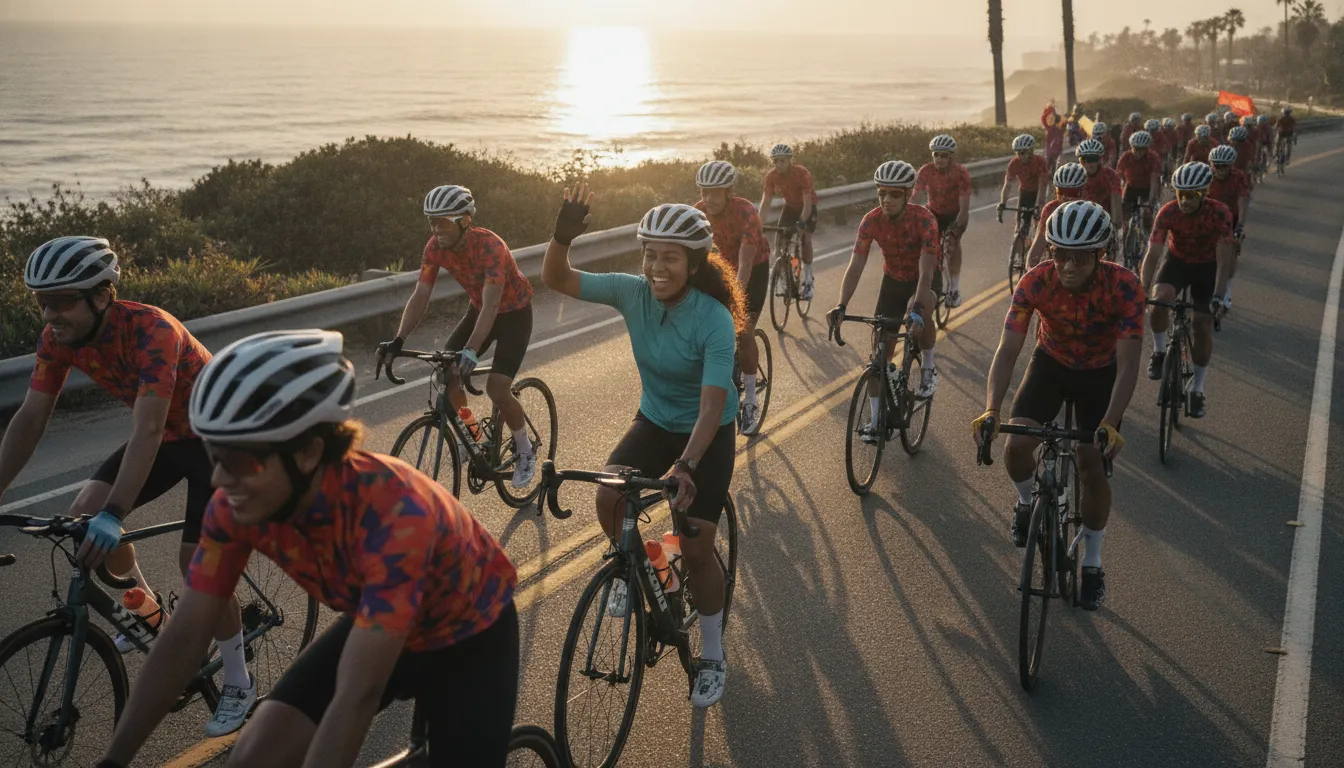
A bike ride can do more than move people from one place to another. When riders show up together for autism awareness, they make inclusion visible on roads, in neighborhoods, and in the local programs that support autistic people and their families.
Cycling for autism is a practical form of advocacy: riders build public awareness and invite more people into the conversation. While directing 100% of participant fundraising to local services such as therapy, sensory gyms, and recreation. The goal is not to speak for autistic people, but to help create communities where they are recognized, welcomed, and included.
That impact begins with the way riders treat the event as a shared commitment rather than a single day on the calendar. The miles, conversations, and partnerships behind the ride show why getting on a bike can become a meaningful act of advocacy.
Register for an upcoming Bike to the Beach ride
Why Cycling for Autism Is an Act of Advocacy
Advocacy is not limited to speaking at a meeting or sharing a statistic. It can look like showing up in your community, riding beside your neighbors, and making space for autistic people and their families in everyday life. That is what cycling for autism can do when the ride is built around inclusion rather than pity. The bike is a way to create visibility, start conversations, and turn shared effort into practical local support.
The need for that support is broad. Autism affects about 1 in 36 children, which means nearly every community includes families navigating questions about access, recreation, education, therapy, and belonging. A ride does not reduce autistic people to a cause. Instead, it recognizes them as neighbors, participants, athletes, and community members whose needs deserve sustained attention.
From a single ride to visible local support
A well-organized ride gives advocacy a public, active form. Riders train together, fundraise together, and travel through the communities they are asking to support. That visibility can help people understand that inclusion is not an abstract idea. It depends on programs, welcoming spaces, and resources that families can use now.
There are clear examples of this local model in action. The Tampa Midtown Rotary Club raised $2,000 through a ride for the University of South Florida Center for Autism and Related Disabilities and an applied behavior analysis program. The funds supported organizations providing services in the community, showing how a group of riders can connect physical effort with immediate, tangible impact. USF’s account of the ride illustrates the link between public participation and direct support.
That connection matters because advocacy should be measured by more than attention on event day. It should help strengthen the places where people find therapy, recreation, education, and connection. Bike to the Beach’s mission centers that community-first approach, bringing fitness and fundraising together while keeping the focus on local impact.
Inclusion means participation and independence
Advocacy also means changing who gets to participate in active community life. The University of Nebraska Medical Center describes its Wheel Club as an organization that “offers inclusion and independence.” That framing is important: the goal is not for others to act on behalf of autistic people. But to help create opportunities for people with disabilities to take part on their own terms. UNMC’s Wheel Club story shows how cycling can support that broader vision.
When riders choose an autism-focused event, they help make inclusion visible while supporting the local organizations that make it possible. They become part of a community that values presence, access, and shared effort. The result is advocacy with momentum: not sympathy from a distance, but people moving together toward a community where autistic individuals and families are fully included.
How an Autism Bike Ride Builds Community Beyond the Event
A ride can last one day, but the relationships it creates can keep moving long after the final cyclist reaches the finish. Riders meet families, nonprofit leaders, volunteers, and local organizations that understand the everyday importance of inclusion. Those connections turn a shared route into a stronger network of support for autistic people, people with disabilities, and their families.
Bike to the Beach makes that connection tangible through its funding model. One hundred percent of rider fundraising goes directly to local autism and disability partner organizations. That support helps sustain services people can use in their own communities, including sensory gyms, therapy, educational programs, and recreational opportunities. The goal is not to send money toward distant, abstract causes. It is to help local organizations expand the practical support available now.
Local funding creates lasting points of connection
When riders raise money for a local partner, they are helping strengthen an organization that families may already know or rely on. A sensory gym can give children a welcoming place to move and play. A therapy program can help families access specialized support. Educational and recreational programs can create more opportunities for participation, learning, and friendship. Each service adds another place where people can be recognized for who they are and included as full members of the community.
Other autism bike rides show how this model can bring different parts of a region together. A Tampa Midtown Rotary Club ride raised $2,000 for the University of South Florida Center for Autism and Related Disabilities and an applied behavior analysis program. Demonstrating how cycling can support local therapeutic and educational work. The university’s account of the ride illustrates what community fundraising can make possible when civic groups and local service providers work together.
| Approach | One-day charity event | Advocacy-driven community ride |
|---|---|---|
| Primary goal | A single fundraising drive | Lasting visibility and inclusion for local programs |
| Where funds go | A distant or general cause | Local autism and disability partners, used for therapy, sensory gyms, and recreation |
| Who participates | Mostly seasoned athletes | Casual riders, first-timers, families, volunteers, and partner organizations |
| Impact after the ride | Ends at the finish line | Relationships, awareness, and support continue in the community |
The community continues after the finish line
Beyond fundraising, the event creates visibility and shared ownership. Local first responders, businesses, volunteers, advocacy groups, and riders can all play a role in welcoming participants and making roads, programs, and public spaces more inclusive. For example, Miami-Dade Fire Rescue’s autism ride brought public safety professionals and community partners into the same effort, connecting awareness with local action. Coverage of the event shows how a ride can invite broader participation rather than leaving inclusion to one organization alone.
That spirit is also reflected in community cycling programs described as promoting inclusion and independence for people with special needs. UNMC’s Wheel Club story offers one example of how shared cycling experiences can build confidence and belonging. An autism bike ride carries that same idea forward: the route is a starting point for ongoing relationships, local advocacy, and practical support. Riders do not simply pass through a community. They help invest in its ability to welcome more people.
What Riders Do to Advocate for Inclusion On and Off the Bike
Advocacy does not begin and end at the finish line. Riders make inclusion visible through the way they show up, speak about their connection to the autism community, and bring other people into the work. A bike ride can create a public moment, but the deeper impact comes from the conversations and commitments that continue afterward.
Make inclusion visible on the road
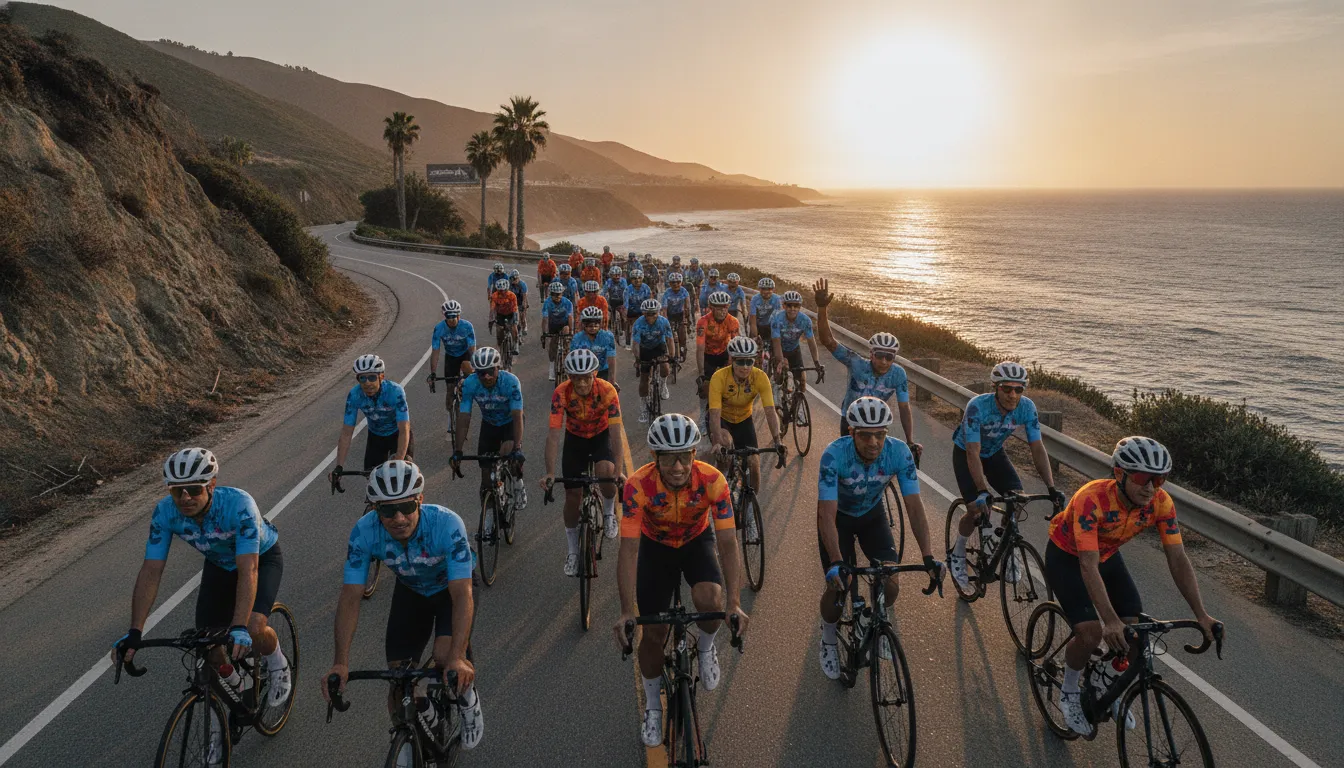
A large group of cyclists wearing team jerseys and riding with a shared purpose is hard to miss. That visibility gives riders a natural opportunity to raise motorists’ awareness of autistic children and the families who share the road with them. Research and community education efforts have specifically identified raising motorists’ awareness of children with autism spectrum disorder as an important part of public understanding. Learning more about motorists’ awareness of ASD children helps put that visibility in context.
Team gear also gives people a simple opening to ask questions. A rider can explain the ride, name its local nonprofit partners, and describe why inclusion matters to them. That exchange may last less than a minute, but it can replace assumptions with a more accurate picture: autistic individuals are members of the community. And families deserve accessible opportunities to participate, connect, and thrive.
Share a personal connection without speaking for everyone
Many riders join because autism is part of their family, friendship circle, workplace, school, or neighborhood. Sharing that connection can make advocacy personal and relatable. The goal is not to present one person’s experience as universal or to speak over autistic people. Instead, riders can listen, use respectful language, and point people toward resources created with the autism community in mind.
A thoughtful story might explain how a local therapy program, sensory gym, recreation opportunity, or community partner supports people in everyday life. It might also acknowledge that every autistic person has different strengths, preferences, communication styles, and support needs. Person-centered advocacy leaves room for those differences while making a clear case for belonging.
Turn miles into local action
Fundraising is another practical form of advocacy. Riders ask friends, relatives, coworkers, and local businesses to support services that affect people in their own communities. They can explain where funds go, share updates from partner organizations, and invite donors to learn more instead of treating a contribution as the end of the conversation. Bike to the Beach directs participant fundraising toward local autism and disability organizations, helping support immediate services and community programs.
Finally, riders advocate by inviting others to participate. A first-time cyclist may need encouragement, a training partner, or reassurance that the event welcomes more than experienced athletes. Extending that invitation, sharing the regional ride registration details, and riding together expands the circle of people who can take action. Inclusion grows when advocacy is visible, respectful, local, and open to everyone who wants to contribute.
The Real Benefits of Cycling for Autistic Riders
Cycling can be more than a way to get from one place to another. For some autistic riders, learning and practicing the skill creates opportunities to build balance, coordination, confidence, communication, and independence. The experience will not look the same for every person, and no single activity should be presented as a universal solution. The right pace, instruction, equipment, and support matter.
Building balance, coordination, and confidence
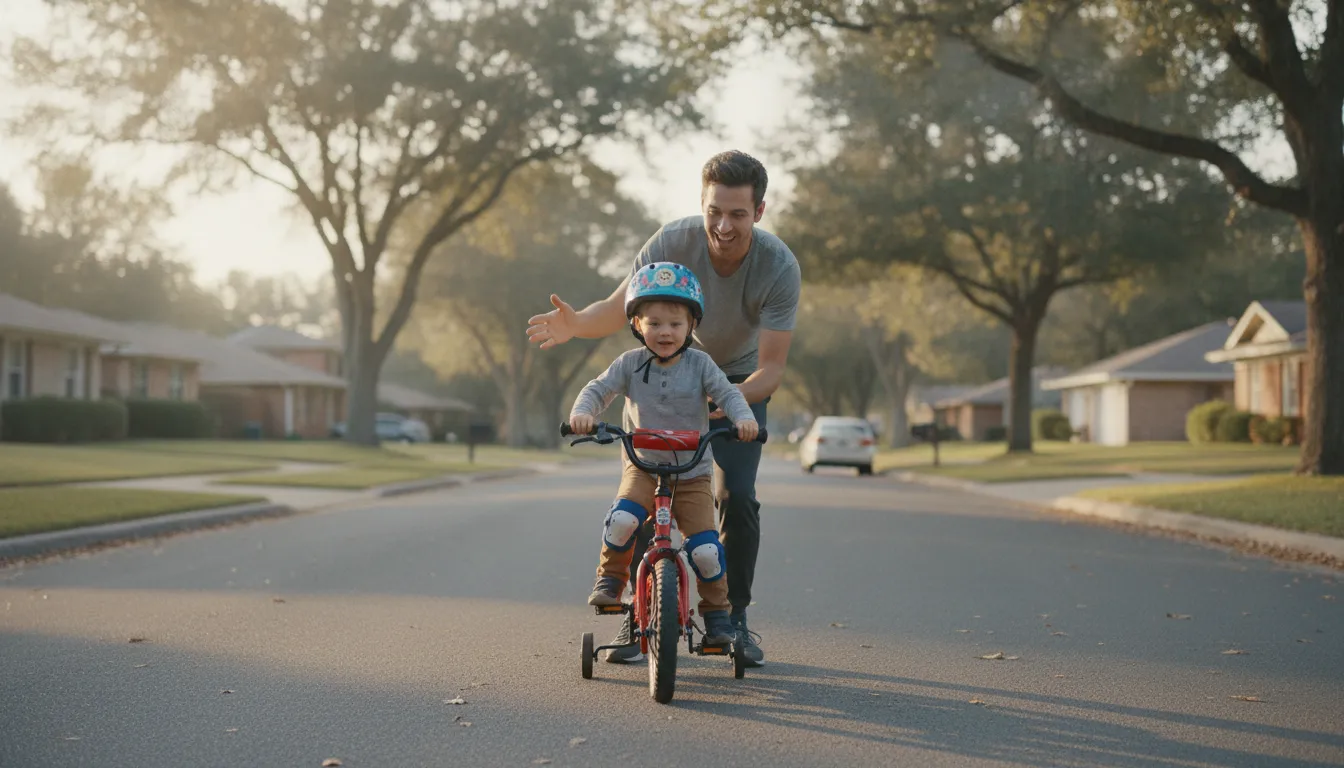
Balance and coordination can be challenging for some children with autism because of neurological factors, according to Autism Parenting Magazine. A carefully structured cycling program gives a rider repeated, practical chances to work on body control, motor planning, and steering. It also turns those skills into a meaningful accomplishment: moving independently, maintaining balance, and completing a route can strengthen a rider’s sense of confidence.
Progress does not have to mean riding on a busy road or completing a long distance. It might mean tolerating a helmet, practicing starts and stops, or riding a few feet farther than last time. Specialized five-day bike camps for children with special needs have reported success rates of about 80 percent. Although that figure comes from one program and should not be treated as a guarantee for every rider. Consistent encouragement and individualized instruction are more important than a fixed timetable.
Supporting communication and executive function
Learning a cycling skill involves more than physical movement. Riders may need to listen for a cue, remember a sequence, make a decision, adjust to changing surroundings, and communicate with a coach or family member. A study indexed by PubMed examined cycling skill acquisition and executive function in children with autism spectrum disorder. Its findings support cycling as a promising structured activity for this area, not as a replacement for clinical care or individualized educational support.
Research has also examined whether bike-riding training can affect communication skills and stereotyped behavior in autistic adolescents. The study is available through PubMed. These findings are encouraging, but they should be read with appropriate care: a study result describes a group. While each rider has distinct strengths, preferences, sensory needs, and goals.
Making activity easier to access as a family
Family support can make regular movement more realistic. In a CDC study of children with special needs. Children whose parents were physically active at least three hours per week were 4.2 times as likely to be physically active themselves. The same research identified barriers including lack of interest and a shortage of developmentally appropriate programs. A welcoming cycling community can help address those barriers by offering structure, social connection, and room for families to participate in ways that feel comfortable.
How to Get Involved in an Autism Bike Ride
You do not need years of cycling experience to take part in a ride that supports autism and disability communities. Start where you are, choose a challenge that fits your life, and use the ride as a practical way to build connection and local impact. These steps can help you move from interest to participation.
- Register for a ride that fits your goals. Choose a regional event and review the route, schedule, fundraising expectations, and available rider resources. For riders in the DMV area, register for an upcoming ride and get the information you need to plan your participation. Registration is the first step toward joining a community that values both fitness and inclusion.
- Choose your distance. Bike to the Beach offers ride distances ranging from 25 to 100 miles, so casual riders and serious cyclists can find an appropriate starting point. A shorter route can be a meaningful first challenge, while a longer distance may suit riders who already train regularly. Consider your current fitness, available preparation time, comfort on the bike, and the kind of experience you want to have. There is no single right way to participate.
- Train in a way that works for you. Build riding time gradually, practice on terrain similar to the route, and make sure your bike fits comfortably. Include rest days and learn how to manage hydration, nutrition, and pacing. If you are new to organized rides, ask event staff or experienced riders about preparation. Training can be structured and ambitious, or it can simply help you feel more confident and comfortable on the course.
- Fundraise for local autism and disability programs. Share why you are riding with friends, family, colleagues, and neighbors. Explain that participant fundraising supports local partner organizations and tangible community needs, including therapy, sensory-focused programs, education, and recreation. A personal story can open the door to conversation, but you do not need to have a family connection to autism to invite others to support your ride. Keep the focus on respect, partnership, and the services available to people and families in the community.
- Show up and ride with the community. On event day, arrive prepared to ask questions, meet fellow riders, and use the support available along the route. Ride at a pace that suits you, encourage others, and make space for different experience levels and access needs. The ride is not only a test of endurance. It is a shared expression of advocacy, visibility, and belonging. Whether you complete 25 miles or 100, your participation helps strengthen a community committed to riding together.
Ride With a Community That Rides Together
A meaningful ride is not measured only by the miles completed. It is also measured by the people you meet, the conversations you start, and the communities you help strengthen. At Bike to the Beach, riders bring different cycling backgrounds and personal connections to autism and disability, then come together around a shared commitment to inclusion.
That community continues beyond the finish line. Riders actively advocate for inclusion by showing up, speaking about the needs of local families, and making space for autistic people as participants, neighbors, and leaders. The ride creates visibility, but the relationships built around it give that visibility a lasting purpose. Every conversation can help replace assumptions with understanding and encourage more welcoming schools, workplaces, recreation programs, and public spaces.
The impact is also designed to stay close to home. One hundred percent of participant fundraising goes to local partner organizations, helping support tangible services such as therapy, sensory gyms, educational programs, and recreation. That local model lets riders see how their effort contributes to stronger opportunities for people and families in their own communities rather than treating autism as an abstract cause.
Riding with Bike to the Beach is one way to participate in that work. Whether you are an experienced cyclist, returning to the bike, or joining because someone you love is autistic. You can learn more about our mission and the people behind the community, then explore the autism charity bike ride guide for a broader look at the issues families navigate. When you are ready to take the next step, visit the Bike to the Beach homepage to find your regional ride and connect with fellow advocates.
You do not have to ride alone to make a difference. Join a community that trains together, fundraises together, and keeps advocating together, one mile and one relationship at a time.
Register for an upcoming Bike to the Beach ride
Frequently Asked Questions
How does cycling benefit children on the autism spectrum?
Cycling can help children practice balance, coordination, motor planning, and confidence in a structured activity. Research has also examined cycling skill acquisition in relation to executive function, while a separate study explored improvements in communication and stereotyped behavior after bike-riding training. Results vary by person, so instruction should be adapted to each rider’s needs. Research on cycling skill acquisition and executive function provides additional context.
What is the connection between bike rides and autism awareness?
A community bike ride makes advocacy visible. Riders start conversations, bring attention to local accessibility and support needs, and raise funds for services that families can use now. This can include therapy, sensory-friendly recreation, and other community programs. The goal is not to speak over autistic people, but to help create more informed, welcoming communities.
Can cycling support sensory needs for autistic riders?
It can for some riders, but sensory preferences differ widely. The predictable rhythm, outdoor space, and focused movement may feel comfortable for one person, while traffic, noise, weather, or crowds may feel overwhelming for another. A supportive approach includes route planning, breaks, familiar equipment, and the freedom to participate at the rider’s pace. Ask the rider and their support team what makes the experience workable.
What challenges can arise when learning to ride a bike?
Balance, coordination, motor planning, attention, and confidence may affect the learning process. Families may also encounter limited access to developmentally appropriate programs, which the CDC has identified as a barrier to physical activity for children with special needs. Patient instruction, repetition, safety equipment, and an individualized progression can help.
How do community rides promote inclusion for autistic people?
They create a shared activity where autistic riders, families, volunteers, cyclists, and local organizations contribute to one community goal. Participation can build visibility, relationships, and independence while connecting fundraising to immediate local support. Inclusion is strongest when autistic people help shape the experience and are welcomed as participants, advocates, and neighbors.
Ready to Ride for Autism Inclusion?
Register for an upcoming Bike to the Beach ride and turn time on the road into a visible expression of community inclusion. You will ride alongside people who believe advocacy grows through participation, connection, and shared purpose. Get started by registering for a ride, then invite others to join you.