
What Is a Cycling Event for Disabilities? A Guide
Join a cycling event for disabilities and make a real impact in your community. Learn how to participate, fundraise, and support inclusive cycling events.

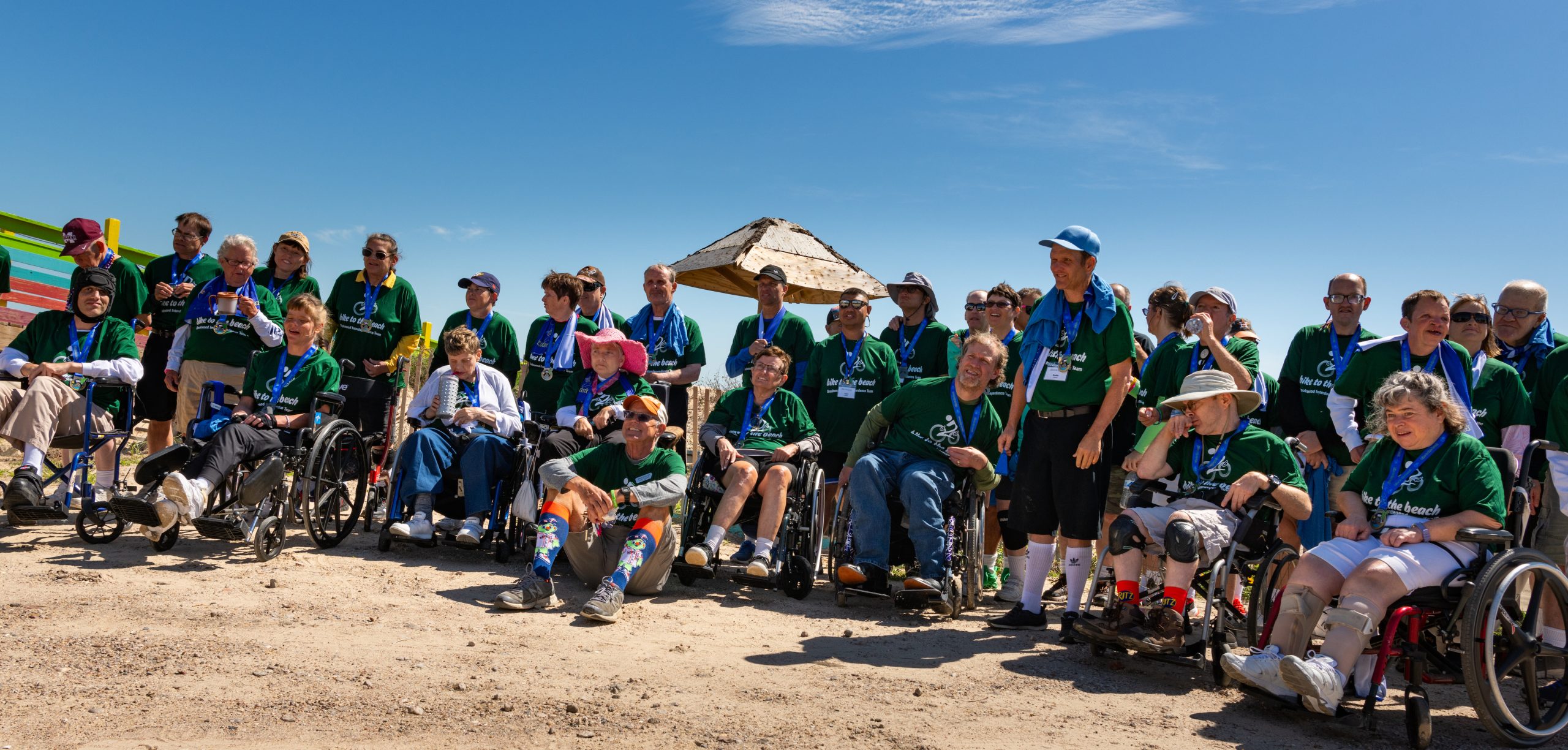
Finding a community that shares your drive to make a difference is a powerful feeling. That’s exactly what you’ll discover at a charity bike ride. It’s where people from all walks of life unite for one inspiring goal: to support individuals with autism and other disabilities. The energy is electric, built on mutual encouragement and a shared mission. You’ll ride alongside new friends, connect with families in your community, and join a network that lasts long after the event ends. A cycling event for disabilities is more than a fundraiser—it’s a movement proving we are always stronger when we ride together.
Key Takeaways
- Fundraise for your own backyard: Every dollar you raise stays in your local community, directly funding essential programs and services for individuals with autism and other disabilities.
- Find a ride that fits you: Charity rides are designed for all skill levels, offering multiple distance options, fully supported routes, and a welcoming environment for adaptive cyclists, so you can participate in a way that feels right.
- Make an impact off the bike: You don’t have to ride to be part of the movement. You can make a significant contribution by volunteering, donating to a rider, or becoming a corporate sponsor to help power the mission.
What is a Charity Cycling Event for Disabilities?
A charity bike ride for disability is more than just a cycling event. It’s a powerful, community-driven movement where people of all abilities pedal with purpose. Participants ride to raise vital funds and awareness for organizations that support individuals with autism and other disabilities, creating a tangible impact with every mile. These events bring together cyclists, volunteers, and supporters who are passionate about making a difference, transforming a personal challenge into a collective celebration of strength, inclusion, and community spirit.
How Does Community-First Fundraising Work?
The heart of a charity ride is its community-first fundraising model. When you register, you’re not just signing up for a bike ride; you’re committing to a cause. Each rider fundraises by sharing their story and inviting friends, family, and colleagues to contribute. This collective effort creates a powerful network of support that extends far beyond the cycling community. The personal commitment involved in training and fundraising fosters a deep sense of connection among participants, who share a common goal. It’s this shared purpose that transforms a group of individual riders into a unified team making a difference.
How Your Ride Creates Lasting Local Impact
The impact of a charity ride extends long after you cross the finish line. At Bike to the Beach, we believe in local impact, which is why the funds you raise stay right in your community. This money directly supports our local nonprofit partners, empowering them to provide essential programs and services year-round. By participating in one of our New England rides, for example, you’re helping to strengthen the disability community in your own backyard. These events build lasting relationships, celebrate the abilities of every individual, and create a more inclusive and supportive environment for all.
Making Cycling Accessible for All Abilities
Cycling is a sport for everyone, and adaptive cycling makes that a reality. This approach uses specialized equipment, like handcycles, tandems, and recumbent bikes, to ensure individuals with physical disabilities can participate fully and safely. Adaptive cycling offers incredible benefits, from improving physical health to fostering confidence and social connection. We are committed to creating an inclusive environment where riders of all abilities can share the road. Whether you’re a seasoned cyclist or new to adaptive sports, there’s a place for you here. It’s about celebrating what’s possible and riding together as one community.
Types of Adaptive Cycling Events and Programs
Once you discover the world of adaptive cycling, you’ll find there are so many ways to get involved. From large-scale charity events to local weekly meetups, there’s an option that fits your goals, schedule, and comfort level. These events are all designed to build community, foster independence, and celebrate the joy of cycling. Whether you want to fundraise for a cause close to your heart, build your skills on a new piece of equipment, or simply meet other riders, the adaptive cycling community has a place for you. Exploring these different programs is a great way to find your fit and start your journey on two (or three) wheels.
Charity Rides
A charity bike ride for disability is more than just a cycling event. It’s a powerful, community-driven movement where people of all abilities pedal with purpose. Participants ride to raise vital funds and awareness for organizations that support individuals with autism and other disabilities, creating a tangible impact with every mile. These events, like our Bike to the Beach New York ride, are fully supported and designed for all skill levels, with multiple distance options to choose from. You get to challenge yourself physically while being part of something much bigger—a community that rallies together to make a real, local difference. It’s an incredible opportunity to connect with others, share stories, and cross a finish line that symbolizes a collective victory.
Weekly Community Programs
If you’re looking for a more regular way to ride and connect with others, weekly community programs are a fantastic option. These recurring events provide a consistent and supportive environment for people with disabilities to participate in cycling activities. Often focused on special routes or bikes for adaptive riders, they are perfect for building skills, gaining confidence, and forming lasting friendships. Organizations across the country host these meetups, creating a space where you can simply show up and enjoy the ride without the pressure of a large-scale event. You can find listings for adaptive cycling events happening near you to discover local groups that meet regularly.
Adaptive Sports Expos
For anyone new to adaptive cycling or looking to explore the latest equipment, an adaptive sports expo is the place to be. These events bring together manufacturers, community organizations, and athletes in one place, giving you a chance to see, touch, and even try out different types of adaptive bikes. It’s a low-pressure environment to ask questions, learn from experts, and connect with the resources available in your area. Expos are often part of larger community events, like the DC Family Bike Fest, making them a fun outing for the whole family. They serve as an excellent starting point for discovering what technology and support systems can help you or a loved one get on a bike and start riding.
Free Skills Clinics
If you want to try handcycling or a recumbent trike but aren’t sure where to start, a free skills clinic is a perfect first step. Hosted by organizations like Burke Rehabilitation Hospital and Achilles International, these clinics offer hands-on instruction in a safe and encouraging setting. You don’t need any experience—just a willingness to learn. Coaches and volunteers are there to guide you, help you get comfortable with the equipment, and teach you the basics. It’s an empowering way to build confidence before joining a group ride or a larger event. Many clinics are free, though they often require you to sign up in advance to reserve your spot and your bike.
How Your Ride Supports the Disability Community
When you join a charity bike ride, you’re doing more than just covering miles. Every push of the pedal sends a ripple of positive change through your local community. Your participation helps fund essential programs, challenges outdated perceptions, and builds a more inclusive world for individuals with autism and other disabilities. It’s about turning your energy into tangible action and creating opportunities where they’re needed most.
How Your Fundraising Powers Local Programs
The funds you raise don’t just disappear into a national pot. At Bike to the Beach, we partner with local disability and autism nonprofits, so the money you raise stays right in your community. This direct-impact model means your efforts help power essential services like job training programs, social skills groups, family support resources, and educational workshops. You’re providing the fuel for organizations that empower individuals with disabilities to learn, grow, and connect. It’s a powerful way to see exactly why we bike and how your contribution makes a difference at home.
Understanding Fundraising Minimums
A fundraising minimum is simply a goal set for each rider to ensure our collective effort makes a real, predictable impact for our local partners. We know that number can seem daunting at first, but it’s a crucial part of our community-first model. This commitment allows our nonprofit partners—the ones serving families in your area—to plan their budgets and confidently provide year-round services. Think of it as a promise. Reaching your goal is an incredibly rewarding experience that connects you more deeply to the mission, and you’re never on your own. It’s an opportunity to share why you ride and invite your friends and family to join a movement that creates lasting change right in your own backyard.
More Than Miles: Raising Awareness for Disability Inclusion
A charity ride is a moving billboard for inclusion. When hundreds of cyclists take to the road, it captures attention and starts important conversations. Your ride becomes a visible, public statement that celebrates the abilities and contributions of people with disabilities. By sharing your journey and fundraising goals, you invite your friends, family, and colleagues to learn more about the cause. This collective action helps break down social barriers and challenge misconceptions, creating a more welcoming and understanding community for everyone. Each rider becomes an advocate, spreading a message of acceptance one mile at a time.
Building an Inclusive Community, Together
A charity ride is where community happens. It brings together people from all walks of life, with and without disabilities, to work toward a shared goal. The energy on event day is built on mutual support, encouragement, and a collective sense of purpose. This experience fosters meaningful connections and friendships that last long after you cross the finish line. By participating, you become part of a network dedicated to making a difference. These events prove that we are stronger together, creating a space where everyone belongs and is celebrated for who they are.
Supporting Independence and Skill-Building
For many, training for and completing a ride is a journey of personal growth. It builds confidence, resilience, and a powerful sense of accomplishment. For individuals with disabilities, participating in an event like this can be a transformative experience in developing independence. The funds raised also support programs that provide access to adaptive sports equipment and skill-building activities. These opportunities help individuals discover new strengths and passions. By supporting our service provider partners, your ride helps create pathways for people to gain new skills and live more self-determined lives.
Your First Charity Ride: What to Expect
Joining a charity bike ride is an amazing way to challenge yourself while making a real difference. If you’re new to the experience, it’s natural to have questions about how it all works. From the moment you sign up to the second you cross the finish line, these events are designed to be supportive, fun, and impactful. You’ll find a welcoming community ready to cheer you on every pedal of the way. Let’s break down what you can expect on ride day, so you can feel confident and prepared for an unforgettable journey.
How to Register and Start Fundraising
When you join a charity ride, you’ll typically see a registration fee and a fundraising minimum. The fee helps cover the costs of putting on a safe and fully supported event, while your fundraising is what directly powers the mission. This two-part structure ensures that every dollar you raise goes toward making a tangible impact. At Bike to the Beach, your fundraising efforts directly support local autism and disability organizations in your community. We provide you with all the tools and support you need to meet your goal, making it simple to share why we bike and inspire your network to give.
Typical Registration Costs
Registration fees for charity bike rides can vary quite a bit, ranging from a small commitment to a more significant investment, depending on the event’s scale. It’s crucial to see this fee as separate from your fundraising. Think of it as your all-access pass to a safe, fully supported, and unforgettable experience. This fee covers all the behind-the-scenes logistics—like route support, stocked rest stops, permits, and your official rider t-shirt. By handling these operational costs, we ensure that every single dollar you fundraise goes directly to our local nonprofit partners. So when you sign up for a ride, you’re making two powerful commitments: one to an incredible personal challenge, and another to strengthening your community.
What Does a “Fully Supported Route” Mean?
One of the best parts of a charity ride is that you can focus on the journey, not the logistics. Our routes are fully supported from start to finish. This means you’ll find well-stocked rest stops every 15-20 miles, complete with water, sports drinks, snacks, and cheering volunteers to keep your energy high. We also have support and gear (SAG) vehicles patrolling the course, along with mechanical and medical support, to ensure you have help if you need it. This level of care allows you to soak in the experience, connect with fellow riders, and enjoy the ride, knowing our team has your back.
On-Route Mechanic and Medical Support
Nothing should stand between you and the finish line, especially not a flat tire. That’s why our rides include on-route mechanical and medical support to handle any unexpected bumps in the road. Our support and gear (SAG) vehicles constantly patrol the course, ready to assist with bike repairs or give you a lift if you need a break. We also have trained medical personnel on standby to ensure your safety from start to finish. This comprehensive support system is a core part of our commitment to creating a safe and inclusive event, allowing you to ride with confidence and focus on the incredible reasons we ride.
Rest Stops and Hydration Stations
Keeping your energy high is key to a great ride, and our rest stops are designed to do just that. Located every 15-20 miles, these stations are more than just a place to refill your water bottle—they’re hubs of positive energy. You’ll find them fully stocked with water, sports drinks, and plenty of snacks to keep you fueled. More importantly, you’ll be greeted by our amazing volunteers, whose cheers and encouragement will give you the push you need to keep pedaling. These stops are a perfect chance to stretch, refuel, and connect with fellow riders on your journey to one of our scenic beach destinations, like our Florida ride.
Finish Line Celebrations and Event Swag
Crossing the finish line is a moment of pure joy and accomplishment, and we make sure to celebrate it right. As you complete your ride, you’ll be welcomed by a vibrant celebration filled with food, drinks, and the incredible camaraderie of the Bike to the Beach community. It’s a time to relax, share stories with other riders, and soak in the impact of what we’ve all achieved together. You’ll also receive some well-deserved event swag, including a commemorative t-shirt and medal, to remember your amazing contribution. It’s the perfect end to a day dedicated to making a difference and a great way to show off your accomplishment with official Bike to the Beach gear.
Transportation and Logistics
Organizing a large-scale cycling event involves a lot of moving parts, but we handle the details so you don’t have to. From mapping out safe and scenic routes to coordinating with local officials, our team manages all the behind-the-scenes logistics. We also arrange for transportation options to help you and your bike get to the start line and back home from the finish line. Our goal is to make your experience as smooth and stress-free as possible, allowing you to focus on your training, fundraising, and the ride itself. If you ever have questions about the specifics of an event, you can always contact us for more information.
Choose Your Challenge: Distances for Every Rider
You don’t need to be a professional cyclist to join a charity ride. Events like Bike to the Beach are designed for people of all abilities and experience levels. We offer several distance options, from shorter, more casual routes to a full 100-mile century ride. This flexibility allows you to choose a challenge that feels right for you. Whether you’re a seasoned rider or clipping in for the first time, there’s a place for you here. The key is to prepare for your chosen distance, and we’ll be there to celebrate your accomplishment at the finish line.
Multiple Route Options
Charity rides are designed for all skill levels, and that means you get to pick a distance that works for you. Whether you’re looking for a fun, shorter ride or ready to tackle a full century, there’s an option that fits your goals. For example, our New England ride offers multiple start points, allowing you to choose from routes ranging from 25 to 100 miles. This flexibility ensures that everyone, from casual riders to seasoned cyclists, can participate in a way that feels both challenging and achievable. It’s all about setting a personal goal, joining a supportive community, and riding with purpose, no matter the distance you choose to cover.
Team Relay Participation
You don’t have to ride the entire distance alone to be part of the experience. Forming a relay team is a fantastic way to share the miles and the mission with friends, family, or coworkers. In a relay, your team works together to complete the full route, with each member riding a specific segment. This approach makes the event accessible to everyone, regardless of their individual endurance. It’s an inclusive option that emphasizes teamwork and collective effort, turning a personal challenge into a shared accomplishment. Anyone can ride and contribute to the team’s success, making it a perfect opportunity for corporate wellness groups or families to ride for a cause together.
Bike Rental Availability
Don’t have a bike? Don’t let that stop you. Many charity rides, including Bike to the Beach, understand that not everyone owns road-ready equipment. To make our events as accessible as possible, we often partner with local bike shops to provide rental options for participants. This is part of our commitment to offering a fully supported experience, removing barriers so that anyone who wants to ride for the cause can do so. If you need a bike for the event, be sure to check the registration details for your specific ride or contact our team. We can help you find the resources you need to get you geared up and ready for the starting line.
What Accessibility Support is Available?
Inclusivity is at the heart of everything we do. We believe cycling is for every body, and we are committed to making our events accessible to riders with disabilities. Cycling offers incredible benefits for mobility, health, and community connection. We welcome and support riders who use handcycles, recumbent bikes, tandems, and other forms of adaptive sports equipment. Our team is here to ensure you have what you need to participate safely and fully. If you have questions about accessibility or specific needs, please don’t hesitate to reach out to us.
How to Prepare for Your Charity Ride
Getting ready for a big ride is part of the adventure. Whether you’re a seasoned cyclist or new to the sport, a little preparation goes a long way in making sure you have a safe, comfortable, and fun experience. The key is to focus on what you need, create a plan that works for you, and remember that our entire community is here to support you from your first training ride to the finish line. Let’s get you set up for success.
What to Bring: Your Gear and Safety Checklist
Having the right gear is less about looking the part and more about staying safe and comfortable. Before you start training, make sure your bike is in good working order with a quick tune-up. From there, focus on the essentials that will protect you and make the miles feel easier. A properly fitted helmet is the most important piece of equipment you’ll own. You’ll also want comfortable cycling clothes, supportive shoes, and padded gloves to prevent soreness. Don’t forget sunglasses to protect your eyes and a water bottle to stay hydrated. For a more detailed list, you can review a complete race day checklist to ensure you haven’t missed anything.
A Guide to Adaptive Cycling Equipment
Cycling is for every body, and adaptive equipment makes it possible for people of all abilities to participate. The world of adaptive cycling is full of incredible options designed to match a rider’s specific needs. Handcycles, for example, are powered by your arms and are a great choice for individuals with limited leg mobility. Tandem (two-person) bikes allow a rider with a visual impairment to team up with a sighted captain. Recumbent bikes offer extra stability and back support, while e-assist models provide a power boost to help with hills or longer distances. If you have questions about what equipment might be right for you, our team is here to help.
Common Types of Adaptive Bikes
Adaptive bikes are all about creating solutions so everyone can experience the freedom of cycling. These aren’t just modified standard bikes; they are thoughtfully engineered pieces of equipment designed for safety, comfort, and performance. The most common types you’ll see are handcycles, which are powered by the arms and perfect for riders with limited leg function. Tandem bikes allow two people to ride together, making them a fantastic option for cyclists with visual impairments who can team up with a sighted captain. You’ll also see recumbent bikes and tricycles, which offer a lower center of gravity and greater stability, providing excellent support for riders who need extra balance or back support.
Customizations and Accessories
No two riders are exactly alike, and adaptive bikes reflect that. Nearly every aspect of an adaptive bike can be tailored to fit a person’s specific needs, ensuring a comfortable and efficient ride. Customizations can range from specialized seating systems and harnesses for postural support to unique handlebar configurations and braking systems that can be operated with one hand. Pedal adaptations, one-sided cranks, and electronic-assist motors are also common modifications that make cycling more accessible. The goal is to create a bike that feels like a natural extension of the rider, removing barriers and making it possible to just enjoy the journey. This level of personalization is key to building confidence and independence on the road.
The Average Cost of an Adaptive Bike
It’s important to be upfront: adaptive bikes are a significant investment. Because they are specialized equipment, often built to order with high-quality materials, their cost is higher than that of a standard bicycle. Prices can range from a few thousand dollars to over $10,000, depending on the type of bike and the extent of the customizations needed. While this can feel daunting, please don’t let it be a barrier. Many incredible organizations and grant programs exist specifically to help offset these costs. Groups like the Challenged Athletes Foundation provide grants that can help individuals acquire the equipment they need to get moving and stay active.
Will Insurance Cover an Adaptive Bike?
This is one of the most common questions, and the answer can be complicated. While some insurance plans may cover a portion of the cost, it’s not always a guarantee. Coverage often depends on whether the bike can be classified as durable medical equipment (DME). To improve your chances, it’s essential to work with your doctor or physical therapist to get a letter of medical necessity that clearly outlines why the adaptive bike is essential for your health and well-being. The process often requires persistence and a lot of paperwork, but it can be worth the effort. We recommend connecting with advocacy organizations that can offer guidance on navigating the insurance system.
How to Train for Your First Charity Ride
Your training journey should be just as rewarding as the event itself. The best approach is to start where you are and build gradually. Consistency is more important than intensity, so aim for a schedule you can stick with. Start with shorter rides to build your confidence and endurance, slowly adding more miles each week. Remember to incorporate rest days to allow your body to recover. It’s also helpful to practice riding in different conditions, like on breezy or sunny days. If you want to explore more structured plans, there are many great online guides for charity cycling challenges that can help you create a schedule.
How to Overcome Common Training Hurdles
Everyone faces challenges during training, and the key is knowing you don’t have to solve them alone. If you’re feeling unsure about your training or need advice on adaptive equipment, reach out. Our community is a fantastic resource for support and encouragement. Connecting with other riders can provide motivation and practical tips for everything from nutrition to pacing. Remember, Bike to the Beach is an inclusive event designed to support every participant. If you encounter any hurdles or have questions about accessibility, please contact us. We are committed to helping you have a positive and successful training experience.
Not a Rider? How You Can Still Make an Impact
Love the cause but cycling isn’t your thing? No problem. The Bike to the Beach community is so much more than the people on two wheels. It’s a network of advocates, volunteers, families, and partners working together to create real, local change for people with autism and other disabilities. Your energy, skills, and support are essential to making our rides happen.
Whether you’re an individual looking to give back, a family wanting to get involved, or a company committed to community impact, there’s a meaningful role for you. You can be the friendly face a rider sees at a rest stop, the passionate fundraiser who rallies their network, or the dedicated partner whose support makes it all possible. Here are a few powerful ways you can contribute off the bike.
Partner With Us: Corporate Sponsorship Opportunities
Align your company’s values with a mission that strengthens your local community. When you become a sponsor, you’re not just getting brand visibility; you’re investing in local disability programs and showing your employees and customers what you stand for. We offer a range of partnership opportunities that can help you meet your corporate social responsibility goals, from sponsoring a rest stop to becoming a presenting partner. It’s a fantastic way to engage your team, build morale, and connect with a cause that resonates right in your backyard.
Join the Team: Volunteer Your Time and Skills
Volunteers are the heart and soul of our events. We simply couldn’t do it without the incredible people who show up to make ride day a safe, fun, and memorable experience for everyone. There are roles for all interests and abilities, whether you want to help with rider check-in, manage a water station, or cheer at the finish line. Volunteering is a hands-on way to see the mission in action, meet amazing people, and be part of an inspiring community effort. Find a ride in your area to see how you can get involved.
Start or Join a Fundraising Team
You don’t need a bike to be a fundraising powerhouse. By starting or joining a team, you can use your voice and your network to rally support for our local nonprofit partners. Gather your friends, family, or coworkers and set a collective goal to make a difference together. It’s a creative and social way to contribute, allowing you to share why we bike and invite others to be part of the movement. Your efforts ensure that local organizations have the resources they need to serve individuals and families all year long.
Donate to Support a Rider or Cause
Every single dollar makes a direct impact. When you donate to a rider or a team, you’re not just helping them reach their fundraising goal; you’re fueling essential programs and services in your own community. Your contribution, no matter the size, helps our local partners provide everything from job training to family support services. It’s one of the most direct ways to show your support and be part of the change. You can easily find a rider or event to support online and know that your generosity stays local.
Related Articles
- Bike Fundraising Events: Your Step-by-Step Guide
- How to Join a Charity Bike Ride for Autism
- From Cookies to Community Impact | Autism Charity Bike Ride Story – Bike to the Beach
- Community – Bike to the Beach
Frequently Asked Questions
Do I need to be an expert cyclist to join a Bike to the Beach ride? Absolutely not. Our rides are designed for people of all skill levels, from first-time charity riders to seasoned cyclists. We offer several distance options at each event, so you can choose a route that feels comfortable and challenging for you. The goal is to participate and support the community, not to race.
Where does the money I fundraise actually go? The funds you raise stay directly in the community where the ride takes place. We partner with local autism and disability nonprofit organizations, so your fundraising efforts provide direct support for essential programs and services for families in your own region. It’s a powerful way to see your hard work create a tangible, local impact.
What if I have a disability or need an adaptive bike? We are committed to making our rides inclusive and accessible for people of all abilities. We welcome and support riders who use adaptive equipment like handcycles, tandems, and recumbent bikes. Our goal is to create a safe and empowering experience for every participant. If you have questions about accessibility or equipment, please contact our team so we can help you prepare.
What does it mean when you say the ride is “fully supported”? A fully supported ride means we handle all the logistics so you can focus on your journey. You can expect well-stocked rest stops every 15-20 miles with snacks, drinks, and volunteers to cheer you on. We also have support vehicles, mechanics, and medical staff along the entire route to ensure you have help available if you need it.
I’m not a cyclist, but I want to support the cause. What are the best ways to help? There are many impactful ways to contribute without ever getting on a bike. You can volunteer on event day, donate to a rider or team, or even start your own fundraising page to rally your network. Our volunteers are essential to making the event a success, and every dollar donated directly fuels our local partners. Your support, in any form, makes a huge difference.