

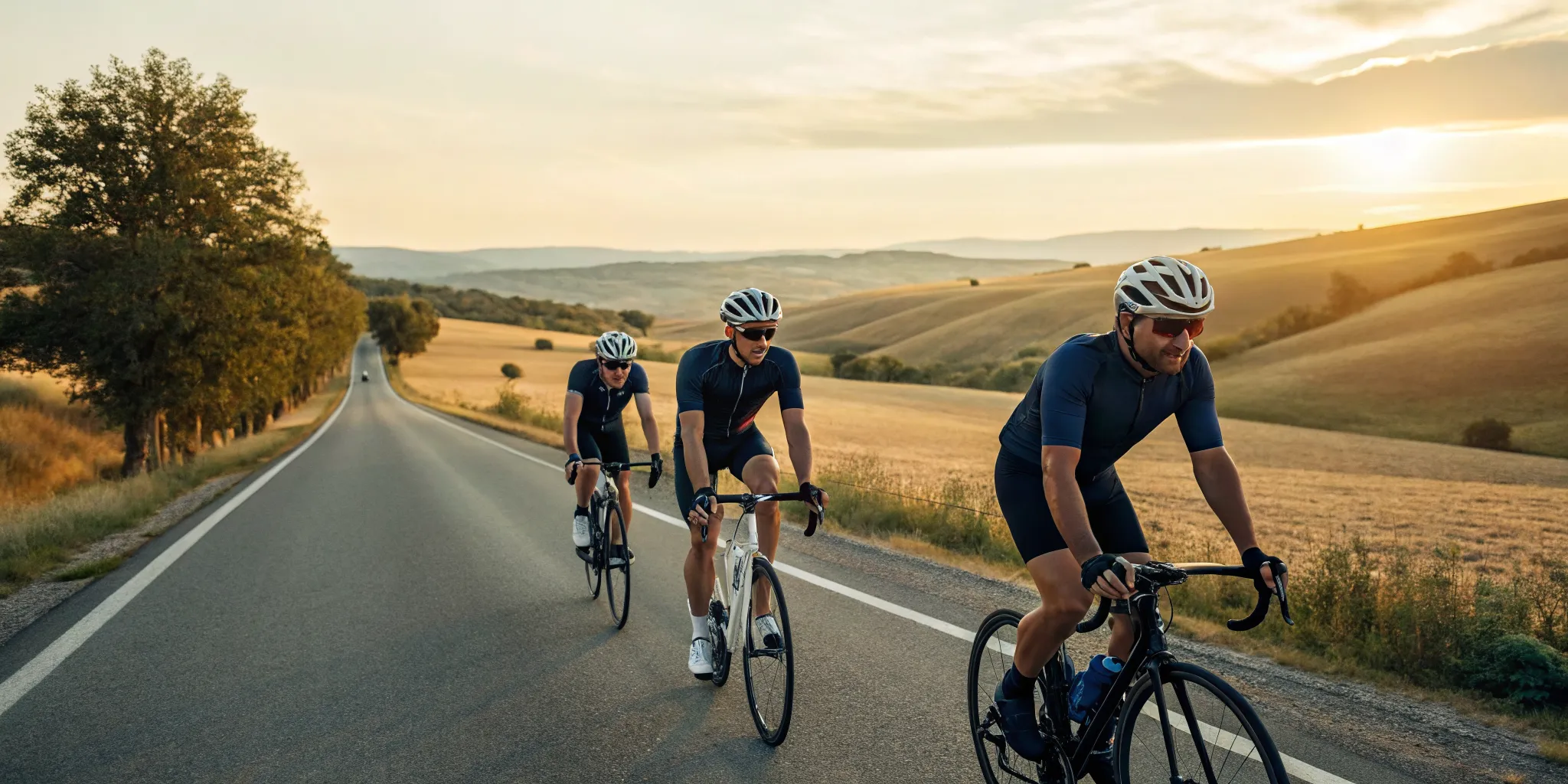
Your Complete Guide to a Charity Century Ride
Get practical tips for training, fundraising, and making an impact with your charity century ride. Join a supportive community and ride for a cause.

For many cyclists, there’s always the next goal on the horizon: a longer distance, a tougher climb, a new finish line to cross. But what if your next great athletic accomplishment could also be a monumental victory for your community? A charity century ride offers exactly that, blending the personal thrill of pushing your limits with the profound reward of giving back. It’s a chance to make the toughest 100 miles of your life the most meaningful ones, too. This is your playbook for taking on the challenge. We’ll cover everything from the essential gear and training strategies to fundraising tips that will help you make the biggest possible impact for a cause you believe in.
Key Takeaways
- Connect your ride to a cause you love: A charity ride is fueled by purpose. Choosing an event with a mission that resonates with you, like supporting local autism and disability partners, turns the challenge of training and fundraising into a rewarding experience.
- Prepare beyond the bike: A successful century ride depends on more than just physical training. A solid plan includes gradually increasing your mileage, using a simple fundraising strategy, and getting the right gear to keep you safe and comfortable on the road.
- Your fundraising makes a local difference: Knowing where your money goes is a powerful motivator. With Bike to the Beach, every dollar you raise stays in your region, directly supporting local programs and families impacted by autism and other disABILITIES.
What is a Charity Century Ride?
A charity century ride is an organized cycling event where participants ride 100 miles to raise money and awareness for a cause. It’s a powerful way to combine a personal athletic challenge with a shared community mission. While the 100-mile distance is the classic goal, most events, including ours, offer shorter routes so cyclists of all levels can join in.
These rides are more than just a long day on a bike. They are vibrant, moving communities of people pedaling with purpose. You get the thrill of pushing your limits and the incredible feeling of crossing a finish line, all while making a tangible difference for a cause you care about.
The 100-Mile Ride with a Mission
At its heart, a charity century ride is about channeling your energy into something bigger than yourself. It’s a perfect blend of recreation and contribution. You train, you prepare, and you ride, but every mile is fueled by the knowledge that your effort supports a meaningful mission. For us, that mission is creating a more inclusive world for the autism and disability community.
This dual purpose is what makes these events so special. You’re not just a cyclist; you’re an advocate. You’re not just training for a race; you’re preparing to show up for your community. It’s an opportunity to connect your personal goals with a collective impact, which is exactly why we bike.
How Charity Century Rides Work
Joining a charity ride is straightforward because nonprofit organizations handle all the logistics. All you have to do is sign up, fundraise, and ride. When you register, you typically commit to raising a specific amount of money. Don’t worry, you’ll get plenty of tools and support to help you reach your goal.
On event day, you can expect a fully supported experience. This means rest stops with food and water, mechanical support for your bike, and a clearly marked route to keep you on track. From our New England ride to our Florida ride, we create a safe and encouraging environment where you can focus on the ride and the reason you’re there.
Why Your Miles Matter Locally
Every pedal stroke in a charity ride creates a ripple effect of good. These events are about purpose, and that purpose feels even stronger when you know exactly who you’re helping. While some events send funds to a national headquarters, we believe in the power of local impact. The money you raise stays right in your community, supporting local families and programs.
This means your hard work directly empowers the autism and disability service providers in your own backyard. You’re helping your neighbors access resources, find support, and build community. It transforms the ride from a simple fundraiser into a powerful act of local solidarity, strengthening the very place you call home.
How to Find and Choose the Right Charity Ride
Finding the right charity ride is about connecting your passion for cycling with a cause that truly matters to you. When you find that match, every mile feels more meaningful. The key is to look for an event that not only challenges you physically but also aligns with your values and provides a supportive, fun community. Think about what you want to achieve, both on and off the bike—a scenic route, a powerful mission, or a great finish-line party. The best events offer all three.
Find Your Perfect Ride
Start by thinking about the causes you care about. When you’re passionate about the mission, fundraising and training feel less like work and more like part of the adventure. A great place to begin your search is online, but don’t forget to ask around your community. Your local bike shop or cycling clubs can be great resources for finding events. The goal is to find an organization whose story resonates with you. Understanding the why behind the ride can give you the motivation you need to pedal through the toughest parts of your training.
Choose an Event That Fits You
Once you have a few options, look at the details. First, consider the organization itself. Where does the money go? At Bike to the Beach, for example, all funds raised stay local to support autism and disability partners in your community. Next, check the ride logistics like distance options, on-route support, and location. Whether you’re looking for a ride in New England or Florida, make sure the event is a good fit for your skill level and schedule. A great event should feel both challenging and achievable.
Signing Up: What to Know
Joining an organized charity ride is the most straightforward way to get started. Organizers handle all the logistics, from mapping the route to coordinating rest stops, so you can focus on training and fundraising. When you register, look for key information like the registration fee, fundraising minimum, and what’s included. Many rides provide a team jersey, on-route support, and a celebration at the finish line. If you have questions, don’t hesitate to reach out. Most organizations have a team ready to provide tech support and guide you.
How to Crush Your Fundraising Goals
Fundraising is a core part of the Bike to the Beach experience. It’s how we turn our miles into meaningful action for local autism and disability communities. Hitting your fundraising goal is totally achievable, and we’re here to help you get there. Think of it as another part of your training, one that strengthens your connection to the cause and your community. Here are some practical strategies to help you meet and exceed your goal with confidence.
Understanding Fundraising Minimums
First, let’s talk about the fundraising minimum. Think of it not as a hurdle, but as the first goal you’ll achieve on your journey to the finish line. This minimum ensures that every rider’s effort directly contributes to our local nonprofit partners, making a real impact in the community. It’s a collective commitment that powers the entire event. When you ask for donations, share your personal reason for riding and the mission behind the miles. And when someone donates, thank them with the same passion you used for the ask. A personal note or a social media shout-out goes a long way and makes it easier to ask for their support again next year.
Fundraising Strategies That Actually Work
The most effective fundraising starts with a simple, direct ask. Begin with your inner circle: family, friends, and colleagues. Use email and social media to share your fundraising page link and explain why this cause matters to you. Don’t be afraid to follow up! People are busy and often appreciate a gentle reminder. You can also connect with local businesses. Many companies are looking for ways to give back to the community and might be willing to donate, match funds, or even become a sponsor. A personal visit or a thoughtful email can open up incredible opportunities for support.
Get Creative: Fundraising Ideas You’ll Love
Want to go beyond the direct ask? Host a fun event to bring people together for the cause. You could organize a raffle by asking local businesses to donate prizes, host a bake sale at your office, or plan a fundraising night at a local restaurant. Another great idea is to create your own merchandise. You could design team t-shirts or water bottles and sell them to friends and family, with all profits going toward your goal. Check out the official Bike to the Beach shop for inspiration! These creative approaches make fundraising feel less like an obligation and more like a celebration of community.
How to Build Your Support Crew
You don’t have to fundraise alone. In fact, the most successful fundraisers build a team of supporters who are just as passionate as they are. Invite friends, family, or coworkers to join your team and ride with you, or ask them to help spread the word about your ride. Share your training progress and fundraising milestones on social media to keep your network engaged and invested in your journey. Remember, people give to people. By sharing your story and inviting others to be part of it, you’re building a powerful support crew that will cheer you on all the way to the beach. Ready to get your team started for the New England ride?
Get Ready: Training and Gear for Your Ride
Signing up for a century ride is a huge first step. Now, it’s time to prepare for the journey ahead. Getting ready is about more than just logging miles; it’s about setting yourself up for a safe, strong, and enjoyable ride day. A little preparation goes a long way in building your confidence and making sure you cross that finish line with a smile. This guide covers the four key areas of preparation: your gear, your training, your mindset, and your fuel. Let’s get you ready to ride.
Gear Up: Your Essential Checklist
Having the right gear makes every mile more comfortable and safe. You don’t need the most expensive equipment, just the right equipment for you. Before you buy a new bike, it’s a great idea to get a professional bike fit. A proper fit ensures your bike is adjusted to your body, which helps prevent injury and improves your efficiency.
Here’s a basic checklist to get you started:
- A reliable bike: Whether it’s a road, hybrid, or gravel bike, make sure it’s tuned up and ready for the distance.
- A helmet: This is non-negotiable. Your safety comes first.
- Padded bike shorts: Trust us, you’ll be glad you have them.
- Water bottles or a hydration pack: Staying hydrated is critical.
- A small repair kit: Include a spare tube, tire levers, and a multi-tool for quick fixes.
- Bike to the Beach gear: Show your team spirit with a jersey or t-shirt from our online shop.
Your Training Plan for Going the Distance
A 100-mile ride is a big goal, but it’s completely achievable with a solid plan. The key is to build your endurance gradually. Don’t try to ride 100 miles on your first day. Instead, plan several longer training rides in the weeks leading up to the event to get your body used to time in the saddle.
A great mental trick is to break the ride into chunks. Instead of thinking about the full 100 miles, think of it as four 25-mile rides. This makes the distance feel much more manageable. Try to train on terrain similar to your event route. If the New England ride has hills, find some hills to practice on. Consistency is your best friend, so aim for a few rides each week, with one longer ride on the weekend.
Get Your Head in the Game: Mental Prep
Your mental game is just as important as your physical training. A century ride is an endurance event that will test your focus and resolve. Start building your mental strength during your training rides. When things get tough, remember why you started this journey in the first place.
Set small goals during your ride. Focus on reaching the next rest stop or the top of the next hill rather than the entire distance. This strategy of breaking the ride into smaller segments mentally keeps you present and motivated. Connecting with your purpose is also a powerful tool. Think about the community you’re supporting and the impact you’re making. Tapping into that motivation can provide a huge lift when you need it most. Our community’s stories are a great source of inspiration for why we bike.
Fueling Your Ride: Nutrition and Hydration Tips
Proper fueling starts before you even get on the bike and continues all the way to the finish line. On long rides, it’s easy to forget to eat and drink in all the excitement, so make a plan. A good rule of thumb is to drink about one bottle of water per hour and eat small amounts of food often, like every 45-60 minutes.
Practice your nutrition strategy during your training rides to see what works for you. Pack easy-to-digest snacks like energy bars, gels, or even a banana. Remember that riding uphill uses a lot more energy than riding on flat roads, so if your route is hilly, plan to increase your calorie intake. At Bike to the Beach events, we have fully stocked rest stops along the way, so you’ll have plenty of opportunities to refuel and recharge.
What to Expect on Event Day
The big day is here! All your training and fundraising have led to this moment. Event day is full of energy, community, and purpose. Knowing what to expect can help you soak it all in and have an incredible ride from the start line to the beach. Here’s a look at how the day will unfold and how you can make the most of every mile.
Your Ride Day Game Plan
Your morning sets the tone for the entire ride. Start with a familiar, balanced breakfast that gives you sustained energy. Double-check your gear: tires pumped, water bottles full, and bike computer charged. Plan to arrive at the start line with time to spare so you can check in, find your friends, and feel the buzz of the starting line without any rush. Before you go, take one last look at the route map for your specific ride, whether it’s the New England ride or another location. Knowing where the major hills or turns are helps you prepare mentally for the road ahead. It’s all about starting calm, confident, and ready to pedal.
What to Expect on the Route: Support and Rest Stops
You are never alone on a Bike to the Beach ride. Our routes are fully supported, which means we’ve got your back every pedal stroke of the way. You’ll find well-stocked rest stops every 15-20 miles, staffed by amazing volunteers ready to cheer you on. These aren’t just quick water breaks; they’re community hubs where you can refuel with snacks and drinks, get a hand from a bike mechanic if you need it, and connect with fellow riders. This incredible support system is a core part of why we bike. It ensures every cyclist, from first-timers to seasoned pros, has the resources they need to safely and joyfully reach the finish line.
Pacing Yourself for a Strong Finish
A century ride is a marathon, not a sprint. The key to a strong finish is smart pacing. Instead of thinking about the full 100 miles, break it down into smaller, more manageable goals. Think of it as four 25-mile rides back-to-back. Focus on getting to the next rest stop, then the one after that. This mental trick makes the distance feel much less intimidating. Ride at a comfortable, conversational pace, especially in the beginning. It’s easy to get swept up in the excitement and go out too fast, but saving your energy for the later miles will make a huge difference. Remember, the goal is to enjoy the journey and cross that finish line with a smile.
How to Handle Bumps in the Road
Even with the best preparation, challenges can pop up. You might get a flat tire, feel a cramp coming on, or hit a mental wall. Don’t worry, we’re ready for it. Our support and gear (SAG) vehicles are always roaming the course, ready to help with mechanical issues or give you a lift to the next rest stop if you need a break. Our on-site mechanics are there to get you back on the road quickly. Mentally, if you hit a tough spot, remind yourself of your “why.” Think about the community you’re supporting and the funds you’ve raised. Lean on the energy of other riders. We’re all in this together, and our team is always available to help you through it.
Where Does the Money Go? Understanding Your Impact
When you commit to a charity ride, you’re signing up for more than just the miles. You’re channeling your energy toward a cause, and it’s natural to ask: where does the money I raise actually go? Understanding the answer is one of the most motivating parts of the entire experience. At Bike to the Beach, we believe in transparency because your impact is our mission. Every dollar you raise fuels real, tangible change for individuals and families in your own community. Let’s break down exactly how your fundraising makes a difference.
Who You’re Riding For
Every charity ride has a powerful story. Some events raise incredible sums for causes like cancer research, while others help fund vital survivor programs. For us, the story is about creating a more inclusive world for people with autism and other disABILITIES. When you fundraise for Bike to the Beach, you’re directly supporting programs that provide education, resources, and community. You’re riding for the child who gets to attend a summer camp, the adult who finds meaningful employment, and the family that receives the support they need to thrive. Your effort has a name and a face, and it’s the reason why we bike.
The Power of Local Giving
Many charity events support large, national organizations, but we do things a little differently. We believe that change starts at home. That’s why every dollar you raise stays right in your local community. If you’re participating in one of our New England rides, your fundraising supports our nonprofit partners in that region. This model ensures that your hard work has a direct and immediate effect on your neighbors. It’s about building a stronger, more connected community where people can support one another. By keeping the funds local, we empower local organizations to do what they do best: serve the families in their area.
See the Difference You Make
At its heart, a charity ride is about purpose. It’s a powerful way to channel your energy into something bigger than yourself. Whether you’re a first-time rider, a seasoned cyclist, or a dedicated volunteer, your contribution is a vital part of a collective effort. You can see the direct results of your fundraising in the work of our incredible community partners. These are the local organizations on the ground providing therapy, education, and family support services. Your ride helps them keep their doors open and expand their reach. This isn’t just about writing a check; it’s about taking action and creating a ripple effect of positive change that you can see and feel.
Ready to Pedal for a Purpose?
You’ve learned what it takes to train, fundraise, and complete a century ride. At their core, charity bike rides are about channeling your energy into something bigger than yourself. It’s about turning every pedal stroke into progress for a cause you care about. If you’re ready to make your miles matter, we invite you to join the Bike to the Beach community.
Our rides are more than just a finish line. They are a celebration of ability, community, and the power of local action. We partner with local autism and disability organizations, so the funds you raise directly support families in your own region. It’s a chance to see the tangible difference you can make, right where you live. You can learn more about the incredible people and stories that inspire why we bike.
Joining an organized ride is one of the best ways to get started, and we have a place for everyone. Here’s how you can get involved:
- Find your ride. We host fully supported, scenic rides for all skill levels. Choose your challenge and register for an event in Florida, the DC, Maryland, and Virginia area, New England, or New York.
- Volunteer with us. Can’t ride but still want to be part of the action? We rely on incredible volunteers to make event day a success. It’s a fun, hands-on way to support the riders and the mission.
- Become a sponsor. Your company or organization can make a huge impact. We offer meaningful opportunities for sponsorship and community partnership that connect your brand with a dedicated and passionate audience.
Every contribution, whether on two wheels or behind the scenes, helps build a more inclusive community. Pick the path that’s right for you and let’s get started.
Related Articles
- 8 Best Century Bike Rides for Charity in 2026
- How to Join a Charity Bike Ride for Autism
- 4 Must-Do Century Rides in Maryland This Year
- Bike Ride for Autism Awareness: A Complete Guide
Frequently Asked Questions
Do I have to ride the full 100 miles? Not at all! While the 100-mile century ride is a classic challenge, our events are designed for everyone to participate. We offer several distance options, often including 25, 50, and 75-mile routes, so you can choose the ride that feels right for you. The goal is to show up for the community and pedal with purpose, no matter the distance.
What makes Bike to the Beach different from other charity rides? The biggest difference is our commitment to local impact. While many charity events send the funds they raise to a national headquarters, we keep everything local. The money you raise directly supports autism and disability nonprofit partners in your specific region, meaning your hard work helps your own neighbors and strengthens your community.
What happens if I get a flat tire or can’t finish the ride? We’ve got you covered. Every Bike to the Beach ride is fully supported, which means our support and gear (SAG) vehicles are always on the course. If you have a mechanical issue, need a snack, or just can’t pedal another mile, our team is there to help you out or give you a lift to the next rest stop or the finish line. Your safety and well-being are our top priorities.
How does Bike to the Beach help me with my fundraising? We know asking for money can feel intimidating, so we provide you with all the tools you need to succeed. When you register, you get a personal fundraising page that’s easy to share, along with email templates and social media tips to help you spread the word. Our team is also here to answer questions and offer creative ideas to help you confidently meet your goal.
Since the ride ends at the beach, how do I get home? That’s a great practical question! Participants are responsible for arranging their own transportation home from the finish line. Many riders coordinate with friends or family to meet them at the beach for a ride back, turning the finish line into a celebration with their support crew. Carpooling with fellow teammates is also a very popular and fun option.