

Charity Bike Ride Sponsorship Proposal Template
Use this charity bike ride sponsorship proposal template to outline local impact, business goals, activation ideas, budget fields, benefits, and follow-up.

A strong sponsorship request gives a local business more than a reason to donate. It shows where the partnership fits, who it reaches, what the company can contribute, and how the relationship will be managed from first conversation through follow-up.
A charity bike ride sponsorship proposal template should connect the business’s audience or community goals to a specific ride and region. Then spell out the local impact, proposed activation, recognition opportunities, budget fields, decision date, and next steps. Use bracketed fields so you can tailor the proposal without promising benefits or figures that still need confirmation.
That structure keeps the conversation practical for a neighborhood business, corporate team, or community-minded partner. Start by identifying the essential information the proposal needs before choosing a sponsorship level or activation.
Review current sponsorship options for your business before you finalize the proposal fields below.
What belongs in a charity bike ride sponsorship proposal template?
A charity bike ride sponsorship proposal template is a working document a business can complete, review, and share with decision-makers. It is not the same as a general sponsorship guide. A guide explains how sponsorship works or offers broad advice about approaching potential partners. A template gives you a practical structure for making the case: who the partnership is for, what the business would contribute, how it could participate, what recognition it wants to discuss, and when both sides should follow up.
The best version is specific enough to copy and edit, while leaving room for details that must be confirmed with the event organizer. Use brackets for information that changes by company, event, region, or approval cycle. That keeps the proposal useful without turning assumptions into promises.
Start with the business case
Open with the business objective, not a generic statement about supporting a good cause. A proposal can identify the company’s goal as [employee engagement], [community presence], [brand visibility], or another approved priority. Then connect that objective to the intended audience, contribution, and event activity. The reader should be able to see why this opportunity is relevant to the business and what decision needs to be made.
Make the contribution and activation clear
Include a field for [Sponsorship Amount or Contribution] and identify whether the proposed support is cash, an in-kind contribution, or another format to be confirmed. Next, describe the proposed [Activation] in plain language. This might be a business team’s participation, a community-facing activity, or another event connection. Keep the field customizable. The proposal should invite confirmation of what is available rather than imply that every sponsor receives the same deliverables.
Document recognition, approval, and follow-up
A complete template also captures [Recognition Preferences], [Comments or Questions], [Contact Name], [Decision Date], and [Follow-Up Date]. These fields reflect common sponsorship-form elements, including sponsor contact information, package selection, recognition preferences, comments, consent, and signature. A standard ride sponsorship form can help you sense-check the administrative details. A proposal should also include a [Measurement or Check-In Plan], so the business and organizer can agree on what they will review after the event. This structure follows the core proposal components of audience, local impact, activation, benefits, budget fields, and follow-up described in sponsorship proposal template guidance.
- Business objective: [Company Goal] and [Why This Partnership Fits]
- Audience and impact: [Intended Audience] and [Impact Goal]
- Contribution: [Sponsorship Amount or In-Kind Support]
- Activation: [Employee, Community, or Event Activity]
- Recognition: [Preferred Recognition and Approval Requirements]
- Measurement: [Success Signals or Check-In Plan]
- Next steps: [Decision Date], [Contact Name], [Follow-Up Date], and [Signature]
Use this checklist as the document’s backbone, then confirm current packages, deliverables, deadlines, and reporting details before sending a final proposal.
How do you connect a local business to the ride’s audience and mission?
A strong proposal makes the partnership feel relevant to both sides. Start by describing who the business wants to reach, support, or engage, then connect that objective to the people and communities involved in the ride. The goal is not to promise a specific number of leads, impressions, or sales. It is to show a thoughtful fit that the business can evaluate.
[Audience Goal]
Our business is hoping to connect with [customer group, employee group, or community audience] in [city, region, or market]. We are especially interested in [brand awareness, employee engagement, community presence, or another objective].
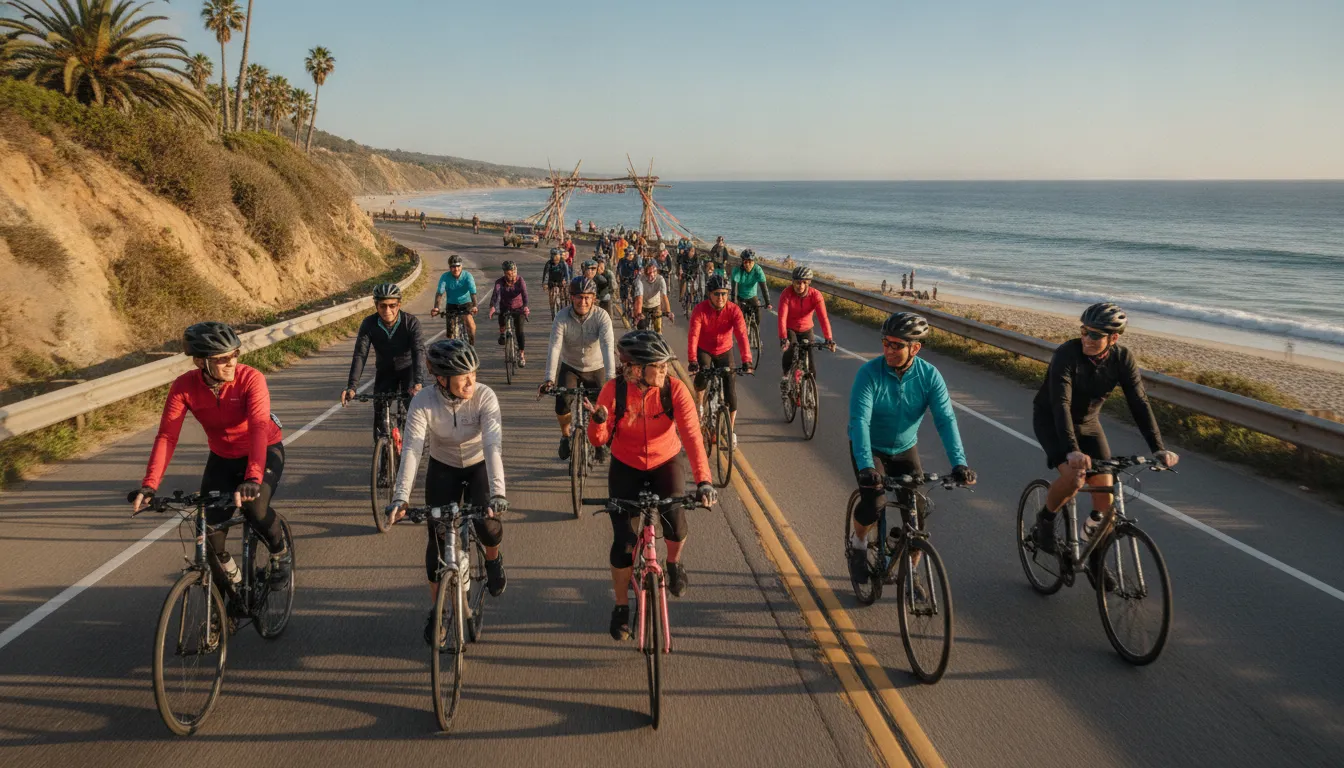
Bike to the Beach combines cycling, fitness, and charitable giving through rides from urban centers to beach destinations. Its regional footprint includes Florida, DC/Maryland/Virginia, New England, and New York. Use the region that matches the business’s actual market rather than presenting a broad national audience that may not support the proposal’s purpose.
The organization reports four regional events annually and more than 2,000 participants across its regions. It also reports substantial annual website visits and media impressions. These figures provide context for the potential audience, but they should not be presented as a guaranteed result for an individual sponsor. In the proposal, identify which audience matters most to the business and explain why.
Make the local connection tangible
Next, explain what the business is helping make possible in the community. Bike to the Beach states that funds raised stay in the region where collected. Supported programs can include specialized education, sensory gyms, therapy, adaptive recreation, bike camps, life-skills training, employment preparation, and family support.
[Impact Goal]
Our contribution would support [regional community or beneficiary connection]. We want to help advance [specific local impact], while giving our team and community a clear way to participate.
Keep this language specific and respectful. If the business already works with a local school, nonprofit, healthcare organization, or employee resource group, name that connection only when it is accurate and approved. Avoid implying that one sponsor controls how funds are distributed or that a contribution guarantees a particular beneficiary outcome.
Translate fit into a business decision
Close the section by linking mission fit to practical business objectives. Corporate engagement may support team building, CSR alignment, employee morale, workplace connection, and community presence. Add the details a decision-maker needs to review: [Region], [Audience Goal], [Impact Goal], [Proposed Contribution], and [How Success Will Be Reviewed]. This gives the proposal a clear business case without overstating what the partnership can deliver.
For current sponsorship options and details that require confirmation, direct the reader to the Bike to the Beach sponsorship page before finalizing the proposal.
Copyable charity bike ride sponsorship proposal template
Use the template below as a working document, then replace every bracketed field and confirm current details with the event organizer. A strong proposal connects a business objective to a defined audience, contribution, activation, recognition, measurement plan, and follow-up, while keeping commitments specific and verifiable. This structure reflects common sponsorship proposal fields, including contact details, recognition preferences, comments, consent, and signature. See the sponsorship proposal structure for additional context.
Opening
Subject: Partnership opportunity for [Company Name] and [Event/Region]
Hello [Contact Name],
We are reaching out to explore a sponsorship partnership between [Company Name] and Bike to the Beach’s [Event/Region]. Our goal is to connect [Company Name] with [Audience Goal] while supporting [Impact Goal] in the local community. We believe this partnership could give our team a purposeful way to show up for the community, engage employees and customers, and support a mission that aligns with our values.
About the organization and event
Bike to the Beach is a nonprofit social impact organization that combines cycling, fitness, and charitable giving through regional rides. The organization operates rides in Florida, DC/Maryland/Virginia, New England, and New York. For this proposal, we are specifically considering [Event/Region]. Please insert the current event description, date, participation options, beneficiary information, and audience details after confirming them with Bike to the Beach.
Why this business is a fit
[Company Name] serves [customer, employee, or community audience]. Our connection to [Event/Region] is [describe the local relationship, shared value, customer need, employee interest, or community priority]. We would like to support [Impact Goal] because [brief reason]. This partnership would help us pursue [Audience Goal] without presenting the event or its impact as something we have not yet confirmed.
Local impact
We are asking Bike to the Beach to confirm how sponsorship funds from [Event/Region] support local organizations and programs. The organization states that funds raised stay in the region where collected. We would like to reference the current beneficiary or beneficiaries, the programs supported, and any available impact reporting in our final materials. Our intended impact focus is [Impact Goal], and our internal point of accountability will be [Contact Name or team].
Proposed support
We propose a contribution of [Sponsorship Amount] in the form of [cash, in-kind goods or services, matching gift, component underwriting, employee team support, or volunteer activation]. If an event sponsorship amount is being considered, we will confirm the current package, availability, payment schedule, and included deliverables with Bike to the Beach before making a commitment. We also request confirmation of whether [Activation] is available and appropriate for [Event/Region].
Benefits to confirm
In exchange for this support, please confirm which recognition and engagement benefits apply: [logo or name placement], [website or social recognition], [event signage], [employee participation], [volunteer roles], [activation space], [route or rest-stop presence], [finish-line presence], [speaking or recognition opportunity], or [other confirmed benefit]. We understand that benefits depend on the selected package and event plan. We will not describe any benefit as guaranteed until it is included in the written agreement.
Measurement
We will evaluate the partnership against [Audience Goal] and [Impact Goal]. Proposed measures include [employee participation], [volunteer participation], [customer or community engagement], [confirmed recognition placements], [funds or goods contributed], and [impact report received]. We will agree with Bike to the Beach on what can be measured, who supplies the information, and when reporting will be available. We will not promise a specific return on investment before results and reporting are defined.
Terms and next step
Please send the current sponsorship options, beneficiary details, recognition requirements, activation guidelines, deadlines, payment terms, and any brand-use requirements for review. Our target decision date is [Decision Date]. We suggest a follow-up conversation on [Follow-Up Date] with [Contact Name] and the relevant Bike to the Beach representative. If the proposal is approved, both parties will document the final contribution, benefits, responsibilities, timeline, and approval contacts in writing.
Thank you for considering this partnership. We look forward to learning whether [Company Name] and [Event/Region] are a strong fit.
Sincerely,
[Contact Name]
[Title]
[Company Name]
[Email Address] | [Phone Number]
What activation ideas can a sponsor propose?
A strong activation turns a sponsorship from a logo placement into a practical way for employees, customers, and riders to connect with the event. The ideas below are examples for a proposal, not guaranteed benefits. Availability, timing, staffing, branding, safety requirements, and any included recognition should be confirmed with Bike to the Beach before the sponsor makes a commitment.
Match the contribution to the company’s capabilities
Start by naming the kind of support the business can realistically provide. A proposal might suggest a cash contribution of [Sponsorship Amount], an in-kind donation of [Goods or Services], or matching gifts tied to employee or customer fundraising. In-kind support could be especially relevant when a company can provide a product, professional service, or event resource. The proposal should describe the offer clearly, including quantity, estimated value if requested, delivery timing, and the internal contact responsible for fulfilling it.
Another option is component underwriting. The sponsor can propose supporting a defined part of the event, such as [Rest Stop / Start-Line Support / Finish-Line Support], rather than presenting a broad or undefined request.
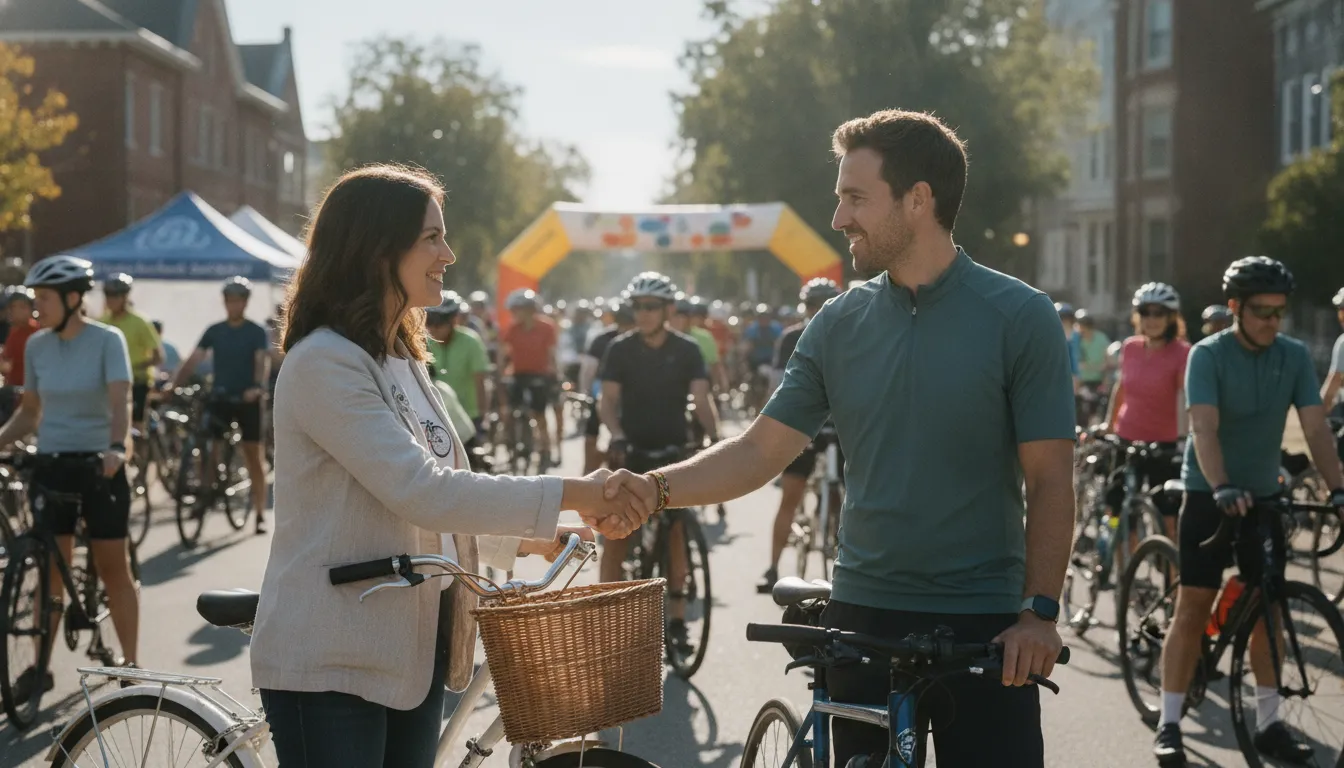
Describe how the proposed activity would help the business connect with its intended audience while contributing to the ride’s community purpose. Keep the idea grounded in what the team can staff, supply, or support. Include the business objective, the intended audience, and the impact goal in bracketed fields: [Audience Goal] and [Impact Goal]. These details give the organizer a useful starting point for confirming whether the idea fits the event.
Build an employee volunteer activation
Employee participation can extend beyond riding. A company may propose a volunteer team at a rest stop, at the start or finish line, or throughout the event. Rest stops are placed about every 15 miles and may provide hydration, nutrition, medical supplies, mechanical support, and staffed activation opportunities. In the proposal, specify [Number of Volunteers], [Preferred Location], [Volunteer Tasks], and [Availability]. Treat those assignments as proposed ideas until the organizer confirms the operational fit.
Create a finish-line experience
A sponsor could also propose a finish-line activation that complements the event’s celebration. Examples might include a staffed sponsor area, a customer or employee welcome point, a photo opportunity, or support connected to family-friendly activities. Event finishes can include live music, food and beverage, awards, sponsor activation zones, beneficiary representation, and photo opportunities, but the specific elements available to a sponsor must be confirmed.
Use a concise activation field to keep the proposal easy to review: [Activation], [Requested Recognition], [Organizer Confirmation Needed], and [Decision Date]. This framing makes the proposal collaborative. It gives the organizer enough information to refine the idea without implying that a proposed rest stop, finish-line feature, volunteer role, or benefit is already approved.
How should you frame benefits, budget, and measurement?
A strong proposal makes the partnership easy to evaluate. It connects the business objective to a specific contribution, an event audience, an activation plan, recognition preferences, and a practical way to review results. Keep each field adaptable. A proposal should invite a conversation about the right partnership, not imply that every sponsor receives the same package or outcome.
For budget context, use a blank contribution field first. Then review the latest corporate charity sponsorship opportunities and confirm the current amount, package, and timing with Bike to the Beach. Keep registration fees separate from fundraising minimums, and do not describe either as part of the sponsorship contribution unless the organization confirms it.
| Proposal field | What to write | What to confirm |
|---|---|---|
| Contribution | “[Sponsorship Amount] in cash, in-kind support, matching gifts, or component underwriting.” | Current availability, event scope, payment timing, and whether the contribution is per event or regional. |
| Audience | “We want to connect with [Audience Goal] in [Event/Region] through a community-centered ride.” | Current participant, digital, and media information relevant to the selected event. |
| Activation | “Our proposed activation is [Activation], supported by [Employee Team or Volunteer Role].” | Space, staffing, logistics, accessibility, deadlines, and approval requirements. |
| Employee engagement | “We plan to involve employees through [Riders, Volunteers, Matching Gifts, or Team Activity].” | Available roles at rest stops, start or finish lines, and throughout the event. |
| Recognition | “Please recognize [Company Name] through [Approved Recognition Preference].” | Logo specifications, placement, social or web mentions, signage, and submission deadlines. |
| Measurement | “We will review [Participation, Employee Engagement, Community Connection, or Visibility Indicator].” | Which metrics Bike to the Beach can provide, when they are available, and how they will be reported. |
| Timing | “Our decision date is [Decision Date], with a review call on [Follow-Up Date].” | Current event dates, commitment deadlines, production lead times, and the right contact. |
Measurement should be specific without promising guaranteed return on investment. For example, a company might track employee participation, volunteer hours, approved recognition placements, or completion of a matching-gift goal. These indicators show what happened, but they do not automatically prove sales or a financial return. Ask which results can be documented before committing to a reporting promise. The same care applies to mission language: state the intended [Impact Goal], then confirm current beneficiary details and regional funding information with Bike to the Beach.
This format gives decision-makers enough structure to compare the opportunity with internal goals while leaving room for a genuine partnership conversation. If you need more context before completing the fields, use the organization’s event sponsorship package examples as a planning reference, then verify every deliverable, amount, and deadline directly.
How do you follow up and turn a proposal into a partnership?
Sending a proposal is a clear invitation to discuss a partnership, not proof that an agreement exists. The next step is a thoughtful follow-up process that helps both sides confirm the details, surface questions, and decide whether the opportunity fits. A strong sponsorship form typically captures contact information, package selection, recognition preferences, comments, consent, and a signature. Those same details give your follow-up a practical foundation.
- Verify that the proposal reached the right recipient. Before assuming a prospect is reviewing your charity bike ride sponsorship proposal template, confirm the message went to the person who handles community partnerships, marketing, employee engagement, or charitable giving. If you are unsure, ask for the correct contact rather than forwarding repeated messages to a general inbox. Record the recipient as [Contact Name], along with the company and event region.
- Personalize the first follow-up. Refer to the business objective, audience, or community connection you addressed in the proposal. Keep the note specific to the company instead of repeating every section. Mention the proposed event or region, the contribution under discussion, and the activation idea, if one was included. A concise follow-up should make it easy for the recipient to remember why the partnership could matter to their team and community.
- Set a response date without creating pressure. Offer a practical decision point, such as [Decision Date], and explain why timing matters. The date might help coordinate event planning, recognition materials, staffing, or another confirmed deadline. Do not create urgency around an unverified deadline. Ask the organization to confirm current availability, package details, recognition requirements, and submission dates before you promise anything to your own team.
- Answer questions and verify every benefit. Invite questions about the proposed contribution, employee participation, in-kind support, matching gifts, volunteer roles, or activation. Then confirm the current terms with Bike to the Beach. Benefits, logos, event dates, deadlines, beneficiary details, and recognition placements can change. So do not treat a proposal template or older sponsor materials as the final source of truth. If the business is considering a package, request the current sponsor information and clarify what is included, what requires approval, and what remains customizable.
- Document the items both sides agree to. Create a short written summary covering the selected event or region, contribution or support type, activation, recognition preferences, responsible contacts, deliverables, deadlines, and any open questions. Use blank fields where details are still pending. This summary is not automatically a contract. A proposal communicates an offer or possible structure; an agreement records the terms that the authorized parties have accepted. Ask who will provide the formal agreement, signature process, and payment or in-kind instructions.
- Send a timely thank-you and schedule the next follow-up. Thank the contact after the conversation, even if the decision is still pending. Restate the agreed next action in one or two sentences and set [Follow-Up Date]. If the recipient needs internal approval, ask whether a specific document or clarification would help. If there is no response after the follow-up date, send one courteous check-in, then pause rather than crowding the inbox. Keep your notes so a later conversation can begin with context instead of another generic pitch.
That combination of personalization, verification, and clear documentation turns a promising conversation into a responsible next step. It also protects the relationship by making sure the final commitment reflects current benefits and accurate local details.
Confirm current benefits and sponsorship details with Bike to the Beach before sending a final commitment to your team or business partner.
Frequently Asked Questions
What should a charity bike ride sponsorship proposal include?
Include the business objective, event and region, audience, local impact, proposed contribution, activation idea, requested recognition, budget, success measures, decision date, contact details, and follow-up date. Leave customizable items in brackets so the proposal can match the sponsor’s goals and the current event details.
Can a local business sponsor a ride without making a cash gift?
Ask about in-kind donations, matching gifts, underwriting a specific event component, employee teams, or volunteer opportunities. Availability and requirements vary, so confirm the option, estimated value, logistics, and recognition details with Bike to the Beach before including it as a commitment.
How much should a business budget for charity bike ride sponsorship?
Use a blank field first, then compare it with the current sponsorship options. Businesses should confirm current tiers, deliverables, deadlines, and availability before selecting an amount. Registration fees and fundraising minimums are separate considerations.
How should a sponsor measure the partnership?
Choose a few measures tied to the business goal, such as employee participation, volunteer hours, customer engagement, event interactions, recognition delivered, or follow-up leads. Agree in advance on what will be tracked, who will report it, and when the post-event review will happen. Avoid promising a specific return.
Ready to explore sponsorship opportunities?
A clear proposal helps your team connect its goals with the right Bike to the Beach partnership. Contact the Bike to the Beach team to review current sponsorship opportunities and confirm the right fit for your business.