

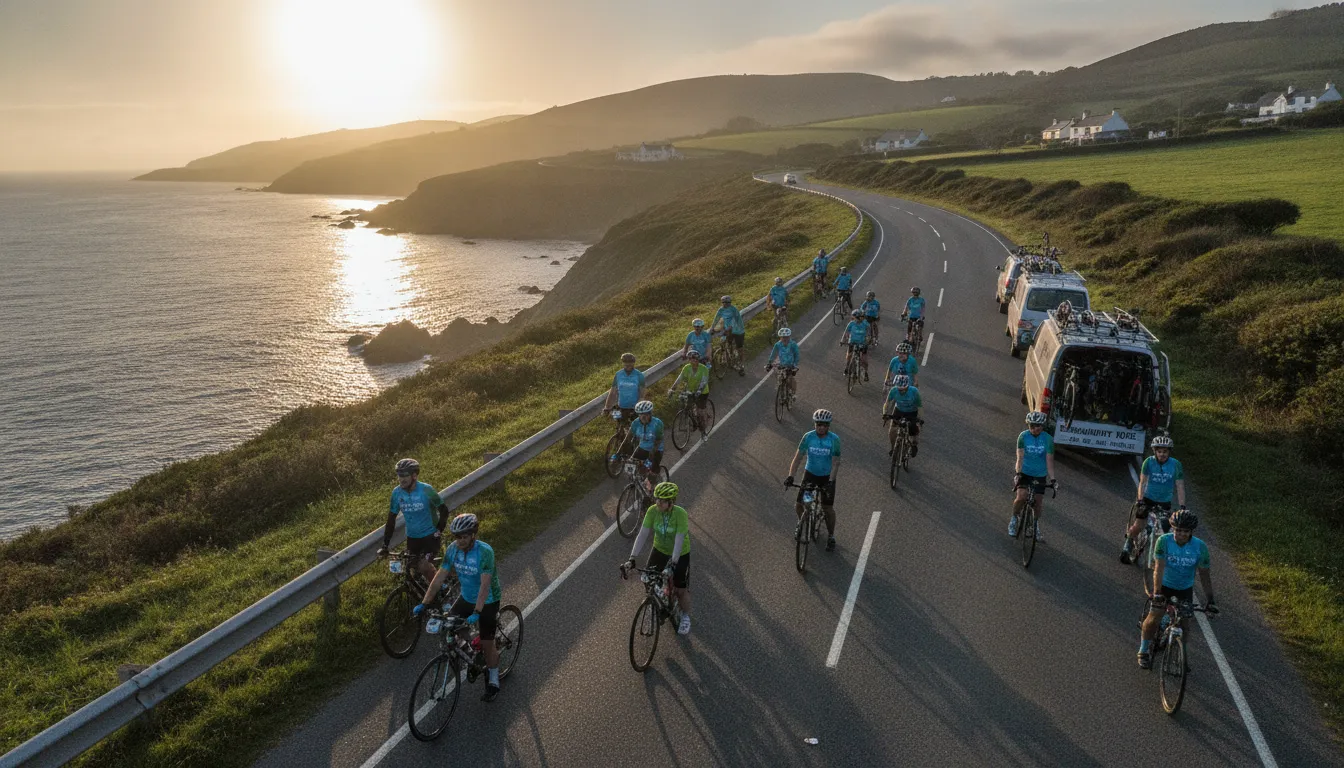
Bike Training Plan for a Charity Ride
Get a bike training plan for 25- or 50-mile charity rides with practical tips for pacing, gear, hydration, and confident event-day prep.

Finishing a 25 or 50 mile charity bike ride is a goal any new rider can reach. Most find success by building miles slowly, practicing the basics, and choosing a supported route that matches their current fitness.
Ready to ride? Register for a Bike to the Beach event and start your training plan today.
A good bike training plan for a charity ride starts with steady, moderate rides. New riders can aim to bike at least 70% of their goal distance before event day (Best Buddies Challenge). This steady growth helps your body get used to the bike seat. It also builds trust in your legs before the big day. Aim for 150 minutes of weekly exercise, split into short rides if needed. Use the “talk test” to track your effort. You should be able to speak in full sentences while you ride. Steady work matters more than speed for these shorter distances.
Setting a schedule is the first step toward a great event day. Balance weekly miles with rest, gear checks, and a clear goal distance so your plan feels steady instead of overwhelming.
A bike training plan for 25- and 50-mile charity rides
Starting a bike training plan does not mean you have to prepare for a 100-mile century ride. For many riders, 25 or 50 miles is the perfect goal to support local disABILITY partners. These distances are fun and doable for most who start with a few weeks of steady riding. Your focus should be on building comfort and time on the saddle rather than speed.
Build your weekly riding rhythm
A simple training plan helps you meet the CDC health guidelines of 150 minutes of weekly riding. You do not have to do all your riding in one day. You can break your training into small blocks of time throughout the week. Aim for three to four rides each week to help your body get used to the bike.
Start with short rides of 20 to 30 minutes on level ground. As you feel more stable, add five to ten minutes to your rides each week. Using our official training tools can help you track your progress. This slow build helps your muscles and joints stay healthy while you gain the strength needed for event day.
It is also vital to plan for one long ride each weekend. A good goal is to work up to riding at least 70% of your event distance before the big day. This means if you sign up for the 25-mile ride, you should try an 18-mile ride a week or two before. This gives you the proof that you can reach the finish line without over-working your body during your weekly rides.
| Training Goal. | 25-Mile Ride. | 50-Mile Ride. |
|---|---|---|
| Weeks to Train. | 4 to 6 weeks. | 8 to 10 weeks. |
| Weekly Time. | 2 to 3 hours. | 4 to 6 hours. |
| Longest Ride. | 18 miles. | 35 miles. |
| Pacing Level. | Low to moderate. | Moderate with hills. |
Master the talk test for steady pacing
Pacing is the key to finishing a long ride with a smile. The best way to gauge your effort is the “talk test.” If you can speak in full sentences without gasping for breath, you are at a safe effort level. Experts call this Zone 2 training, which is best for building your strength.
This steady pace allows your heart rate to rise enough to build fitness without burning out too fast. You should be able to talk to your team but not sing a song. This steady effort ensures you have enough energy left to cross the finish line and enjoy the beach party with your friends.
If you find yourself panting or unable to speak, slow down or shift to an easier gear. Training in this zone helps your body burn fat for fuel well. It also keeps your heart from working too hard too soon. Staying at a steady pace makes the ride much more social and fun for everyone on your team.
Focus on safety and ride support
Before you hit the road, make sure your gear is in safe working order. A CPSC-approved helmet is a must for every training ride and event. You should also check your brakes and gears or visit a local shop for a quick tune-up. Being ready helps you stay safe while you focus on the impact you are making for families in your region.
Remember that on event day, you are never alone. Our rides provide full support with SAG vehicles and rest stops about every 15 miles. You can also use our guide to your first century ride if you decide to push for a longer distance later. For now, stick to your plan and enjoy the ride with your friends and neighbors.
How many weeks should you train before ride day?
Most new riders should train for 6 to 8 weeks before a 25- or 50-mile charity ride. Start with short rides, add mileage gradually, and use rest days so your body adapts without burnout.
Planning with official training resources early helps you feel ready on ride day. Most new riders need about 6 to 8 weeks to prepare for a 25-mile or 50-mile event. This time lets your body get used to more time on the bike while building the strength you need for the road.
Find your starting point
Your bike training plan should match your current fitness level. If you ride often, 6 weeks may be enough to sharpen your skills. But if you are new to cycling, 8 weeks gives you a safer path. You should aim to get at least 150 minutes of moderate activity each week to build your heart health, as noted by the CDC. You can break this time into small chunks across the week to fit your life.
Plan for gradual growth
The best way to train is to add more miles slowly. You do not need to ride the full event distance right away. A good goal is to work up to riding 70% of your total ride distance before the big day. This helps you gain trust in your ability without overworking your muscles. Remember to include at least 2 days of strength work each week to keep your body strong and prevent injury.
Listen to your body
Rest days are just as vital as your rides. They give your muscles time to heal and grow. During your active days, use the “talk test” to check your work level. If you can talk in full sentences but cannot sing, you are likely in a good spot for building stamina. This steady pace helps you stay safe and enjoy the community spirit of our rides. If you plan to tackle longer routes, you may want to download our century training plan for more help.
Build endurance with easy miles before speed
Endurance comes from consistent easy miles before speed work. Ride at a pace where you can talk in full sentences, then slowly extend one weekly ride toward your target distance.
When you start a bike training plan, you might want to go fast. But building a base is more useful. Most riders should spend their first few weeks focused on easy miles. Doing this helps your body get used to the bike. It also builds the stamina you need for the finish line. Steady, easy rides strengthen your heart and help your muscles work better without burning out too early.
Talk test for base miles
The best way to build endurance is to ride at a pace where you can still talk. This is called Zone 2 training. At this level, you work hard but can still speak in full sentences. Experts suggest that Zone 2 effort helps your heart. If you find yourself gasping for air, you are likely going too fast for a base ride. Slow down and focus on keeping a steady rhythm instead.
Weekly ride structure
You do not need to ride every day to see progress. A simple schedule works best for busy people. Try to fit in one or two shorter rides during the week. Add one longer ride on the weekend. Breaking your training into smaller chunks of time makes it easier to stay on track. Midweek rides can be just 30 to 45 minutes long. They keep your legs moving and help you build a good habit. You do not need to be on the road for hours on a Tuesday.
The weekend ride is where you slowly add more miles each week. This prepares you for event day by helping you build the mental and physical toughness you need. It is also a good time to practice riding at different times of the day. A good rule of thumb is to work up to about 70 percent of your goal distance. For a 50-mile ride, aim to finish a 35-mile ride at least once. This gives you the confidence to handle the distance. You can find more tips in our official training resources to help you plan your path to the beach.
Comfort and steady habits
For most first-time riders, comfort is more important than speed. A charity ride is a community event, not a race. If you are comfortable on your bike, you will enjoy the day. Use easy miles to check your gear. Fix any small pains early before they become big problems. Regular rides help most. Even short rides help you build the stamina needed for a fun and safe ride to the finish line. Remember that Bike to the Beach provides rest stops and support, but training helps you finish strong. Being ready for the ride makes the day much more fun.
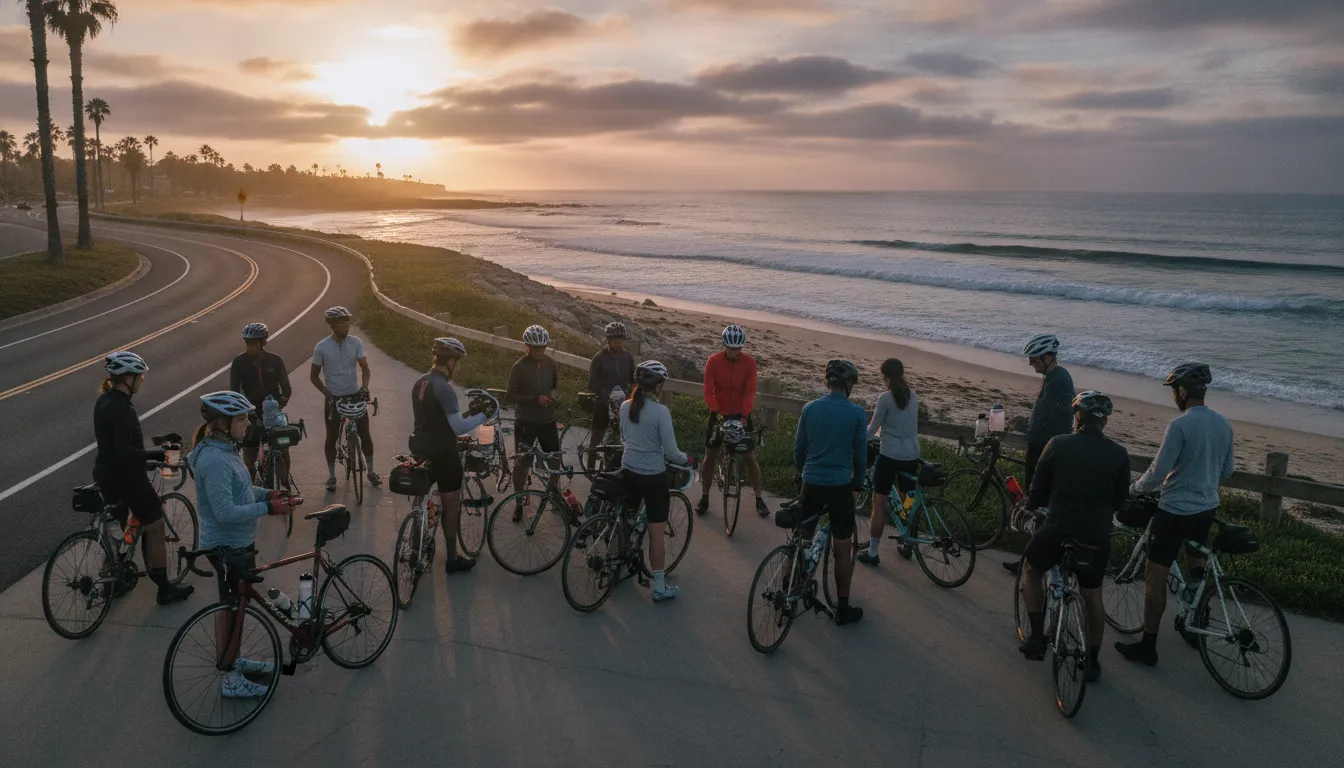
What gear do you need for a supported charity ride?
For a supported charity ride, focus on a well-fitted bike, a CPSC-approved helmet, water bottles, flat-repair basics, sunscreen, comfortable clothing, and snacks you have already tested during training.
Getting ready for a supported charity ride is a great part of your path. While Bike to the Beach gives a lot of help along the way, having the right gear is key for a safe and fun day. This work starts long before event day as you follow your bike training plan. Your gear list should focus on safety, comfort, and the skill to handle small issues.
Safety first with proper head protection
Safety is the top goal for every rider. All riders must wear a CPSC-approved helmet to join our events. A good helmet can save your life, so choose one that fits your head well. It should sit level on your head and stay firm when you move. Check your helmet for any old cracks or dents before you start training. If your helmet has been in a crash, you must swap it right away. A safe helmet gives you the calm to focus on the road and the cause.
Prepare your bike for the miles ahead
Your bike must be in top shape to handle the ride. Before the start, check that your brakes stop quickly and your gears shift smoothly. Proper bike sizing is key for your comfort and health. A bike that is too big or too small can lead to joint pain or numb hands. You can visit a local bike shop to size your bike and set the seat and bars to fit your body. This helps you ride longer without getting tired or sore.
We give repair help at the start and along the route. But it is still smart to carry a few basic tools. A flat repair kit with a spare tube, tire levers, and a small pump can save you time. Learning how to fix a flat is a great skill to add to your bike training plan. If you run into a big problem, our SAG vehicles are always on patrol to pick you up and get you to the next stop.
Essential items for comfort and routes
Staying hydrated is one of the most important parts of a long ride. You should carry at least two water bottles on your bike frame. Drinking water and sports drinks often helps you avoid health issues like cramps or low energy. Our events have rest stops every 15 miles with fresh water and snacks. You don’t need to pack a full lunch, but having a few of your favorite gels or bars is a good idea. Sunscreen is also a must to protect your skin during a full day in the sun.
Following the route is easy with the right tools. We give digital maps through the Ride with GPS app. You can find links to these routes in our training resources. Most riders use their phones or a bike tool to follow the turn-by-turn cues. Last, make sure you have your ID, some cash, and your urgent help info on you at all times. Being prepared helps you enjoy every mile of the ride to the beach.
Practice hydration, snacks, and pacing before the event
Practice hydration, snacks, and pacing before event day so your body knows what to expect. Drink early, eat small familiar snacks, and keep your effort steady enough to talk comfortably.
Success in your bike training plan means more than just turning the pedals. You also need to train your gut and your legs for long days on the bike. Learning how to eat, drink, and pace yourself now will make event day much more fun. When you prep well, you can focus on the ride and the good you are doing for the community.
Use Bike to the Beach training resources to turn your weekly rides into a confident event-day plan.
How to drink and eat
New riders often wait until they feel thirsty or tired to drink and eat. By then, it may be too late to keep your energy up. Part of a good bike training plan is learning to drink water early and often. Finding the right balance helps you stay safe and do your best work. Proper fluid use keeps you from getting too dry or drinking too much water. You can learn more about safe fluid use during exercise from the National Institutes of Health.
Why to avoid new things
You do not need fancy gels or bars to finish. Simple snacks like bananas, nuts, or peanut butter often work best for new riders. Use your training rides to find which foods feel good in your stomach. Bike to the Beach provides rest stops every 15 miles with snacks and water to help you. Even with this help, you should still carry a few items you know and like. This ensures you always have the fuel you need between stops.
Consider these tips for your ride snacks:
- Eat small bites every 30 to 45 minutes instead of one big meal.
- Carry foods that are easy to open and eat while you move.
- Practice with the same foods you plan to eat on the day of the ride.
- Drink a few sips of water every time you take a bite of food.
The main rule of any bike training plan is “nothing new on ride day.” Do not try a new brand of drink or a new snack for the first time during the event. This also goes for new gear like shoes or shorts. New foods or gear can cause stomach pain or skin rubs that can ruin your day. Stick to the routine you built during your weeks of prep to avoid bad surprises.
How to find your pace
It is easy to start too fast when you feel the energy of the crowd. To finish strong, you must find a steady pace that you can keep for hours. A great trick is the “talk test” to check your work. If you can talk in full sentences without losing your breath, you are at a good speed. This medium effort helps you build stamina without burning out too soon. You can find more tips in our official training guides to help you prepare. According to CDC rules, this level of work is best for building health and strength over time.
Ride-day confidence comes from rehearsing the details
Ride-day confidence comes from rehearsing small details before the event. Practice check-in timing, route navigation, rest-stop rhythm, bike handling, and the clothing you plan to wear.
A good bike training plan does more than build your leg strength. It gives you a chance to practice the small steps that keep your day smooth. When you know how your bike feels and what to expect on the road, you can focus on the community and the cause. Small tests during your training rides will help you feel ready for any distance.
Practice with your gear
Success starts with your equipment. You must ride in the same clothes you plan to wear for the event to check for any rubbing or discomfort. Your moderate-intensity training sessions are the best time to test your bike fit and gear. Ensure your helmet is CPSC-approved and your bike is in safe working condition before you head to the start line.
Learn the route and navigation
Knowing where to turn keeps your mind at ease. We use the Ride with GPS platform to help you stay on track. During your long rides, practice using this tool so you feel comfortable with the turn-by-turn cues. If you are aiming for a longer distance, you can download our century training plan to see how to build up your time on the bike.
- Set your arrival time. Plan to get to the start location at least 60 minutes early. This gives you time to check in, use the restroom, and find your group.
- Check your bike fit. Visit a local shop to ensure your gears and brakes work well. A pro can help size you to the correct bike for comfort and safety.
- Review the rest stops. Our rides have full support with rest stops roughly every 15 miles. Mark these on your mental map so you know when to refuel.
- Ride with a group. Practice riding near other people. Learning basic group signals and staying predictable will keep everyone safe.
- Trust the support. Remember that SAG vehicles and mechanical support are always nearby. You are never alone on the road, which should give you peace of mind.
Prepare for the finish line
Rehearsing your logistics helps you enjoy the ride from the first mile to the beach finish. Most people find that a clear plan reduces stress. When you have tested your gear and know the route, you can truly enjoy the day with your fellow riders and partners. Focus on the local impact you are making for the autism and disABILITIES community as you reach your goal.
How to choose the right Bike to the Beach distance
Choose the Bike to the Beach distance that matches your current training time and comfort. A 25-mile route works well for newer riders, while 50 miles rewards riders ready for a longer supported challenge.
Choosing the right length for your ride is the first step toward a great event. Bike to the Beach offers several options to match your fitness level and goals. You do not have to be a pro to join us. Whether you are new to cycling or a seasoned rider, there is a distance that fits your needs. Our rides focus on local impact, so every mile you bike helps people with autism and other disABILITIES in your area.
Distances for every rider
We offer many choices to help you find the best fit for your skill level. You can choose from these options:
- 25 Miles: This distance is fun and easy for most casual riders. It lets you enjoy the day without feeling too tired.
- 50 to 70 Miles: These mid-length rides help you push your limits while still being fun. They are great for building your strength.
- 100 Miles: This “Century” ride is the top goal for bold riders. It is like running a marathon in terms of the effort you will use.
If you want to ride with friends but are not ready for a long solo trip, you can join a relay team. This lets you and your teammates share the miles so everyone can take part. It is a great way to feel the team spirit while hitting the road.
Regional and virtual options
We host events in many places along the coast. You can find the exact routes on our pages for Florida and the DC/MD/VA area. We also have rides in New England and New York. Each place has its own views and local charm. Every ride supports local partner groups that help families in that region.
If you cannot join us in person, you can sign up for our virtual 7-day challenge. This allows you to log miles from your own home or local trails. You can still raise money and awareness for autism and other disABILITIES. Be part of our community from anywhere in the world.
Starting your bike training plan
Once you pick your distance, you should start a bike training plan to get ready. Planning ahead helps you stay safe on the road. Most health experts suggest that adults get at least 150 minutes of moderate activity each week. You do not have to do all of this in one session. Breaking your training into smaller blocks of time during the week makes it easier to stay on track.
A good rule of thumb is to slowly work up to riding at least 70 percent of your event distance. If you are doing the 50-mile ride, try to finish a 35-mile ride before the event. You should also check your gear early. Make sure your brakes and gears work well and that your helmet fits. These steps help you feel ready to ride for a great cause.
Frequently Asked Questions
Do I need a specific bike training plan for a 25-mile ride?
Even for a 25-mile ride, a bike training plan helps you stay safe and enjoy the day. Beginners should start with short rides and add miles slowly over several weeks. A good goal is to ride at least 70% of the event distance before the big day. This builds the stamina you need and helps you get used to your bike. It also ensures you are ready for the fun of a supported community ride to the beach.
How many weeks do I need for a bike training plan?
Most new riders need 6 to 8 weeks to get ready for a charity ride. This time lets you build heart health and leg strength without overworking your body. According to the CDC, adults need at least 150 minutes of moderate work each week. You can break this time into smaller chunks that fit your busy life. Starting your plan early helps you feel confident and ready to join our community on the road.
What should be included in a beginner bike training plan?
A good bike training plan has a mix of easy rides, rest days, and strength work. Aim for two or three rides during the week and one longer ride on the weekend. You should also do strength work at least two days a week. This balance helps you build endurance while keeping your body strong. Remember to practice the talk test during your rides to make sure you work at a safe and steady pace.
How do I start a bike training plan for a charity ride?
To start your bike training plan, first check that your gear is in safe shape. Make sure your helmet fits well and your bike is the right size for your height. Next, set a simple schedule that adds miles each week. Use Zone 2 training, or a pace where you can still talk, to build a solid base. This slow approach helps you avoid injury while getting you ready for the fun of a supported community event.
Ready to register for a Bike to the Beach ride?
Your bike training plan starts with one simple decision: choose the distance and region that fit your goal. Bike to the Beach gives riders supported routes, rest stops, SAG help, and a community-first way to raise funds for local autism and disABILITY nonprofit partners.