

How to Join a Bike Fundraising Event: A Full Guide
Join a bike fundraising event to support your community, connect with others, and make a real impact. Find tips, training advice, and fundraising ideas.

It’s one thing to write a check, but it’s another to physically power a mission forward. That’s the unique power of a charity bike ride. It connects your physical effort directly to a tangible outcome in your own backyard. When you join a bike fundraising event, you’re not just raising money; you’re raising awareness and building a stronger, more inclusive community with every pedal stroke. The funds you generate stay local, supporting autism and disability partners who serve your neighbors. This guide will show you how to be part of this incredible movement, turning your miles into meaningful change right where you live.
Key Takeaways
- Find Your Motivation, Not Your Max Speed: Charity rides are about community and commitment, not competition. Your personal reason for riding is what truly matters, and with multiple distance options and full support, the event is designed for you to succeed at your own pace.
- Share Your Story and Start Pedaling: Preparation is simpler than you think. Focus on two key actions: personalizing your online fundraising page to share why you’re riding, and gradually increasing your time on the bike to build confidence for ride day.
- Make a Difference Where You Live: Your fundraising efforts have a direct, local impact. The money you raise supports autism and disability partners in your own region, ensuring your hard work helps families and strengthens the community you call home.
What is a Charity Bike Ride? (And Why You Should Join)
A charity bike ride is exactly what it sounds like: a cycling event where you raise money for a cause you care about. But it’s also so much more than that. It’s a chance to challenge yourself physically, connect with a community of passionate people, and make a tangible difference, all while enjoying a scenic, well-supported ride. Forget the idea that you need to be a professional cyclist to participate. These events are designed for everyone, with different route lengths and levels of difficulty, so you can find a challenge that feels right for you.
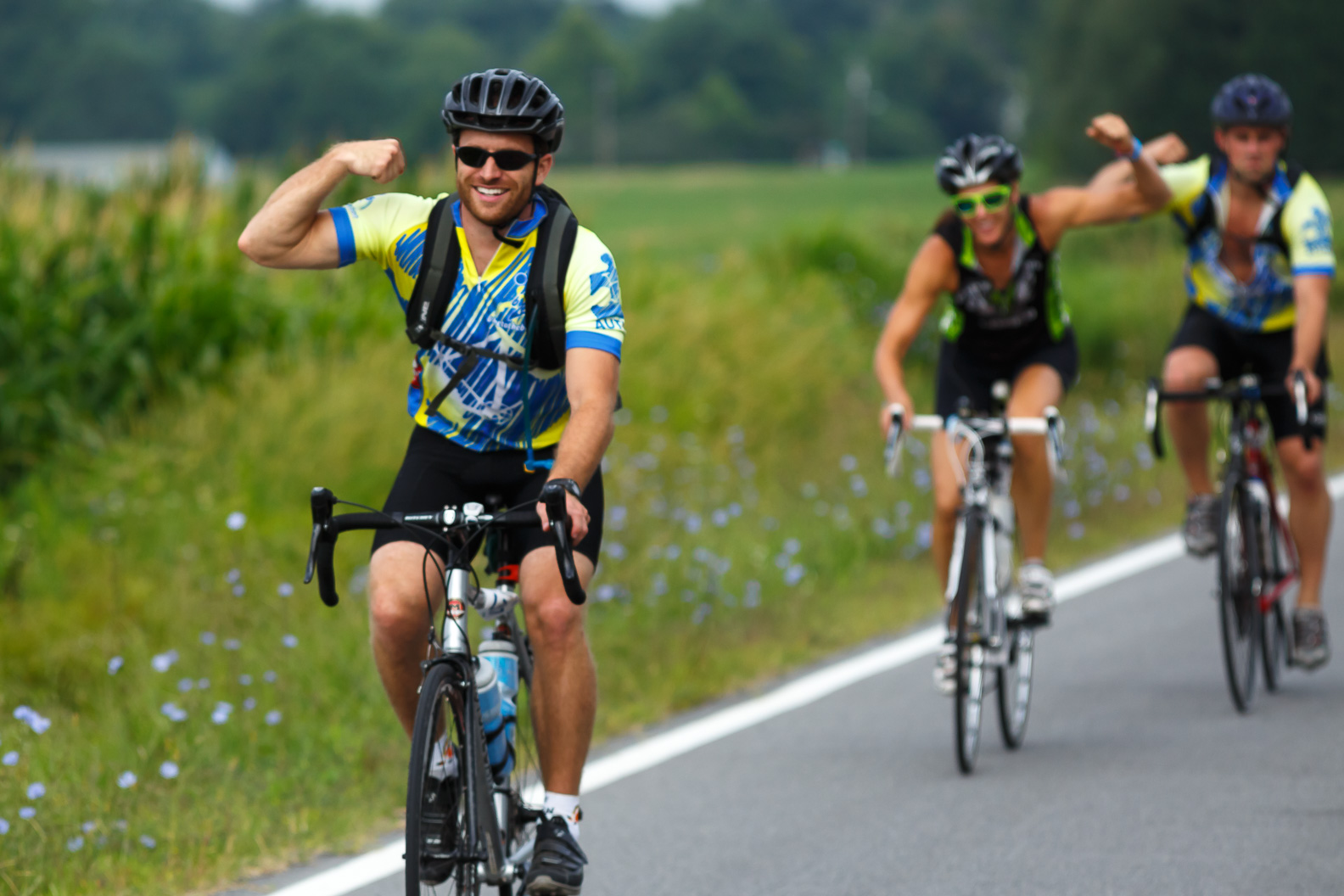
Whether you’re a seasoned rider looking for your next adventure or a total beginner who just bought your first helmet, a charity ride offers a powerful sense of purpose. Your training miles mean more, your fundraising efforts have a direct impact, and crossing the finish line feels like a shared victory. It’s an opportunity to turn your passion for cycling—or your desire to get active—into a force for good. At Bike to the Beach, we see this happen every year, as hundreds of people come together to ride for something bigger than themselves. The energy is incredible, and the sense of accomplishment goes far beyond the physical feat of finishing the ride.
Find a Cause You’re Passionate About
You can find a charity ride for almost any cause imaginable. Organizations like the American Cancer Society host events across the country to fund research and patient support, while other rides focus on environmental conservation, mental health awareness, or local community services. This variety means you can find an event that aligns perfectly with what matters most to you.
At Bike to the Beach, we channel all that pedal power into supporting the autism and disability community. Every ride is a moving celebration of inclusion and empowerment. By joining one of our events, you’re directly helping fund programs and services that make a real difference for individuals and their families. It’s a focused, high-impact way to show your support and ride with purpose.
Making a Difference in Your Community
It’s natural to wonder where your fundraising dollars actually go. With many charity events, the answer is clear: right back into your community. Instead of sending proceeds to a single national headquarters, community-focused rides ensure the money you raise stays local. This model strengthens the organizations doing essential work in your own backyard.
That’s our entire approach at Bike to the Beach. When you participate in our Florida ride, the funds you raise support autism and disability partners in Florida. The same goes for our rides in New York, New England, and the DC area. Beyond the funds, the ride itself becomes a powerful platform for awareness, bringing people together and starting important conversations about inclusion and acceptance right where you live.
Finding a Mission That Moves You
The most successful and fulfilling fundraising experiences are fueled by a personal connection. When you choose a ride, think about the “why” behind it. Is there a cause that has touched your life or the life of someone you love? Do you want to honor a family member, support a friend, or contribute to a community that has given you so much? This personal mission will be your motivation through every training ride and fundraising email.
For so many of our participants, that mission is deeply personal. They ride for their children, their siblings, their students, and their friends. They ride to create a more welcoming and inclusive world for people with autism and other disabilities. Finding why you bike transforms the event from a physical challenge into a meaningful journey.
How to Find Your Perfect Bike Fundraising EventRegister
Ready to clip in and make a difference? Choosing the right charity ride is the first step toward an incredible experience. It’s all about finding an event that matches your personal goals, inspires you to fundraise, and gets you excited for the journey ahead. Let’s walk through how to pick the perfect Bike to the Beach event for you and get you signed up.
Pick Your Challenge: Distance and Difficulty
Whether you’re a seasoned cyclist who loves the century (100-mile) challenge or a newer rider looking for a fun, shorter route, there’s a spot for you. Our events are designed for all skill levels, with flexible distance options—typically including 100-mile, 60-mile, and 25-mile rides. The goal isn’t to be the fastest; it’s about showing up for a cause you care about and crossing that finish line with a huge smile. Our fully supported routes ensure you have everything you need along the way.
Exploring Different Event Formats
Charity bike rides come in a few different shapes and sizes. The most common is the destination ride—the model we use at Bike to the Beach—where everyone follows a scenic, fully supported route from a starting point to a finish line celebration. This format creates a powerful sense of shared accomplishment. Other events might be structured as a “bikeathon,” where participants ride laps on a closed course. Regardless of the format, nearly all events are powered by peer-to-peer fundraising. This simply means you share your personal fundraising page with friends and family, inviting them to support your ride and become part of the mission alongside you.
When and Where to Ride
Each of our charity rides follows a scenic route from a major city to a beautiful local beach, creating a finish-line experience you’ll never forget. You can join us for one of our annual destination events in four different regions across the country. Find the ride that works for you and start dreaming of that ocean breeze.
- Florida Rides: Cycle through scenic landscapes to a sunny beach destination.
- DC/MD/VA Rides: Join our flagship ride from the nation’s capital to the shores of the Chesapeake Bay.
- New England Rides: Experience the classic charm of New England on your way to the coast.
- New York Rides: Escape the city and pedal toward a refreshing beach finish.
Find a Cause That Inspires You
The best motivation comes from knowing your effort has a purpose. When you ride with Bike to the Beach, you’re supporting local autism and disability organizations that provide essential services in your own community. Unlike national fundraisers, the money you raise stays local, directly helping families and individuals in the region where you ride. Choosing a cause that resonates with you makes every mile more meaningful. You can learn more about the families and partners you’ll be supporting when you read about why we bike.
How to Register, Step by Step
Getting signed up is simple. Just follow these easy steps to secure your spot and start your fundraising journey.
- Choose Your Event: Head to our ride page and select the location and distance that’s right for you.
- Register: You can sign up as an individual rider, join an existing team with friends or coworkers, or start a new team and become a team captain.
- Set Up Your Page: Once you’re registered, you’ll get access to your own online fundraising page. Personalize it with your story, a photo, and your fundraising goal to get started!
What Does Registration Cost?
Your registration fee is an important part of making the ride happen. It helps us cover the cost of creating a safe, fun, and fully supported experience for every cyclist. This includes everything from rest stops stocked with snacks and drinks to on-route mechanical support, a custom ride jersey, and an unforgettable finish-line celebration. In addition to the registration fee, every rider commits to a fundraising minimum. This ensures that your ride has a powerful and direct impact on our local nonprofit partners who rely on these funds.
Standard vs. VIP Registration Options
Many charity rides offer different registration tiers, like a “Standard” option for the essentials and a “VIP” package with extra perks. At Bike to the Beach, we do things a little differently. Instead of creating tiers, we focus on creating different ways for you to join our community and make an impact. Our goal is to provide an inclusive, powerful experience for everyone, whether you’re clipping into your pedals or cheering from the sidelines.
Our main option is the In-Person Rider. This is for everyone who wants the full, unforgettable experience of cycling from the city to the beach with hundreds of fellow riders. Your registration fee and fundraising commitment secure your spot and cover everything you need for a successful ride: a custom jersey, fully stocked rest stops, on-route mechanical and medical support, and a huge celebration at the finish line. It’s the classic way to participate and fully immerse yourself in the incredible energy of ride day.
Can’t make it on the day of the ride? You can still be a huge part of the team as a Virtual Rider. You’ll get your own fundraising page and be part of the community, but with a lower registration fee and fundraising minimum. It’s a fantastic way to support the cause from anywhere in the world. Of course, you can also join us as a Volunteer to help make the day a success for everyone. No matter how you choose to get involved, you’re a vital part of our mission to support the local autism and disability community.
How to Save on Your Registration Fee
We want to make it as easy as possible for you to join our community. One of the best ways to get involved is by forming a team with your colleagues. Many companies are eager to support their employees’ charitable efforts and may even cover your registration fee or match your fundraising dollars. We offer a variety of corporate sponsorship opportunities that can create a win-win for your company and our cause. Be sure to also register early to take advantage of early-bird pricing, which can offer a significant discount on your entry fee.
Understanding Registration Policies: Refunds and Deferrals
We’ve all been there—you sign up for an event months in advance, full of excitement, but then life happens. It’s important to remember that when you register for a charity ride, you’re making a commitment not just to the event, but to the cause it supports. Because our nonprofit partners rely on the funds raised, most charity rides have specific policies regarding refunds and deferrals. Some events may not offer refunds, while others might provide partial refunds or the option to defer your entry to the following year. Before you complete your registration, take a moment to read the fine print so you know what your options are if your plans change. If you ever have questions or need to update your registration for a Bike to the Beach event, our team is here to help you figure out the next steps.
How to Fundraise Like a Pro (Even If You’re a Beginner)
Fundraising can feel like the biggest hurdle, but it’s really just sharing your story and inviting people to be part of something meaningful. You’re offering your network a chance to make a direct impact on the local autism and disability community. When people see your passion for the reason we ride, they’ll want to join you. These simple steps will help you meet your goal with confidence.
Know Your Impact: The Power of Fundraising
Remember, when you ask for donations, you’re not just asking for money. You’re giving your network a chance to make a real difference right where they live. Every dollar you raise stays in the community, supporting local autism and disability partners who provide essential programs and services. This is what makes our model so powerful—your hard work creates tangible change for your neighbors. You can confidently tell your donors that their contribution helps families in your region, which makes the entire process feel less like asking for help and more like building a community of support. It’s a focused, high-impact way to ride with purpose and show you care.
Set a Goal That Motivates You
Start by setting a fundraising goal that feels both ambitious and achievable. Beyond the minimum, pick a personal goal that inspires you—a number representing a special date or an amount that could fund a specific program for a local partner. A purposeful goal gives your network a tangible target to help you reach and keeps you motivated. It turns a simple ask into a powerful story of impact.
Make the Most of Your Fundraising Page
Your online fundraising page is your command center, so make it personal. Replace the default text with your own story: Why are you riding? Who are you riding for? Add a great photo, and then make the first donation yourself. This shows you’re committed and gets the ball rolling. Keep your page updated with training milestones and fundraising progress to keep supporters engaged.
Share Your Story on Social Media and Email
Start with a direct, personal email to your inner circle. Explain why you’ve taken on this challenge and ask for their support. From there, use social media to reach your wider network. Post about your training rides, share facts about the cause, and give shout-outs to your donors. A mix of personal stories and direct asks works best. Always include the link to your donation page to make giving easy.
Ask About Corporate Matching Gifts
Don’t leave money on the table. Many companies offer matching gift programs that will double or even triple your donations. It’s one of the easiest ways to increase your fundraising total. Check with your HR department to see if your employer has a matching gift policy. This can also open a conversation about corporate sponsorship, which makes an even bigger impact on our local nonprofit partners.
Don’t Forget Volunteer Grants (“Dollars for Doers”)
Beyond matching donations, many companies have programs called “volunteer grants” or “Dollars for Doers.” The idea is simple: your employer donates money to a nonprofit where you volunteer your time. Since you’re putting in the hours training and fundraising for your ride, your company might offer a grant that goes directly to your fundraising total. It’s their way of recognizing and supporting your commitment to the community. This is a fantastic, often-missed opportunity to significantly increase your impact without asking friends and family for more donations. A quick chat with your HR department can tell you if your company offers this perk. It’s another great way to explore corporate partnerships and show your employer how they can support a cause you’re passionate about.
Team Up for Greater Impact
Everything is better with friends, and fundraising is no exception. Consider forming a team with coworkers or family. When you fundraise as a group, you can pool networks, share ideas, and keep each other motivated. A team goal often feels more attainable and creates friendly competition. You can register a team for any of our rides and amplify your message together.
Get Creative with Fundraising Challenges
Move beyond the simple donation request by turning your fundraising into an interactive experience. This approach, known as peer-to-peer fundraising, invites your network to become active participants in your journey. Instead of just asking for money, challenge them to sponsor your training miles—pledging a dollar for every 10 miles you ride, for example. You could also host a small event, like a backyard BBQ or a virtual trivia night, where the entry fee is a donation to your page. These creative challenges make giving more fun and personal, helping you reach a wider audience and spread more awareness for the cause as people share in your adventure.
Spark Some Friendly Competition
A little friendly competition can be a huge motivator for you and your donors. If you’re part of a team, set up a challenge to see who can raise the most in a week, with bragging rights on the line. Many fundraising platforms feature leaderboards that show top individual and team fundraisers, which naturally encourages everyone to step up their game. This is especially effective for corporate teams, who can create internal rivalries between departments. Companies can even offer prizes, like a team lunch or extra PTO, for the top fundraising group, turning your charity ride into an engaging employee wellness and team-building activity. It’s a fantastic way to build momentum and make a bigger collective impact.
How to Train for Your Charity Bike Ride
With your fundraising in motion, it’s time to focus on the ride itself. Preparing your body and your gear is just as important as asking for donations. It ensures you can safely enjoy every moment of the event you’ve worked so hard to support. Think of your training as part of your commitment to the cause—every pedal stroke on a practice ride is a step toward the finish line. Let’s break down how to get ready for a fun, safe, and memorable ride day.
Training Plans and Resources to Get You Started
Whether you’re a seasoned cyclist or new to distance riding, a little preparation goes a long way. You don’t need a rigid, pro-level plan, just a consistent approach. Start by getting comfortable on your bike with shorter rides, gradually increasing your distance each week. Listen to your body and include rest days to recover. Remember, this isn’t a race! The goal is to cross the finish line feeling strong and proud. For many of our riders, the journey to the event is a huge part of the experience, building confidence and excitement for what’s to come.
Building Power: Hill Sprints and Gear Work
Building power isn’t about becoming a competitive racer; it’s about having the strength to tackle hills with confidence and maintain a steady pace on long stretches. One of the most effective ways to do this is by incorporating hills into your training rides. As experts at TrainingPeaks explain, riding uphill helps you build “muscular endurance,” allowing you to push harder on the pedals for longer periods. You don’t need a complicated routine—just find a local hill and ride up it a few times during your workout. On flatter ground, you can achieve a similar effect by shifting into a harder gear while trying to keep your pedaling speed the same. This resistance work is a fantastic way to build functional strength that will make a huge difference on ride day.
Building Endurance: The 75% Rule
It might sound counterintuitive, but the secret to riding longer distances isn’t to go hard all the time. In fact, it’s the opposite. To build the endurance needed for a century or metric-century ride, you should follow what’s known as the 75-percent rule. This principle suggests that at least 75% of your weekly riding time should be done at a low intensity—an easy, conversational pace where your heart rate stays relatively low. These slower, longer rides build your aerobic base, teaching your body to become more efficient at using fat for fuel. This prevents burnout and prepares you for spending hours in the saddle, ensuring you have the energy to enjoy the entire ride and cross the finish line with a smile.
What to Expect on Ride Day
Charity rides are all about community, not competition. When you arrive, you’ll feel a powerful energy from hundreds of fellow riders, volunteers, and supporters who share your commitment. Our events are fully supported, meaning we’ve got your back from start to finish. You’ll follow a clearly marked, scenic route with rest stops every 15-20 miles, stocked with water, snacks, and cheering volunteers. Support and Gear (SAG) vehicles patrol the course to help with mechanical issues or give you a lift if you need one. Your only job is to pedal, take in the sights, and enjoy the incredible journey to the beach.
Packet Pickup Procedures
Before you can hit the road, you’ll need to grab your rider packet. This is your key to the event and typically includes your rider bib, bike number, wristband, and other essential items. Most charity rides schedule packet pickup for the day or two *before* the event at a designated location. It’s crucial to note that ride-day pickup is often not an option, so be sure to plan ahead. Organizers will send out the specific location and hours well in advance. For those who go the extra mile in their fundraising, some events offer to mail your packet directly to you as a thank-you perk, which is a great convenience to look out for.
A Sample Event Day Schedule
Ride day starts early, but the energy is always worth it! While every event has its own timeline, you can generally expect a schedule that flows something like this. The site might open around 6:00 AM for check-in and a light breakfast. This gives you time to meet up with your team, make final gear adjustments, and soak in the atmosphere. Opening ceremonies usually kick off about an hour later, followed by the official ride start. As you cross the finish line, a celebration will be waiting for you with food, music, and a festival atmosphere that typically runs until mid-afternoon, giving everyone a chance to celebrate their incredible accomplishment together.
Understanding Start Waves
To ensure a safe and smooth start for everyone, most large rides use a “wave” system. Instead of a massive, chaotic start, cyclists are released in smaller, organized groups every few minutes. Your start wave might be assigned based on your registration type or fundraising level, with top fundraisers or VIPs often getting a spot in the first group. The most important rule to remember is that you can always move to a *later* wave to ride with friends or family, but you can’t move up to an earlier one. This system helps manage congestion on the course and makes the experience more enjoyable for riders of all paces.
Baggage, Parking, and Transportation
Getting to the start line is your first logistical challenge, so it’s smart to plan ahead. Due to road closures and limited space, on-site parking is often unavailable at the starting point. Your best bet is usually public transportation, carpooling, or having a friend drop you off. For destination rides like ours, there’s always a system for baggage. You’ll be able to drop a bag at the start line, and it will be transported for you to the finish line, waiting for you when you arrive. Be sure to check the event-specific details or contact us with any questions about transportation options back from the finish line celebration.
Rules for Participants and Equipment
Safety is the number one priority at any charity ride, and a few key rules ensure everyone has a great experience. First and foremost, helmets are always required—no exceptions. Your bike also needs to be in good working order, which means having two functional brakes. Because many rides start before sunrise, you must have a working white front light and a red rear light on your bike. These aren’t just suggestions; they are essential for your safety and the safety of those around you. Following these guidelines helps create a secure and supportive environment for all participants from start to finish.
After the Finish Line
Crossing the finish line is an incredible moment, and the celebration that follows is the perfect reward for your hard work. You’ll be greeted by cheering crowds, music, and a festival atmosphere. This is your chance to grab some food, rehydrate, and connect with your teammates and fellow riders. Volunteer photographers will be there to capture the moment, and you can usually find photos online afterward. If you happen to misplace something, there will be a Lost & Found. And don’t worry if you miss grabbing your finisher medal or t-shirt in the excitement—organizers can typically mail it to you upon request.
Your Essential Gear Checklist
You don’t need the fanciest equipment to participate, but a few key items will make your ride much safer and more comfortable. First, a well-maintained bike is a must—give it a tune-up before the event. A helmet is non-negotiable for safety. We also highly recommend padded bike shorts, a couple of water bottles, and sunscreen. While our rest stops are fully stocked, it’s always a good idea to carry your favorite energy bar or snack. You can also show your spirit by grabbing a jersey from the Bike to the Beach shop to wear on ride day.
Staying Safe: Rules of the Road for Cyclists
Your safety on the road is our top priority, both during your training and on event day. Being a predictable and responsible rider not only protects you but also shows respect for your fellow cyclists, drivers, and pedestrians. Think of it as being a great ambassador for the cycling community and our cause. Following the established rules of the road ensures that everyone can share the space safely and confidently. Before you clip in for your next ride, let’s cover a few key safety guidelines that every cyclist should know. These aren’t just suggestions; they’re the foundation of a great ride.
Legal “Musts”: Lights, Brakes, and More
Every cyclist has a responsibility to follow traffic laws. While specific regulations can vary by state, some rules are universal basics for keeping you and others safe. First, your bike must have two working brakes that operate independently on your front and rear wheels. This is non-negotiable for controlling your speed and stopping effectively. If you plan to ride between sunset and sunrise, you must also have a working white front light and a red rear light that are fixed to your bike and clearly visible. These aren’t just for helping you see—they’re essential for helping others see you. Following these rules of the road is a critical part of safe cycling.
Safety “Shoulds”: Helmets and Best Practices
Beyond the legal requirements, there are several best practices that smart cyclists follow. At the top of the list is wearing a helmet. All Bike to the Beach events require them, and for good reason—a well-fitted, securely fastened helmet is the single most effective piece of safety gear you can own. Visibility is another key factor. Wearing light-colored or fluorescent clothing during the day and reflective gear in the dark makes you much easier for drivers to spot. A bright, visible jersey not only shows your team spirit but also significantly increases your safety. These simple habits make a huge difference in preventing accidents and ensuring you have a positive, worry-free ride.
Your Pre-Ride Fundraising Checklist
In the final weeks before your ride, it’s a great time to give your fundraising one last push. Your training rides are a perfect story to share with potential donors! Make sure your personal fundraising page is updated with a photo and a message about why you’re riding. Send a final round of emails and social media posts letting your network know how close you are to your goal. And don’t forget to thank the people who have already donated. Seeing your dedication both on and off the bike is often the final nudge people need to contribute to the reasons why we bike.
The Best Part: What You’ll Get Out of It
Joining a charity bike ride is about so much more than just crossing a finish line. It’s an experience that gives back to you in ways you might not expect. From the personal satisfaction of achieving a physical goal to the incredible feeling of belonging to a community united for a cause, the rewards are as real as the miles you’ll cover. You’re not just fundraising; you’re building connections, strengthening your community, and creating lasting memories.
Whether you’re a seasoned cyclist or new to the world of charity rides, the journey offers a unique blend of personal achievement and collective impact. You’ll challenge yourself, meet amazing people, and see firsthand how your efforts make a tangible difference for local families. Let’s look at some of the incredible benefits you’ll gain by getting involved.
Get Stronger, Healthier, and Fitter
Training for a charity ride is a fantastic way to invest in your own well-being. The process of preparing for the event gives you a clear and motivating fitness goal to work toward. Regular cycling is great for your cardiovascular health, helps build strength, and can be a wonderful stress reliever. It’s a rewarding experience that brings people together for a cause while promoting a healthy, active lifestyle. You get to feel good while doing good, and that powerful combination can create positive momentum that lasts long after ride day.
Connect with an Amazing Community
One of the most memorable parts of any charity ride is the people you meet along the way. These events bring together cyclists, volunteers, and supporters from all walks of life, creating a powerful sense of camaraderie. You’ll share stories, cheer each other on, and celebrate your collective achievements at the finish line. At Bike to the Beach, we build fun, supportive bike rides that connect you with a community dedicated to supporting local autism and disABILITY organizations. It’s a chance to form new friendships rooted in a shared purpose.
Make a Real Difference Locally
When you join a charity ride, your effort has a direct and meaningful impact. The funds you raise don’t just go to a distant headquarters; they stay right in your community to support essential local services. Your participation helps provide crucial research, advocacy, and support that empowers people to live their best lives. Knowing that every pedal stroke helps a family in your area is an incredible motivator. You can learn more about the specific impact you’ll make by exploring the stories behind why we bike.
How to Stay Involved After the Ride
The ride itself might only be one day, but the opportunity to be part of the community is year-round. If cycling isn’t for you, you can contribute as a volunteer, helping with everything from registration to cheering at rest stops. Local businesses and organizations can become a sponsor to align their brand with a great cause and engage their employees. You can also join as a service provider partner to connect with families in your community. There are so many ways to contribute your time and talents to the mission.
Related Articles
- About-Us – Bike to the Beach
- Register-Donate – Bike to the Beach
- Become A Sponsor – Bike to the Beach
- Become a Service Provider Partner – Bike to the Beach
- Home – Bike to the Beach
CONTACT US
Frequently Asked Questions
Do I need to be an expert cyclist to join a Bike to the Beach ride? Not at all! Our rides are designed for people of all skill levels, from first-timers to experienced cyclists. We offer several distance options, so you can choose a challenge that feels right for you. The goal is to participate and support the cause, not to win a race. You’ll find a welcoming and supportive community ready to cheer you on, no matter your pace.
What’s the difference between the registration fee and the fundraising minimum? Think of it this way: your registration fee covers the operational costs of creating a safe and memorable event, including your jersey, fully stocked rest stops, and on-route support. The fundraising minimum is the heart of your contribution. It represents the direct, charitable donation you raise that goes straight to our local autism and disability partners to fund their essential programs.
What kind of support is available on the day of the ride? We make sure you have everything you need from the starting line to the beach. The route is clearly marked and monitored by support vehicles that can help with mechanical trouble or give you a lift if needed. We also have rest stops every 15-20 miles with snacks, drinks, and amazing volunteers to keep your energy and spirits high. Your job is just to pedal and enjoy the experience.
I’m nervous about fundraising. Do you have any tips for someone who has never done it before? It’s completely normal to feel that way, but you’ll find that people are excited to support you. The most effective approach is to make it personal. Use your fundraising page to share your own story about why this cause matters to you. Start by making a small donation to your own page to get things started, then share the link with friends and family. You’re not just asking for money; you’re inviting them to be part of a meaningful mission.
I can’t ride, but I still want to support the cause. What are the best ways to get involved? Riding is just one of many ways to be part of the Bike to the Beach community. You can make a huge impact by volunteering on ride day, which is an incredibly fun and rewarding experience. You can also donate directly to a specific rider or team to help them reach their goal. If you’re looking to get your company involved, becoming a corporate sponsor is another fantastic way to contribute.