

Bike Fundraiser: Supported Ride vs. DIY Event
Start a bike fundraiser with less guesswork. Compare supported rides and DIY events for safety, fundraising tools, logistics, and local impact.

Planning a bike fundraiser is exciting because it turns miles, training, and community energy into support for a cause people care about. The question is not whether a charity ride can work. The question is whether your group should build a ride from scratch or join an established, supported event that already has the safety, fundraising, and volunteer systems in place.
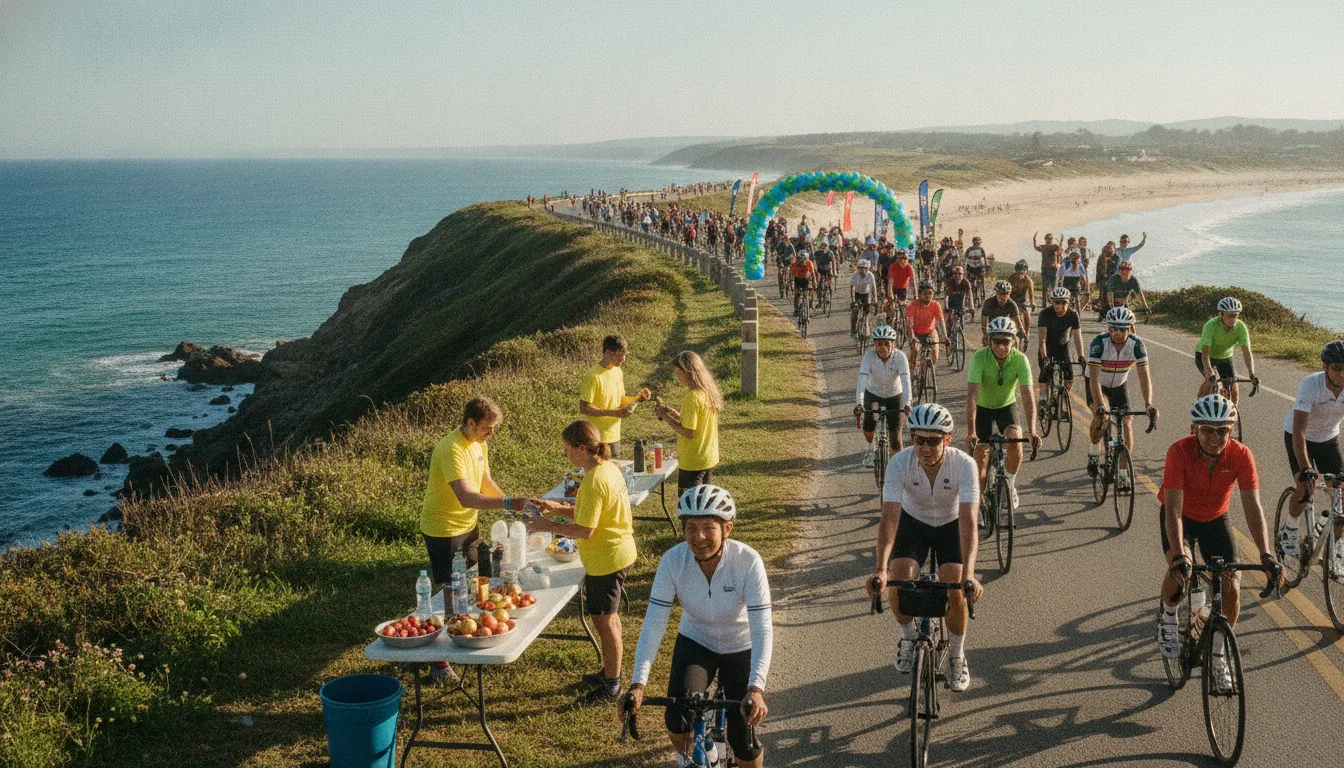
A DIY bike fundraiser gives organizers control over the route, date, theme, and beneficiary. That flexibility can be useful for a small local group with event experience. A supported charity ride gives riders a proven structure, including route planning, rest stops, fundraising resources, SAG vehicles, volunteer coordination, and a shared community story. That structure can make the event safer, easier to explain to donors, and more focused on impact.
Bike to the Beach fits the supported model. The organization hosts fully supported destination charity rides that raise funds and awareness for individuals with autism and other disABILITIES. Funds support local nonprofit partners in the regions where riders participate, which gives donors a clear connection between the ride and the communities they want to help.
Bike fundraiser choices: supported ride or DIY event?
A bike fundraiser usually falls into one of two models. In a DIY model, your group acts as the event team. You select the route, recruit riders, build the donation process, coordinate volunteers, plan rider safety, and decide how funds will move to the nonprofit. In a supported ride, you join an established event platform that has already organized the major operational pieces.
Neither option should be dismissed. DIY rides can work well when the event is small, the route is familiar, and the organizing team understands the risks of putting riders on public roads. A neighborhood ride, workplace challenge, or informal training campaign may not need the same infrastructure as a regional century ride. The key is being honest about the level of responsibility you are taking on.
A supported ride is often stronger when the goal is to create a safe, energizing, and community-centered experience without asking one person or one small committee to manage every detail. Riders can still personalize their fundraising, form teams, invite donors, and tell their own story. They simply do it inside a framework that has been built for participant support.
| Decision factor | Supported charity ride | DIY bike fundraiser |
|---|---|---|
| Best fit. | Riders or teams who want structure, safety support, and fundraising tools. | Small groups with event-planning capacity and a simple route. |
| Route planning. | Managed by an event team. | Managed by the organizer. |
| Rider support. | Rest stops, volunteers, communications, and SAG support may be included. | Organizer must recruit and train support volunteers. |
| Fundraising tools. | Participant pages, resources, and team systems are typically built in. | Organizer must choose and manage donation tools. |
| Local impact story. | Connected to named nonprofit partners or a defined mission. | Depends on the organizer’s communication plan. |
How do safety and logistics compare?
Safety is the first major difference between a supported charity ride and a DIY bike fundraiser. The CDC reports that about 1,000 bicyclists die in crashes with motor vehicles each year in the United States, and about 120,000 bicyclists are treated in emergency departments for crash-related injuries. Those numbers do not mean people should avoid riding. They do mean event planning should take route design, support coverage, communication, and weather seriously.
Route planning and rider communication
A supported ride has the advantage of repetition and process. Event teams can evaluate roads, communicate route details in advance, plan rest stops, and prepare volunteers for the flow of riders. Bike to the Beach participants, for example, can review regional ride details before the event and understand what kind of experience they are joining.
A DIY organizer has to build that system. That may include selecting roads with appropriate shoulders or bike lanes, checking construction updates, sharing maps, and creating cue sheets. It also means recruiting volunteers for key points and making sure riders know what to do if they miss a turn. These details are manageable, but they are real work.
Rest stops, mechanical help, and SAG vehicles
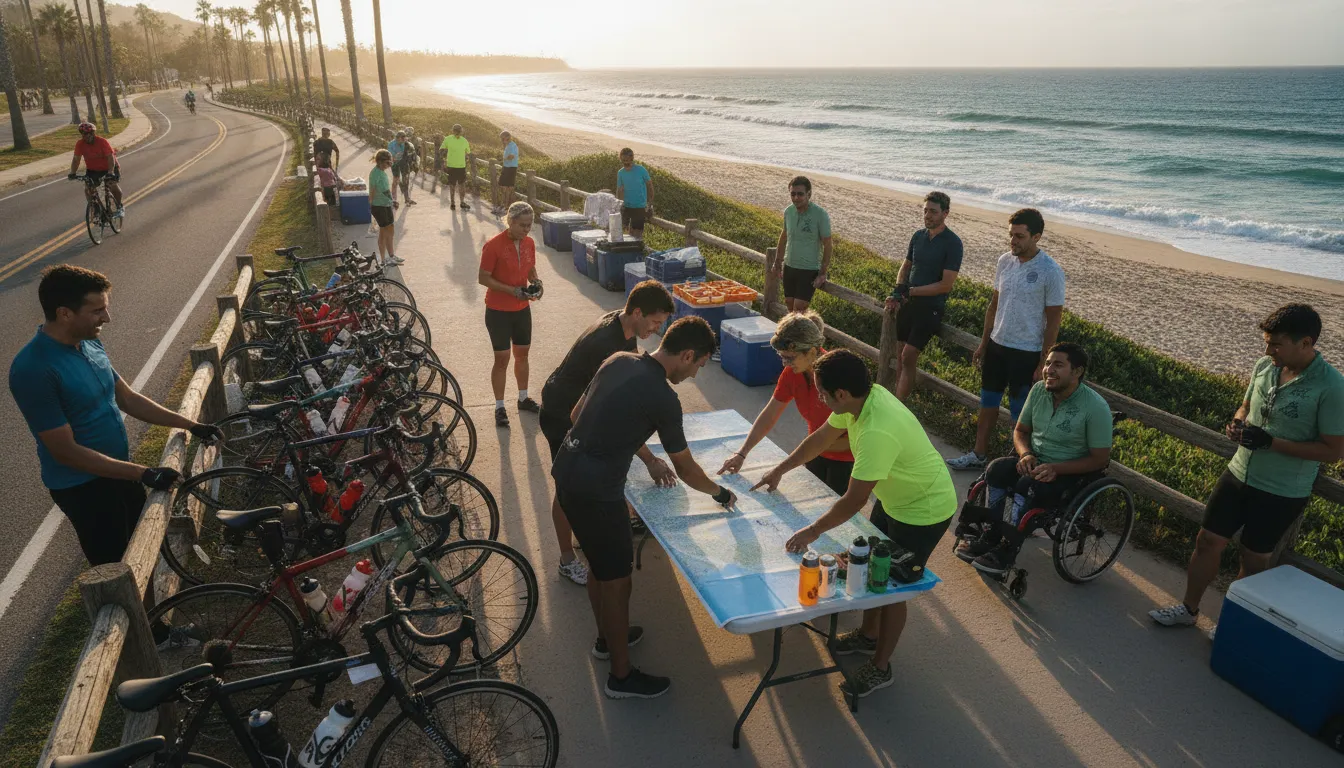
Longer rides need more than enthusiasm. Riders need hydration, snacks, basic mechanical support, and a way to get help if fatigue, weather, or equipment problems stop them from continuing. Bike to the Beach’s support model includes rest stops, mechanical support, and SAG vehicles, which can reduce stress for riders who are newer to organized charity cycling.
For a DIY event, the organizer must decide how much support is realistic. A short ride may only need a start and finish location, clear maps, and a few volunteers. A longer ride may require multiple rest stops, drivers, bike racks, spare supplies, emergency contacts, and contingency plans. The more miles you add, the more operational discipline you need.
What fundraising tools and community support matter most?
A bike fundraiser succeeds when riders can explain the mission clearly, ask donors with confidence, and track progress in a way that keeps momentum visible. DIY organizers can create those systems, but they have to choose the platform, write the messaging, manage data, and help participants who are nervous about fundraising.
Tools that make asking easier
Supported events often give participants a head start. Bike to the Beach offers fundraising resources that help riders plan outreach, communicate with donors, and stay active before ride day. These tools matter because many participants are willing to ride but unsure how to ask for support. A clear set of resources turns fundraising from a vague obligation into a practical weekly plan.
Donor trust matters too. When a rider shares a recognized event page, donors can see the campaign context and understand that the gift is connected to a larger community effort. That does not make DIY fundraising less meaningful. It simply means DIY organizers need to work harder to explain where the money goes, how donations are processed, and what follow-up donors should expect.
Team structures build accountability
Teams are one of the strongest advantages of a supported event. Riders can invite coworkers, friends, family members, and local partners into a shared goal. That structure creates accountability without making the experience feel transactional. People train together, share fundraising ideas, celebrate progress, and show up on ride day with a sense that they are part of something bigger than one individual campaign.
For organizations and employers, this can also support community engagement. A company team can ride, volunteer, sponsor, or match gifts. A local service provider can participate in a way that builds trust with families and nonprofit partners. A DIY fundraiser can build this too, but the organizer must create the team structure from the ground up.
How does local impact change the decision?
The strongest bike fundraiser model is not only the one that raises money. It is the one that helps riders and donors understand the impact of that money. Bike to the Beach is built around a local nonprofit partner model, which means funds raised in a region support local autism and disability organizations rather than disappearing into a distant, hard-to-explain campaign.
Local partners make the mission concrete
For donors, local impact is easier to understand. A rider can explain that their miles support services, programs, and community inclusion for individuals with autism and other disABILITIES in the region where the ride takes place. That direct connection helps donors see their gift as part of local action, not just a general donation.
This local focus is especially important in Bike to the Beach’s priority ride communities, including South Florida, DC/MD/VA, New England, and New York. Each region has its own riders, volunteers, nonprofit partners, and community relationships. Riders can choose the event that fits their geography and invite people who care about that same local impact.
Stories help the impact travel further
A strong fundraising event gives participants language they can use before and after ride day. Bike to the Beach’s Why We Bike stories help show the human side of the mission without relying on pity-based language. The focus is shared action, community, and the practical work local organizations do every day.
That kind of story is harder for DIY organizers if they have not already built a relationship with the beneficiary. Before launching a DIY ride, organizers should confirm how the nonprofit wants to be represented, what programs the fundraiser will support, and what language is most respectful for the community being served.
How do you choose the right bike fundraiser model?
Choose your bike fundraiser model by matching the event to your capacity, not just your ambition. A DIY ride gives you flexibility, but it also makes you responsible for safety planning, donation systems, volunteer coverage, and donor follow-up. A supported ride gives you less control over some details, but it gives you a stronger foundation for rider experience, fundraising momentum, and local impact.
Five steps to choose with confidence
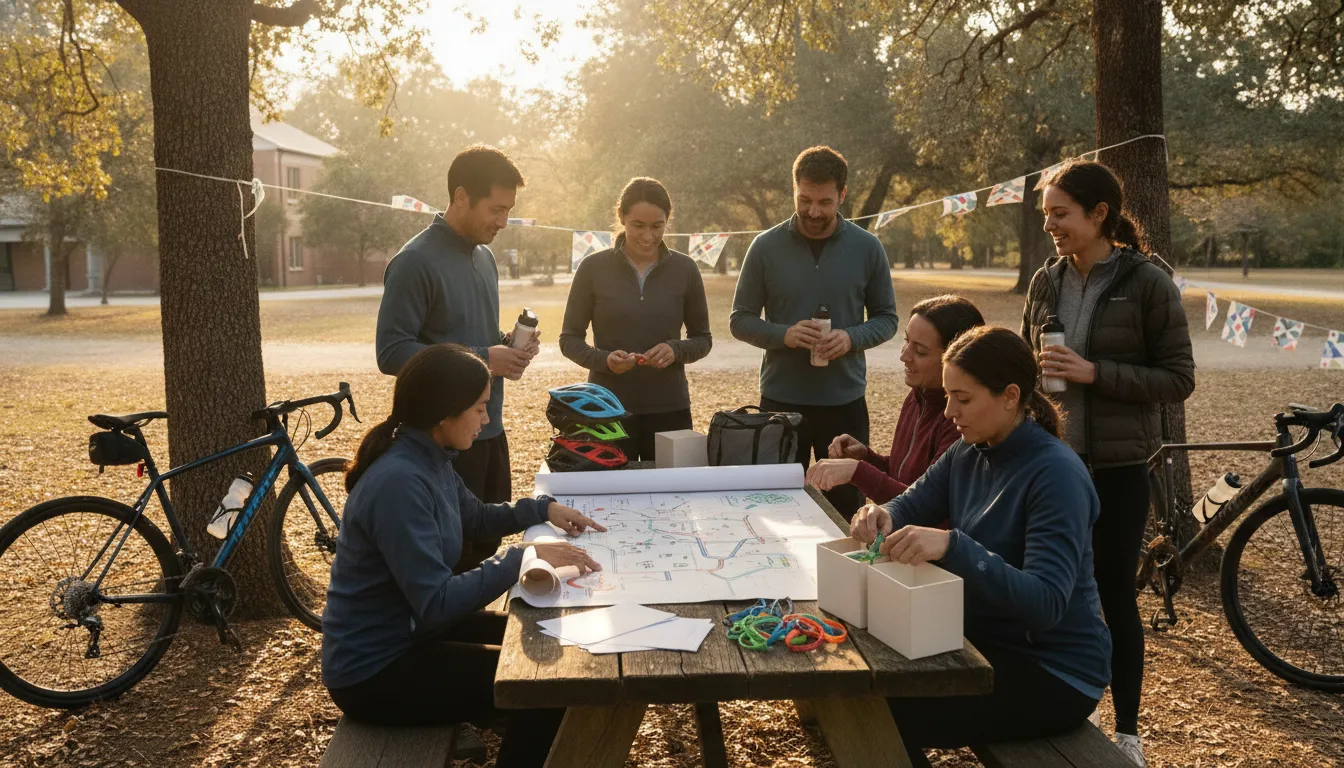
- Define the mission. Decide which nonprofit or community outcome the ride will support, and confirm that your language is accurate and respectful.
- Audit your team capacity. List who will manage route planning, volunteers, donor tools, rider communication, safety support, and post-event follow-up.
- Match the route to the support level. A short casual ride needs less infrastructure than a 50-mile, 70-mile, or 100-mile destination ride.
- Test the fundraising path. Make sure riders can register, share their page, track progress, and explain the impact in simple language.
- Choose the lowest-risk path to impact. If the logistics feel bigger than your team, join a supported event and put your energy into riders, donors, and community connection.
This decision is not about proving that one model is always better. It is about choosing the model that protects riders, respects donors, and gives the nonprofit the strongest possible outcome. For many people, the supported path offers the right balance of challenge, community, and operational confidence.
Where Bike to the Beach fits as a supported option
Bike to the Beach is designed for riders who want a meaningful challenge without having to build an event from scratch. Participants can choose a regional ride, form a team, use fundraising resources, and join a community that connects cycling with local autism and disability nonprofit partners.
The ride experience is also flexible. Bike to the Beach offers multiple distance options in its regional events, making the experience more approachable for both experienced cyclists and people taking on their first charity ride. The beach finish gives the day a clear destination, while the local partner model keeps the mission grounded in community support.
If you are weighing DIY against an established event, Bike to the Beach is worth considering when you want:
- A fully supported ride environment with practical rider resources.
- A clear fundraising path with tools, ideas, and community encouragement.
- Regional options in South Florida, DC/MD/VA, New England, and New York.
- A local-impact model that supports autism and disability nonprofit partners.
- A positive, inclusive event culture focused on shared action rather than savior language.
Riders who want to explore the next event can start with the main Bike to the Beach rides page. They can also review regional options like DC/MD/VA or learn how to sign up for an autism bike fundraiser.
Frequently asked questions about a bike fundraiser
What is the difference between a supported charity bike ride and a DIY bike fundraiser?
A DIY bike fundraiser is planned and managed by the organizer, including the route, volunteers, donation process, rider communication, and follow-up. A supported charity ride provides an established event structure, fundraising resources, route support, rest stops, SAG vehicles, volunteer coordination, and community systems so participants can focus more of their energy on riding and raising funds.
How do you start a bike fundraiser for a nonprofit?
Start by choosing the nonprofit or cause, setting a fundraising goal, deciding whether to organize a DIY ride or join a supported event, and creating a clear donation path. Then plan rider communication, safety support, route needs, volunteer roles, and follow-up. If those logistics feel too large for your group, joining an established ride can simplify the process.
What safety measures are needed for a charity bike fundraiser?
A charity bike fundraiser needs a planned route, rider communication, rest stops, volunteer coverage, weather plans, emergency contacts, and support for mechanical issues. Larger rides may also need permits, insurance review, traffic planning, and vehicles that can help riders who cannot continue.
What kind of route support is provided at a fully supported charity bike ride?
Support varies by event, but a fully supported charity ride commonly includes route guidance, rest stops, volunteer support, SAG vehicles, mechanical help, food and hydration, and organized rider communications. Bike to the Beach also uses rest stops, support vehicles, and rider resources to help participants feel prepared before and during the ride.
How do I choose between joining a ride and organizing my own fundraiser?
Choose DIY if you have a small scope, a strong volunteer team, route-planning experience, and enough time to manage logistics. Choose a supported ride if you want built-in safety systems, fundraising tools, community energy, and a clearer path from registration to local impact.
Ready to ride with purpose?
If you want the energy of a bike fundraiser without building every route, support stop, volunteer plan, and fundraising tool from scratch, Bike to the Beach can help you turn your miles into local impact. Join a fully supported charity ride, invite your team, and help fund local nonprofit partners serving individuals with autism and other disABILITIES.
Register for a Bike to the Beach ride and choose the regional event that fits your community.