
Bike Fundraiser Templates for Riders
Get bike fundraiser templates for email, text, and social posts riders can personalize to share local impact, ask clearly, and start strong today.

Success in your bike fundraiser depends on how well you share your story with fifty friends and family members. Sharing your why helps your community connect with your ride and motivates them to donate to local programs.
A bike fundraiser is most effective when you use email, text, and social media to share your story and explain your local impact to your network. Research shows that community-led plans are vital for starting cycling and building local support, as found by the National Institutes of Health. To reach your goal, you should explain that all the money stays in your town to build sensory gyms and therapy programs for families in need. Bike to the Beach reports that the average participant fundraising total is about one thousand dollars, and direct notes to friends and coworkers can help riders explain why local support matters. These simple templates give you a clear way to connect with donors and make a real difference in the lives of your friends and neighbors now.
Start your bike fundraiser with Bike to the Beach fundraising resources.
You might wonder how to start the conversation or what to say to reach your goals. We made these templates to help you reach out to your network with ease. This guide shows why bike fundraiser messages work best when they sound personal and provides the exact words you need to start with confidence.
Why do bike fundraiser messages work best when they sound personal?
When you start an autism bike fundraiser, your words have power. Friends and family want to support you. But they also want to feel the impact of their gift. A plain post might get likes, but a true story gets results. People give when they feel a real human link to the cause.
Share why you ride
The main part of your fundraising ideas is your “why.” Why did you choose to ride? Maybe you have a family member with autism. Perhaps you love how bikes build a strong community.
Research shows that shared group work is key to getting more people on bikes. When you share a story, your friends see your heart. They do not just see a goal bar.
Keep your story short and true. You do not need to use big words to sound smart. Just tell them what the ride means to you. This builds trust.
It makes your ask feel like an invite to join a mission. You are not just asking for cash. You are asking them to help you make a change.
Show the local impact
Your donors want to know where their money goes. At Bike to the Beach, we make this easy. All of the funds you raise go to local partners who help folks with autism.
You can find more fundraising resources to help you share this impact. This means your bike fundraiser supports people right in your own city.
These funds provide real help for families. They pay for things like:
- New sensory gyms for kids.
- Therapy programs that help adults grow.
- Sports for people of all ages.
- Support groups for moms and dads.
Sharing these facts helps your donors see the good they can do. It turns a small gift into a new gym or a day of therapy. When people see local results, they are more likely to give. Many riders work toward the Bike to the Beach average participant fundraising total of about $1,000 when they show this value.
How to write your message
A good message is clear and warm. You want to make it easy for people to say yes. Follow a simple path to build your post or email. Start with a warm greeting.
Then move to your story. Use facts from your health goals or the local mission to add weight.
Here is what every great message needs:
- A personal story about why you ride.
- Clear details on how the funds stay local.
- A direct link to your donation page.
- A warm ask that feels like a team effort.
Check your link before you send the message. Make sure it goes straight to your page. If the path is easy, more people will finish the task. A personal ask with a clear goal is the best way to hit your target.
Email templates for asking friends and family
Personal emails are the best way to reach your goal for your bike fundraiser. While social media posts help, a direct note shows your friends and family why this ride matters to you. People give because they care about you and the cause you support. Research shows that local outreach is key to getting more people to join charity events. Sharing your own story makes the impact feel real. When you tell folks why you are biking, they are more likely to help your mission.
How to write your first ask
Send your first note right after you sign up for the ride. This email tells people that you are part of the event and why you joined. It is best to reach out to your close friends and family first. Use the text below as a guide and add your own details to make it personal. Here are a few things to keep in mind when you write:
- Mention your ride area, such as the DMV or Florida.
- Share a personal reason why you want to help the cause.
- Tell them that 100% of the funds stay local to help neighbors.
Subject: I am riding for autism and disABILITIES!
Hi [Name],
I have big news! I am riding in the Bike to the Beach [FL/DMV/New England/NY] event this year. I will bike [50/100] miles to help people with autism and other disABILITIES. This ride is vital to me because [Reason]. My goal is to raise $[Amount] for my bike fundraiser. All of the funds stay local to help our neighbors. Your gift pays for sensory gyms and therapy right here in our area. You can give on my page: [Link].
Best,
[Rider Name]
Send a short reminder
Folks are busy and might forget to give the first time they see your note. A short reminder can help you raise more funds. Most riders find that they get more gifts after a second or third email. You can share a training update to show how hard you work. Tell them about a long ride you did or a new piece of gear you got. This keeps your friends updated on your progress and reminds them of your goal.
Subject: Training update: [Number] miles down!
Hi [Name],
I want to share an update on my bike fundraiser. I just rode [Number] miles, and I am feeling strong! I have raised $[Amount] so far, but I still need your help to hit my goal. If you have not given yet, there is still time to help. Every dollar stays local to help families near us. You can read more Why We Bike stories to see how we help. Thank you for your support!
Donate here: [Link]
Thanks again,
[Rider Name]
Say thank you and share results
Always thank your donors as soon as you see a gift come in. After the ride is over, tell everyone how it went. Share your total funds raised and how the ride felt. This makes people feel good about their gift and shows them the result of their help. They may even want to join you or help you again next year. A final thank you note is the best way to close your bike fundraiser on a high note.
Subject: We did it! Ride results and thanks
Hi [Name],
Thank you for your gift to my bike fundraiser. With your help, I finished the ride and raised $[Amount]! The ride was tough, but your support kept me going to the finish line. We are helping local groups give care to those who need it most. I am so proud of what we did together. I hope you will join me again next year!
With thanks,
[Rider Name]
Workplace and coworker donation request templates
Asking for help at work is a smart way to reach your goals. Your teammates and bosses often want to help with a good cause. An autism bike fundraiser brings people together for a common goal. It shows your drive and your care for the local area. When you ask the right way, you make it easy for your office to say yes.
Drafting an email for your team
A clear email is a top tool for reaching many people. Keep it short and friendly. Start by sharing why you are riding. Tell them about the local programs your ride helps. This helps them see how their gift makes a real change nearby. You can find more fundraising resources to help you write the best note.
Try this: “Hi team, I am biking 100 miles this year to raise money for local autism services. All the funds I raise stay in our area to help kids and families. My goal is to raise $1,000 for these vital programs. Please check out my page and think of giving any size gift.” This ask is direct and respects their time. It focuses on the local impact, which many find moving.
Add a link to your own page and a photo if you can. Seeing you in action makes the ask feel more real. It turns a simple ask into a story that people want to be part of. Most people raise more than their first goal when they share their own story and why they care.
Getting help from your boss
Your boss can be a great help. Many firms match the gifts that staff give. This means a small gift from a teammate can turn into a much larger one. Ask your boss if your firm has a gift match plan. It is a quick way to reach your finish line. You can also ask to put a small note in the firm news.
Bosses often support staff who stay active. Studies show that cycling has clear health perks for people of all ages. Your ride shows that you value health and hard work. When you talk to your boss, explain how the event helps the local area. Mention that 100% of your funds go to local partners who help people with autism.
If your boss asks for more facts, show them how others have raised funds in the past. Being ready with facts shows you mean it. This can lead to a team-wide effort that boosts how people feel. Your success is a win for the whole firm and the local families you help.
Using office chat and social groups
Office chat tools are great for quick updates. You can share a photo of a training ride or a new piece of gear. This keeps your ride in their minds without being pushy. It also lets people ask questions about your route. Staff groups are also a good place to ask. Since your ride helps local autism services, it fits their goals well.
Always thank those who give right away. A public thanks in a chat room can prompt others to give too. It builds pride in the office. People like to be part of a winning team. As you get closer to your goal, keep the office posted. Sharing your progress helps build a bond with your peers and makes the ask feel like a team effort.
Social media captions riders can copy and customize
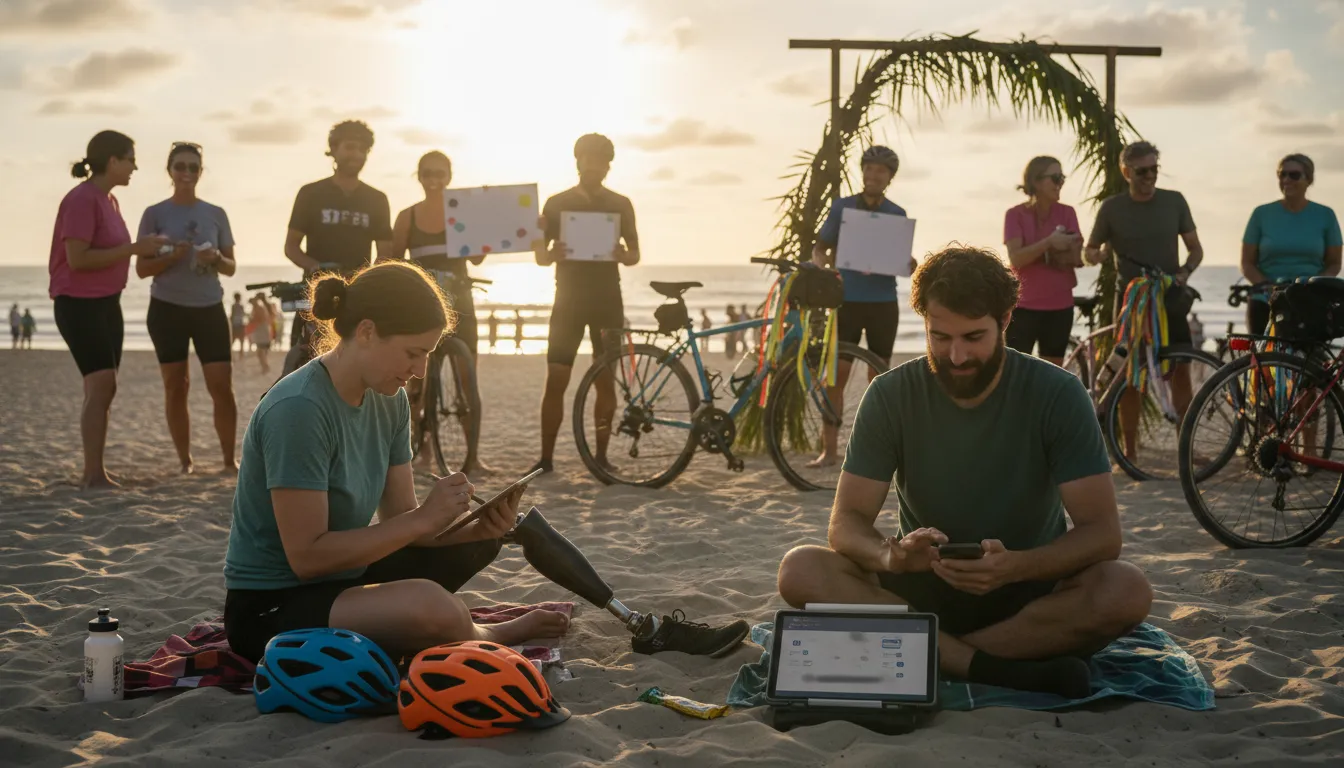
Social media is a fast way to spread the word about your bike fundraiser. While some riders feel shy about asking for money, most friends want to help a good cause. Research shows that groups can do a lot to promote cycling through shared goals. When you share your ride online, you invite others to join a group that helps local families.
The best posts feel personal and honest. You do not need to be a great writer to get results. Instead, focus on why this ride matters to you. Sharing a photo of your bike or a shot from a training ride can make your post stand out. You can also use our fundraising resources to find art and facts to share with your group.
Templates for Facebook and Instagram
Facebook and Instagram are great for quick updates. These sites work best with a strong image and a clear link to your giving page. You can copy these short posts and fill in the blanks to save time.
- “I’m biking [number] miles to support local families with autism! My goal is to raise $[amount] for the group. Can you help me reach it? [Link]”
- “Training for Bike to the Beach has been a blast. I’m riding to keep funds local for therapy and sensory gyms. Click the link to support my bike fundraiser! [Link]”
- “Pedaling for a cause! Every dollar I raise goes to [Local Partner Name]. Check out my progress and give here: [Link]”
- “Why am I riding? To build a world where all belong. Help me support our local partners by giving today. [Link]”
Try to post at different times of the day. This helps more of your friends see your message. If you are stuck on what to say, look at Why We Bike stories for ideas from other riders. Sharing a short story about a person you know can be more powerful than just asking for a gift.
Sharing your why on LinkedIn
LinkedIn is a good place to talk about the work impact of your ride. Many team members and business partners look for ways to give back to the local area. You can explain that 100% of the funds you raise go directly to local partners who provide therapy and help. This clear plan builds trust with your work group.
When you post on LinkedIn, mention the skills you are using, like grit and goal setting. You can also talk about how your firm supports local causes. This makes your bike fundraiser look like a team effort. Many people raise about $1,000 for their ride. This is much more than the $250 minimum. It shows that your work friends are ready to help if you just ask.
Keep your LinkedIn posts clean. Use a few tags like #AutismAwareness or #CharityRide to help more people find your post. If your job matches gifts, be sure to mention that too. It is a great way to double the reach of every gift from your team.
Final countdown and story updates
The last week before the ride is the most vital time for your bike fundraiser. People often wait until the last minute to give. This is when you should post more often to remind everyone of your goal. A countdown post works well here. You can say “Only 3 days left to hit my goal!” to create a sense of rush.
Use your story posts to show what happens behind the scenes. Show yourself packing your gear or doing a final check of your bike. These real moments help your friends feel like they are on the path with you. You do not need a fancy camera. Your phone is enough to catch the fun of the beach finish.
Text message templates for quick donation asks
Texting is one of the most direct ways to reach your close network. Most people check their phones within minutes of getting a message. This makes it a great tool for a bike fundraiser when you need a quick boost. Since you are texting friends and family, keep the tone light and personal. Sharing your “why” is the best way to get people to join your cause.
Why SMS works for your bike fundraiser
A quick text feels less formal than an email. It allows for a fast back-and-forth between you and those who give. Research shows that local groups are key to getting people to bike through social support. When you text a friend, you are not just asking for cash. You are asking them to be part of a local impact story. Our riders raise about $1,000 on average because they use these personal touches.
Texting also lets you share your progress in real-time. You can send a quick photo from a training ride or a link to your page when you hit a goal. This keeps your friends involved in the journey. It turns a one-time gift into a shared goal for everyone in your circle.
Templates for every stage
Use these templates to get started. Be sure to swap the info in brackets with your own details. You can find more fundraising ideas on our blog to keep your outreach fresh.
- The First Ask: “Hey [Name]! I’m biking for Bike to the Beach this year to support local autism services. 100% of what I raise stays right here in our area. Would you be open to giving $25 to my ride? Here is my link: [URL]”
- The Reminder: “Hi [Name], just a quick update! I’m halfway to my goal for my bike fundraiser. Every bit helps with things like sensory gyms and therapy for local kids. If you’d like to help, you can find my page here: [URL]”
- The Group Chat: “Hey everyone! I’m taking on a big ride for autism and disABILITIES services next month. I’d love your support to help hit my goal. No pressure at all, but check out why I’m riding here: [URL]”
- The Thank You: “Thank you so much for the gift, [Name]! Your help goes straight to helping families in our community. I’ll send you a photo when I cross the finish line!”
When you use these templates, keep your reason for riding at the center. If you are biking for a certain family member or friend, mention them. People give to people they care about. A short, honest message is often more useful than a long, scripted one.
How to text without the pressure
No one likes to feel pushed into giving. To avoid this, always offer an “out” in your message. Use phrases like “no pressure at all” or “if you are able to help.” This keeps the talk friendly and kind. If someone does not reply, it is okay to send one gentle follow-up a week later. After that, move on to other contacts.
Timing is also important for your bike fundraiser. Send your texts during the day when people are likely to have their phones handy but are not too busy. Avoid late nights or early mornings. A well-timed text shows you respect their time while still being happy about your cause.
How should riders follow up without feeling pushy?
Following up on your gift requests is the best way to reach your goal. Many people want to help your cause but may just forget to act on the first note. In a bike fundraiser, a kind nudge is often seen as a helpful hint rather than a bother. Research shows that local plans work best when they move beyond just giving a path to ride and focus on social links. You can learn more about how local groups help biking through shared goals and group work.
Timing your notes for the best response
The key to a good follow-up is when you send it. You do not want to fill an inbox, but you do want to stay in mind as the event gets close. Spacing out your notes gives your friends and family time to plan their gift. It also lets you share parts of your path, like how your training is going or the local plans your ride will help. For more help, check out our fundraising tools to help you plan your dates and stay on track.
Using a few ways to reach out is also good for your bike fundraiser. Some people like a text, while others like email or social posts. By using different ways to ask, you can meet people where they feel best. This mix of ways helps keep your work seen without being the same every time. You can also find more fundraising ideas on our blog to keep your outreach fresh and fun for those who give to your campaign.
| Next Step | When to Send | Aim | What to Say |
|---|---|---|---|
| First Ask | 4 to 6 weeks out | Get the word out | Share your “why” and your personal goal. |
| Mid-Way Update | 2 to 3 weeks out | Keep the speed | Share training news or local impact. |
| Last Call | 3 to 7 days out | Final push | State the final day to give. |
| Post-Ride Thanks | 1 to 2 days after | Enjoy the win | Show the total impact and the finish line. |
Quick customization checklist
- Add your personal reason for riding.
- Paste your personal donation link.
- Name your region or ride community.
- Thank people clearly, whether they give or share.
Download the Bike to the Beach fundraising resources before you send your next ask.
Frequently Asked Questions
What is the best way to ask for donations for a bike ride?
The best way is to use many tools like email, text, and social media. You should always make your note personal and share the clear reason why you ride. As said by Bike to the Beach, showing where the funds go helps get friends and family to help. This personal touch makes your ask feel more real and vital to the people you know.
What happens to the money from a bike fundraiser?
In many local events, the help stays right in your own town. At Bike to the Beach, all funds raised by riders go to local groups that help people. These gifts pay for things like therapy, gyms, and family help. By focusing on local needs, these rides make sure your hard work on the bike leads to real change for people with disABILITIES in your area.
How do charity bike rides work?
Most bike rides give you full help on the road and ask you to hit a goal for funds. These rules help keep the event safe and strong for all who join. While the goals can change, many riders find that their friends are very kind. For example, the average rider in these events raises about 1,000 dollars. This is often much more than the base cost to enter.
How can I fundraise if I cannot attend the event?
You do not have to be at the start line to help your town. Many groups offer ways to join through virtual tasks. These let you set your own goals and raise money from any place. You can still use web tools and notes to reach out to people you know. This makes sure that anyone can support autism and disABILITIES services no matter where they live.
Ready to reach your fundraising goal for the ride?
Waiting too long to start makes it harder to reach your goal since your friends need time to act. Your family and friends often need a few reminders before they can sit down and give. If you wait, you miss the chance to help local families with disABILITIES who need this care. These funds stay in your area to build sensory gyms and help people who need it most. By starting today, you hit your goal early and can focus on getting ready for the ride. Do not leave your ask to the last minute when these tools make it easy to start now.
Request your fundraising tools and start your next bike fundraiser message today.