

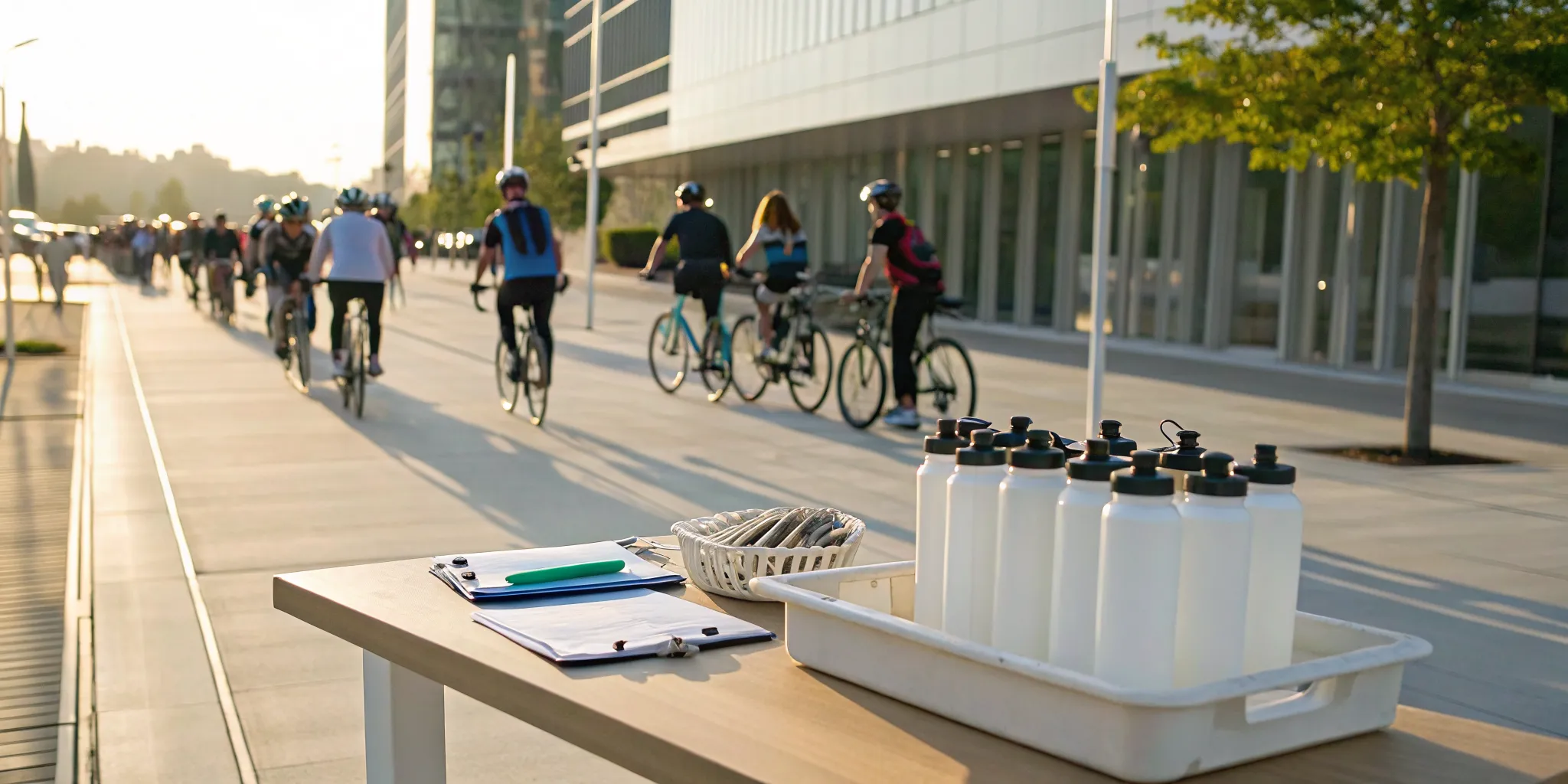
Bike a Thon Fundraiser: A Practical Organizer Guide
Learn how to plan a successful bike a thon fundraiser with practical steps for building community, raising funds, and creating a memorable event.

A bike a thon fundraiser is a powerful thing. It’s the perfect blend of personal achievement and collective impact. Each rider takes on a physical challenge, but they aren’t riding alone. They are part of a community moving toward a common goal. This guide shows you exactly how to plan a bike-a-thon that harnesses this incredible energy. We’ll give you the practical steps to turn participants into passionate advocates and create an unforgettable event that truly matters. Let’s get your community moving.
Key Takeaways
- Lead with your mission to build community: A bike-a-thon’s success comes from its shared purpose. Center your event on a clear, compelling story to unite riders, volunteers, and sponsors, turning a physical challenge into a powerful community movement.
- Diversify your fundraising for greater impact: A strong financial plan uses multiple streams of support. Combine individual peer-to-peer fundraising with corporate sponsorships and registration fees to cover event costs and maximize the funds that go directly to your cause.
- Plan for the entire event journey: A memorable ride requires attention to detail before, during, and after the event. Prioritize safety and logistics in your planning, create a supportive atmosphere on ride day, and follow up with gratitude to build loyalty for years to come.
What Is a Bike-a-Thon Fundraiser?
A bike-a-thon fundraiser is an event where people raise money for a cause they care about by riding their bikes. It’s a powerful and active way to bring a community together, combining a love for cycling with a shared goal of making a difference. Unlike a traditional race, the focus isn’t just on speed or crossing the finish line first. Instead, the real victory comes from the collective impact of riders, donors, and volunteers working toward a common purpose. It’s about the journey, the connections made along the way, and the funds raised to support important work in your local community.
At its heart, a bike-a-thon channels the energy of individuals into a significant, unified effort. Each rider becomes an advocate, sharing the story of the cause and inviting their network to contribute. This model creates a ripple effect, raising not only vital funds but also awareness for the mission. It’s a chance to get outside, challenge yourself physically, and connect with others who share your passion for creating positive change. That’s exactly why we bike—to build a community dedicated to empowering individuals with autism and other disabilities and supporting the local partners who serve them year-round.
How Does a Bike-a-Thon Work?
The core of a bike-a-thon is its peer-to-peer fundraising model. It’s simpler than it sounds: each rider signs up and gets a personal fundraising page. From there, you share your page with friends, family, and colleagues, asking them to support your ride with a donation. People can either pledge a certain amount for every mile you complete or give a flat donation to support your overall effort. This approach empowers every participant to become a fundraiser, multiplying the event’s impact far beyond what a single organization could achieve alone. It turns a personal challenge into a team effort for a great cause.
Choosing Your Bike-a-Thon Format
Bike-a-thons are incredibly versatile and can be tailored to fit any community or cause. They make fantastic annual events, allowing organizations to build momentum and create a tradition that supporters look forward to each year. Because they can accommodate various distances and skill levels, they appeal to a wide range of people, from seasoned cyclists looking for a century ride to families wanting a fun, shorter route. This flexibility is key to building an inclusive event where everyone feels welcome. Whether it’s a scenic ride to the coast like our New England event or a local community loop, the format can be adapted to create a memorable and meaningful experience for all.
Alternative Formats: Bike to Work Week
If a single-day event feels too restrictive, consider a “Bike to Work Week.” This format is a fantastic way to engage people right where they are—in their daily routines. Instead of a weekend ride, participants raise funds by commuting on their bikes for an entire week. It’s an excellent option for corporate teams, as it promotes employee wellness, team-building, and environmental responsibility all at once. Companies can rally their staff, create internal competitions, and showcase their commitment to community impact. This model lowers the barrier for entry, making it easy for more people to participate and contribute. It’s a creative way to build momentum and provides a perfect opportunity for businesses to get involved as a community sponsor.
Making Your Event Family-Friendly
To truly build a community-first event, make it welcoming for all ages. A family-friendly bike-a-thon expands your reach beyond dedicated cyclists to include parents, kids, and everyone who wants to show their support. The key is to prioritize safety with clear routes, helmet requirements, and first-aid stations. Offer shorter, protected loops for younger riders—or even let them use scooters or just run! This inclusivity ensures that everyone, regardless of their cycling ability, can be part of the day. By creating a fun, safe atmosphere, you empower entire families to participate together, strengthening the very community you aim to serve. It’s this spirit that makes our rides in places like Florida so special, bringing people together for a shared purpose.
How Does a Bike-a-Thon Raise Money?
A successful bike-a-thon is a powerful fundraising engine, and its strength comes from combining several different methods of generating support. It’s not just about one big check; it’s about creating multiple avenues for people to contribute, making it possible for everyone in the community to play a part. The financial model is built on a powerful combination of individual peer-to-peer fundraising, corporate partnerships, and participant registration.
This layered approach ensures that the event can cover its operational costs while maximizing the funds that go directly to the cause. Riders become advocates, friends and family become donors, and local businesses become essential partners. Each piece works together to build financial momentum, turning a day on the bike into a significant source of support for nonprofit organizations. By understanding how these different streams work, you can see the full picture of a bike-a-thon’s community-wide impact.
Show Donors Their Impact
The real magic of a bike-a-thon happens when donors see exactly how their support makes a difference. It’s more than just a transaction; it’s an investment in a shared mission. Each rider acts as a storyteller, sharing not only their personal reasons for riding but also the larger story of the cause. This personal connection is what inspires friends and family to contribute. By empowering every participant to share their story, you create a powerful ripple effect that extends far beyond the fundraising goal. It builds a community of advocates who are deeply connected to the mission, raising both crucial funds and invaluable awareness for the work you do. This is how a single bike ride transforms into a movement.
Explore Corporate Giving Programs
Beyond individual donations, corporate partnerships are a cornerstone of a financially healthy bike-a-thon. Local businesses are often looking for meaningful ways to give back to their communities, and sponsoring your event is a perfect fit. Start by reaching out to companies in your area, explaining your mission and the visibility they’ll receive in return. Offering benefits like logos on event t-shirts, banners at the finish line, or mentions on social media makes it a win-win. These partnerships not only provide essential funding for event logistics but also show the community that local businesses are invested in the cause. If you’re looking for a great example, you can see how companies can become a sponsor and align their brand with a powerful local mission.
Use Modern Fundraising Tools
Making it easy for people to sign up and donate is critical for a successful bike-a-thon. Modern online fundraising platforms are essential for streamlining this process. The right tools allow riders to quickly create and customize their own fundraising pages, where they can share their personal stories and track their progress toward their goals. For donors, it means a simple, secure way to contribute in just a few clicks. This technology removes barriers and empowers your participants to focus on what they do best: sharing their passion for the cause. Providing clear instructions and fundraising resources helps ensure everyone feels confident using the platform, maximizing both participation and the total funds raised for your mission.
Fundraising with Pledges Per Mile
At the heart of most bike-a-thons is a peer-to-peer fundraising format. Riders don’t just cycle; they become ambassadors for the cause. Each participant reaches out to their network of friends, family, and colleagues to gather donations, or pledges, in support of their ride. Some donors choose to pledge a certain amount for each mile the participant bikes, which can be a great motivator. This model is powerful because it’s personal. It allows riders to share why they bike and connect their physical challenge to a meaningful mission, inviting their community to be part of their journey from training to the finish line.
Keeping It Simple with Flat Donations
While per-mile pledges are a classic option, the most common approach today is the flat donation model. This is exactly what it sounds like: supporters make a one-time, flat donation to a rider’s fundraising page. This method is simple, direct, and incredibly effective. It removes any guesswork for the donor and makes the process quick and secure. For riders, it simplifies tracking their progress toward their fundraising goal. Most online fundraising platforms are built around this model, allowing supporters to give any amount they feel comfortable with in just a few clicks, which often encourages higher overall contributions.
Securing Corporate and Local Sponsorships
Beyond individual donations, corporate sponsorships and local partnerships are vital. Businesses can become a sponsor by providing financial support in exchange for brand visibility, or they can offer in-kind donations like food for rest stops, water, or gear for volunteers. These contributions are essential for covering the logistical costs of putting on a safe, fully supported event. When operational expenses are covered by sponsors, it means that more of the money raised by individual riders can go directly to the nonprofit partners and the communities they serve. It’s a true win-win that deeply embeds the event in the local business community.
Name Your Sponsorship Tiers
Creating a clear, tiered sponsorship structure makes it easy for local businesses to see exactly how they can contribute. Think in terms of levels like Bronze, Silver, and Gold, each with its own set of defined benefits. A lower tier might offer a logo on the event website, while a higher tier could include brand placement on rider jerseys and a presence at the finish line. This approach allows companies of all sizes to find a contribution level that fits their budget. You can also create specific opportunities for in-kind sponsors, like “Official Hydration Partner” for a company that donates water. When you outline sponsorship opportunities clearly, you remove the guesswork and frame the partnership as a mutually beneficial relationship built on shared community values, making it easy for a business to say “yes.”
Funding Your Event with Registration Fees
Most charity rides include a registration fee. This upfront commitment helps cover the initial, direct costs for each participant, such as their event jersey, insurance, and access to route support and finish line festivities. Some events also establish a fundraising minimum, which is a baseline amount each rider agrees to raise to participate. This ensures that every cyclist on the course is also an active fundraiser for the cause. Think of the registration fee as your ticket to the event, while your fundraising is your direct contribution to the mission. You can see an example of this on our New England ride page.
Why Host a Bike-a-Thon Fundraiser?
A bike-a-thon is so much more than a way to raise money. It’s an active, engaging event that brings your mission to life and gets your entire community moving for a cause. By combining physical activity with fundraising, you create a memorable experience that connects people to your work on a personal level. It’s a powerful way to raise funds while building a strong, supportive community around your organization.
Hosting a bike-a-thon offers three key benefits that can transform your fundraising efforts: it energizes your community, promotes well-being, and builds relationships that last long after the ride ends.
Stand Out with a Unique Event
A bike-a-thon is a memorable experience that stands out from the typical charity walk or gala. Because these events are so versatile, you can tailor them to fit your community and cause perfectly. They can become an annual tradition that supporters look forward to all year. By offering various distances and route options, you can create an inclusive atmosphere that welcomes everyone, from experienced cyclists ready for a century ride to families looking for a fun, shorter path. This flexibility is what makes a bike-a-thon so special. It’s not just a race; it’s a shared adventure, like our scenic ride from DC to Dewey Beach, that builds a strong sense of community and leaves everyone with a feeling of accomplishment.
High Fundraising Potential
A well-organized bike-a-thon is a fundraising powerhouse because it creates multiple ways for people to get involved. The financial success isn’t reliant on a single source of income. Instead, it’s built on a powerful combination of individual peer-to-peer fundraising, corporate sponsorships, and participant registration fees. This layered approach allows everyone in the community to play a part, whether they’re riding, donating, or sponsoring a rest stop. By bringing these different streams of support together, you can cover event costs while ensuring the maximum amount of funding goes directly to your mission, turning a day of cycling into a major source of support for your cause.
Build Community and Raise Awareness
A bike-a-thon is one of the most visible ways to get your message out. It literally puts your cause on the map as riders travel through local neighborhoods, turning streets into a moving billboard for your mission. This kind of event naturally starts conversations and attracts attention from local media and residents. It’s a perfect opportunity to bring different groups together, uniting riders, volunteers, local businesses, and families through shared action and community involvement. A bike-a-thon helps people learn about your nonprofit in a dynamic and memorable way, creating a ripple effect of awareness that extends far beyond the event day itself.
Get People Moving for a Good Cause
Pairing your cause with a health-focused event sends a powerful, positive message. A bike-a-thon encourages people to get active and challenge themselves physically, all while supporting a mission they care about. This approach appeals to a wide audience, from serious cyclists looking for a new challenge to casual riders and families wanting a fun day out. By creating an inclusive event for all fitness levels, you build a welcoming environment where everyone can participate. This focus on well-being not only benefits your riders but also strengthens your organization’s image as one that cares about the entire community’s health.
Create Lasting Connections with Supporters
A bike-a-thon creates connections that a simple donation button can’t. When people train for, ride in, and celebrate at your event, they form a genuine bond with your organization and with each other. The shared experience of crossing the finish line builds a powerful sense of camaraderie and accomplishment, turning participants into passionate, long-term advocates. These events make great annual traditions that supporters look forward to year after year. They also provide a fantastic platform for building deep relationships with corporate sponsors who are looking for meaningful ways to engage their employees and give back to the community.
How to Plan Your Bike-a-Thon Goals and Route
A great bike-a-thon is built on a solid foundation. Before you can rally riders and sponsors, you need a clear vision for what you want to achieve and where you’re going. This planning phase is all about setting intentional goals and mapping out a route that is safe, fun, and inspiring for everyone involved.
Set a Clear and Achievable Fundraising Goal
First things first, let’s talk numbers. A specific fundraising goal gives your event purpose and helps motivate everyone from your team to your donors. Start by thinking about the impact you want to make. How much do you need to raise to fund a specific program or support a certain number of families? Once you have your big number, break it down. Set individual and team fundraising minimums to make the goal feel more accessible. This also helps you calculate how many riders you’ll need to reach your target. Remember, your goal is the “why” behind every pedal stroke, connecting your community’s effort to the mission you serve.
Choose a Safe and Scenic Route
Your route is the centerpiece of the rider experience, so make it a great one. You can choose a point-to-point course, like our rides that end at the beach, or a looped course that starts and finishes in the same spot. Consider offering multiple distance options, like a 100-mile century ride alongside a 25-mile route, to welcome cyclists of all skill levels. Prioritize safety by choosing well-paved roads with minimal traffic and clear signage. A beautiful, scenic path makes the ride more memorable and gives participants another reason to come back next year. Check out our New England ride for an example of a route that combines challenge with incredible scenery.
Deciding on Route Distance
One of the best things about a bike-a-thon is its flexibility. You can design it to welcome everyone, from competitive cyclists who love a 100-mile challenge to families who want a fun, shorter ride. Offering multiple distance options is the key to building an inclusive event that appeals to your entire community. Think about creating a full century ride, a metric century (about 62 miles), and a shorter 25-mile route. This approach ensures that no one feels left out and everyone can find a challenge that feels right for them. At Bike to the Beach, our DC ride, for example, offers several distances, which helps us bring together a diverse group of riders all supporting the same mission. It’s all about creating an environment where every participant can succeed.
Pick the Perfect Date
Your event date can make or break your bike-a-thon. The goal is to choose a day when your community is most likely to show up and the weather is on your side. Look at the calendar for a weekend in the spring or fall when temperatures are generally mild and pleasant for cycling. Before you lock it in, do a little research. Check for conflicts with other major local events, holidays, or charity walks and rides. You don’t want to compete for participants, volunteers, or attention. For instance, our Florida ride is scheduled to take advantage of the beautiful spring weather. Picking a clear date on the community calendar gives your event the best possible chance to shine and attract a great crowd.
Handling Permits, Insurance, and Safety
This step is all about due diligence. It might not be the most exciting part of planning, but it’s essential for a safe and legitimate event. Start by contacting your local city or county offices to find out what permits are required for road closures, park usage, or public gatherings. You will also need event insurance to protect your organization, volunteers, and participants. Finally, have a lawyer draft a liability waiver for all riders to sign during registration. Taking care of this paperwork upfront ensures your event runs smoothly and gives everyone peace of mind, allowing them to focus on the ride and the cause.
Establish Clear Helmet and Safety Rules
Safety is the foundation of a great community event, and it starts with clear rules. The most important one is simple: every rider must wear a properly fitted helmet, buckled at all times. This isn’t just about checking a box; it’s about showing every participant that their well-being is your top priority. Communicate this rule clearly on your website, in emails, and during a pre-ride briefing. When riders feel safe and supported, they can focus on the fun, the challenge, and the community they are riding for. This commitment is a core part of what makes our fully supported rides a success.
Beyond helmets, a solid safety plan includes the bikes and the rules of the road. Encourage participants to get a basic bike check before the event to ensure their brakes and tires are ready. Partnering with a local bike shop for pre-ride inspections is a great way to add value. During your pre-ride briefing, review key road rules, explain your route markings, and tell riders how to signal for help. Taking care of these details proactively builds trust and ensures the day is remembered for the miles ridden and money raised, not for preventable mishaps.
How to Recruit Riders and Sponsors
A beautiful route and an ambitious fundraising goal are fantastic starting points, but your bike-a-thon truly comes to life with people. Building a community of riders, volunteers, and sponsors is the heart of your event. It’s about creating shared energy and purpose that extends far beyond the finish line. Successful recruitment isn’t just about filling spots; it’s about inviting people to be part of something meaningful, connecting them to your cause and to each other.
This is where your mission takes center stage. Before you send the first email or post on social media, get crystal clear on your “why.” Why should someone ride 100 miles for your cause? Why should a local business invest its resources in your event? Your story is your most powerful recruitment tool. Weave it into every piece of communication, from your website to your registration page.
Think of recruitment as community building. You are gathering a diverse group of people, each with their own motivations. Some are seasoned cyclists looking for a challenge, while others are first-time riders inspired by a personal connection to your mission. Your sponsors are looking for meaningful ways to engage with their community. Your job is to create a welcoming, inclusive, and inspiring space where all these individuals can come together to make a difference. Let’s walk through the practical steps to gather your community and build the momentum you need for a successful and impactful ride.
Build Your Core Organizing Team
A passionate organizing team is your foundation. You can’t do it all alone, so gather a few dedicated people to share the work and the wins. Think about the key roles you’ll need to fill: a marketing lead to spread the word, a logistics coordinator to manage event-day details, and a sponsorship outreach captain to connect with local businesses. Running a successful bike-a-thon requires creative fundraising strategies and deep community involvement, and a great team brings diverse skills and energy to the table. Empower each person to own their role, and schedule regular check-ins to keep everyone aligned and motivated.
Encourage Early Sign-Ups with Incentives
Getting people to sign up early is key for building momentum and simplifying your planning process. A great way to encourage early commitment is by offering incentives. Consider creating an “early bird” discount on registration fees for the first 50 riders or for anyone who signs up in the first month. You could also offer exclusive merchandise, like a limited-edition t-shirt or water bottle, for early registrants. Another popular idea is to give top fundraisers or early teams special recognition on social media or at the starting line. These small rewards make your supporters feel valued and create a sense of excitement from day one.
Create a Compelling Sponsorship Pitch
Local businesses and corporate partners can provide crucial funding and resources for your event. To get them on board, you need a clear and compelling sponsorship pitch. Start by creating tiered sponsorship packages that outline the specific benefits for each level of support. For example, a top-tier sponsor might get their logo on the official ride jersey, a booth at the finish line festival, and multiple mentions in your email campaigns. Clearly explain how their support directly contributes to your cause and offers them valuable visibility. When a company decides to become a sponsor, they are aligning their brand with a positive, community-driven mission.
Solving Common Recruitment Challenges
Every event faces recruitment challenges, but you can get ahead of them with smart planning. One of the most common hurdles is not dedicating enough resources to promotion. From the beginning, allocate a specific budget and timeline for marketing your bike-a-thon. Another frequent concern for potential riders is the cycling distance. Make your event more inclusive by offering multiple route options, like a 25-mile ride alongside a full century. Encourage participants to form teams to build camaraderie and a supportive atmosphere. By anticipating these obstacles, you can create a welcoming event that attracts a wide range of participants and ensures no one feels left out.
Preparing Your Participants for Success
Once your riders are signed up, your job shifts to being their biggest cheerleader and best resource. A participant who feels confident, prepared, and supported is more likely to meet their fundraising goals and have an incredible experience on event day. Setting your riders up for success isn’t just good practice; it’s a core part of building a loyal community that comes back year after year. By providing clear guidance and practical tools, you empower them to focus on what matters most: the ride and the mission. Here’s how to equip your participants for a safe and memorable journey to the finish line.
Provide a Sample Training Plan
For many participants, a charity ride is the most ambitious cycling goal they’ve ever set. You can help them cross the finish line with confidence by providing a sample training plan. A structured plan helps riders gradually build endurance and prevents injuries, making the challenge feel manageable. One of the best ways to stay motivated is to follow a training plan that breaks the journey down into weekly goals. Offer a few different options tailored to various distances and fitness levels, from a beginner 8-week plan to a more intensive 12-week schedule for century riders. This simple resource shows you’re invested in their personal success and safety, reinforcing the supportive, community-first spirit of your event.
Share a Pre-Ride Checklist
Help your riders eliminate event-day stress by giving them a comprehensive pre-ride checklist a week or two before the event. A great checklist covers everything from what to wear and pack to final bike tune-ups and nutrition tips. Include reminders for essential gear like a helmet, water bottles, and sunscreen, as well as logistical details like arrival times and parking information. This is also a great place to remind them to share their fundraising page one last time. By prioritizing safety and logistics for them, you free up their mental energy to soak in the experience and connect with the community. This level of care is what makes an event feel truly supportive and builds the loyalty that keeps people coming back to ride for your cause.
Teach a Pre-Ride Bike Safety Check
Nothing can derail a great ride faster than a preventable mechanical issue. Empower your participants to be self-sufficient by teaching them how to perform a simple pre-ride bike safety check. You can share a short video or a one-page guide that walks them through the “ABC Quick Check”: Air (checking tire pressure), Brakes (making sure they are responsive), and Chain (checking for proper lubrication and function). This simple routine takes less than five minutes but can prevent the most common roadside problems. Promoting this practice gives everyone peace of mind and reinforces your commitment to a safe event, allowing riders to focus on the journey and the powerful sense of community involvement they are a part of.
How to Promote Your Bike-a-Thon
Once your plans are in place, it’s time to spread the word. A great promotional strategy does more than just fill registration spots; it builds a groundswell of community energy around your cause. Your goal is to connect with people on a personal level, sharing the story of why your ride matters and inviting them to be part of it. Think of promotion as community outreach. It’s your chance to share your mission, inspire action, and welcome new riders, volunteers, and donors into the fold. A multi-channel approach ensures your message reaches people where they are, from their social media feeds to their local coffee shop.
Promote Your Event on Social Media
Social media is your digital megaphone for building buzz and connecting directly with your community. Start by creating a unique, memorable hashtag for your event that riders and supporters can use. Share a steady stream of engaging content, including photos and videos from past events, spotlights on your nonprofit partners, and personal stories from participants that highlight why we bike. Create a Facebook Event page to make it easy for people to RSVP, invite friends, and receive updates. Encourage your registered riders to become ambassadors by providing them with shareable graphics and pre-written posts. This empowers them to share their fundraising pages and personal motivations, extending your reach far beyond your own followers.
Partner with Local Media and Community Groups
Don’t underestimate the power of local connections. Building relationships with community partners is one of the most effective ways to get the word out. Reach out to local news stations, radio shows, and community bloggers with a press release detailing your event and its impact. Frame it as a positive, local story about people coming together for a great cause. Connect with local businesses that align with your mission, like bike shops, fitness studios, and family-friendly cafes. Ask them to hang flyers, share your event in their newsletters, or even form a corporate team. These partnerships not only amplify your message but can also lead to valuable event sponsorships. You can learn more about how to become a sponsor and create mutually beneficial relationships.
Distribute a Press Release
Think of a press release as your formal announcement to the media. It’s a professional way to invite local news outlets, radio stations, and community bloggers to cover your bike-a-thon. A great release frames your event as a positive community story, highlighting how local people are coming together for a shared purpose. Be sure to include all the essential details: the date, location, route, and the mission behind the ride. This is your chance to clearly explain why you bike and the impact the funds will have. This visibility not only raises awareness but can also attract attention from local businesses looking for meaningful partnership opportunities.
Run an Engaging Email Campaign
Email is a powerful tool for communicating with your most dedicated supporters. It’s your direct line to people who have ridden with you before, donated to your cause, or expressed interest in getting involved. Plan a series of emails that guide your audience from awareness to registration. Start with a “save the date,” follow up with an official registration announcement, and continue with reminders and updates. To encourage early sign-ups, offer an incentive like a discounted registration fee for the first 100 riders or a piece of exclusive merchandise. You can also use email to support your registered riders with fundraising tips, training advice, and logistical information for ride day. Keep your emails personal, inspiring, and focused on a clear call to action, like directing them to the New England ride registration page.
Choose a Theme to Excite Participants
A fun theme can transform your bike-a-thon from a simple fundraiser into a truly memorable experience. It gives your event a distinct personality and creates a stronger sense of unity among participants. The theme doesn’t have to be complicated; it can be as simple as a color scheme, a “superhero ride” for your community heroes, or a tropical theme that ties into your beach destination. Weave your theme throughout your promotional materials, from social media graphics to event signage and rider t-shirts. Encourage riders to participate by decorating their bikes or dressing up, which makes for fantastic photo opportunities. A creative theme gets people talking, generates excitement, and helps make your bike-a-thon an annual tradition that people look forward to all year. You can even offer themed items in your online shop to help people get ready.
What Tools and Resources Do You Need?
Pulling off a successful bike-a-thon means equipping yourself with the right tools for the job. From digital platforms that streamline fundraising to the on-the-ground gear that keeps riders safe and happy, having a solid toolkit is non-negotiable. Think of these resources as your event’s support crew, working behind the scenes to ensure everything runs smoothly so you can focus on your mission and your community. Planning ahead and gathering these essentials will make all the difference on event day.
Choosing Your Bikeathon Fundraising Software
A dedicated fundraising platform is your event’s command center. It simplifies the entire process, from signing up riders to tracking donations in real time. Look for an all-in-one system that lets participants easily create personal fundraising pages, share their progress, and see team leaderboards. This not only makes it easier for them to ask for support but also adds a fun, competitive element. A great platform will also handle registration and collect fees, saving your team countless hours of administrative work. The right fundraising software empowers your riders and gives you a clear view of your progress toward your goal.
Key Software Features to Look For
When you’re comparing platforms, focus on features that make life easier for both you and your riders. A user-friendly design is non-negotiable; your participants should be able to set up their pages and share them from any device without needing a tech support session. Look for tools that empower your fundraisers, like customizable personal pages, easy social media sharing buttons, and real-time leaderboards to spark some friendly competition. From an organizer’s perspective, the ability to customize pages with your event’s branding is key for creating a cohesive experience. And don’t forget logistics—some platforms even offer offline capabilities, which can be a lifesaver on event day when internet connectivity might be spotty. The right software should support your entire event from start to finish.
Essential Marketing Materials and Safety Gear
Clear, compelling marketing materials are essential for getting the word out. Develop a consistent look and feel for your event with professional flyers, social media graphics, and a dedicated webpage. Use powerful photos from past events to show the energy and impact of your ride. At the same time, rider safety is your top priority. You’ll need first-aid kits, visible route signage, and communication tools for your event staff. We also recommend having a clear safety briefing and ensuring all participants have access to essentials like water and helmets. These materials are key to building trust and showing participants why we bike.
Organizing Support Stations and Volunteers
Well-placed support stations are the heart of a great ride, giving cyclists a place to rest, refuel, and connect. Stock them with water, snacks, and basic first-aid supplies. It’s also a great idea to have a bike mechanic at one or two key locations for quick repairs. None of this is possible without a fantastic team of volunteers. You’ll need people to manage check-in, staff the rest stops, act as course marshals, and cheer riders on at the finish line. Create a clear plan for volunteer roles and provide training so everyone feels confident and prepared. Your volunteers are your biggest ambassadors, creating the positive atmosphere that makes your event memorable.
Running a Smooth and Successful Event Day
The big day is here! All your planning comes together on event day, and a smooth, positive experience is what will keep your riders, volunteers, and sponsors coming back year after year. The key is to anticipate needs, communicate clearly, and celebrate everyone’s hard work. From the moment the first cyclist arrives until the last person heads home, your focus should be on safety, support, and creating a memorable community atmosphere.
A successful event day is all about logistics and people management. Your team of volunteers is your greatest asset, so make sure they are well-informed and feel appreciated. Hold a pre-event briefing to assign roles, review schedules, and answer any questions. Equip them with everything they need, from communication devices to clear instructions. Remember that your volunteers are the face of your event, and their positive energy will be contagious.
Safety is the absolute top priority. This includes everything from a well-marked route and medical support to clear communication protocols for emergencies. Before the event, walk or drive the entire route to identify potential hazards. On the day of, have a central command post where your event leadership team can coordinate all operations. This includes managing communications with route marshals, support vehicles, and first aid teams. A well-organized event feels effortless to participants, but it’s the result of meticulous planning and a prepared team ready to handle any situation that arises. This preparation is what allows everyone to relax and focus on the real reason we ride.
Starting Strong: Check-In and Safety Briefings
A great event experience starts with a seamless check-in. Arrive early to set up your registration area and brief your volunteers on their roles. Using a registration software can help you check people in quickly and avoid long lines that can dampen excitement. Before anyone starts pedaling, make sure every participant has signed a waiver and provided their emergency contact information. This is a non-negotiable step for liability and safety. Follow this with a mandatory safety briefing for all riders. Cover the rules of the road, review the route map, explain hand signals, and detail what to do if they need assistance. This sets a professional, safety-first tone for the entire day.
Keeping Riders Safe and Supported on the Course
Once riders are on the course, your job is to keep them safe, hydrated, and motivated. Well-stocked rest stops are essential. Plan for them every 10 to 15 miles with water, snacks, first aid kits, and basic bike repair tools. It’s also critical to have clear communication channels. Ensure support vehicles can patrol the route and that riders know who to call for assistance. At Bike to the Beach, we pride ourselves on our fully supported rides, because knowing help is always nearby allows participants to focus on the journey and the cause. Having visible, friendly volunteers and clear signage along the way also provides a huge mental lift for cyclists.
How to Keep Riders Motivated on the Course
The ride itself is the main event, so make it fun! Encourage participants to share photos and updates on social media using a unique event hashtag. This builds a sense of shared experience and extends your event’s reach to a wider audience. You can also set up cheer stations along the route with enthusiastic volunteers to give riders an extra push when they need it most. Music at rest stops and fun, motivational signage can also make a huge difference in keeping spirits high. The more you can make the ride feel like a rolling celebration, the more memorable it will be for everyone involved. Consider outfitting your team in branded gear from your online shop to build team spirit.
Introduce Friendly Competition and Awards
A little friendly competition can add a fantastic layer of energy to your event day. While the main goal is participation, celebrating achievements with awards can motivate everyone to go the extra mile—both on the road and in their fundraising. Consider creating awards for top individual and team fundraisers, recognizing their incredible effort in supporting your mission. You can also have fun with non-monetary awards like “Most Spirited Team” or “Best Dressed Rider” to keep the atmosphere light and inclusive. Displaying a live fundraising leaderboard at the finish line festival is a great way to build excitement and give everyone a chance to cheer on the top performers.
Encouraging riders to form teams is one of the best ways to spark this competitive spirit naturally. Teams create built-in support systems and a fun sense of rivalry that can significantly amplify fundraising and morale. When teams challenge each other, they often raise more money and build stronger bonds. This dynamic transforms the individual effort of cycling into a collective celebration of what’s possible when people come together for a shared purpose. It reinforces the idea that while you may ride as an individual, you are part of a powerful community movement, making the finish line celebration that much sweeter for everyone.
Plan a Memorable Finish Line Celebration
Crossing the finish line is a huge accomplishment, and it deserves a proper celebration. Create a high-energy atmosphere with music, cheering crowds, and a designated photo area with a branded backdrop. This is the perfect time to bring everyone together for a post-ride meal, like a BBQ or picnic. It gives riders, volunteers, and families a chance to connect and share stories from the day. You can also use this time to thank your sponsors, recognize top fundraisers, and remind everyone of the incredible impact they’ve made. A powerful finish line experience solidifies the day’s success and gets people excited to become a partner or ride again next year.
Host a Post-Ride Raffle or Auction
While everyone is enjoying the post-ride celebration, it’s a perfect time to host a raffle or silent auction. This is a fantastic way to add one last boost to your fundraising total while giving your community another fun way to contribute. Reach out to local businesses and corporate partners for donated prizes like gift cards, bike gear, or unique local experiences. Many companies are happy to contribute items as part of their partnership, so don’t hesitate to ask when you’re encouraging them to become a sponsor. A raffle adds to the festive atmosphere, gives your sponsors extra visibility, and reminds everyone that their collective effort is making a real difference for the cause.
Common Bike-a-Thon Mistakes to Avoid
You’ve put in the work to create a meaningful event, but a few common missteps can undermine your efforts and leave participants feeling frustrated instead of inspired. The good news is that these pitfalls are entirely avoidable with a bit of foresight. From starting your planning too late to forgetting to say thank you, these common mistakes can make the difference between a one-time event and an annual tradition that your community loves. By learning what not to do, you can ensure your bike-a-thon is remembered for all the right reasons: its incredible energy, its seamless execution, and its powerful impact on your cause.
Poor Timing and Scheduling
One of the most frequent mistakes is simply not giving yourself enough time. As one fundraising expert notes, “Planning too late can lead to a rushed event that lacks the necessary preparation and promotion.” A short timeline creates a domino effect of stress: you’ll scramble to secure permits, struggle to find available venues, and miss out on prime sponsorship opportunities. More importantly, it puts your riders at a disadvantage. They need ample time to train for the ride and, crucially, to reach out to their networks and hit their fundraising goals. Starting your planning at least six to nine months in advance gives you the breathing room to build momentum and create a truly polished and impactful event.
Underestimating Logistical Needs
A great ride experience feels effortless to participants, but that feeling is the direct result of meticulous logistical planning. It’s easy to get so focused on the fundraising and promotion that you overlook the small details that make or break the day. Underestimating your needs for things like volunteers, restrooms, and clear route signage can quickly detract from the rider experience. You need a solid plan for every contingency, from medical emergencies to a sudden downpour. As we’ve learned from organizing our own fully supported rides, a prepared team that can handle any situation is what allows participants to relax and focus on the mission.
Forgetting Post-Event Follow-Up
The ride might be over, but your work isn’t done. Forgetting to follow up after the event is a huge missed opportunity for building lasting relationships. Your riders, volunteers, donors, and sponsors poured their time, energy, and money into your cause, and they deserve a heartfelt thank you. A prompt follow-up email that shares final fundraising totals, photos from the day, and stories about the impact of their contributions is essential. This simple act of gratitude shows your supporters they are valued and closes the loop on their efforts. It’s what turns a one-time participant into a lifelong advocate who understands why their contribution matters and can’t wait to come back next year.
What to Do After Your Bike-a-Thon Ends
The finish line is crossed, the bikes are packed up, and the celebration is winding down. But the work of a successful bike-a-thon doesn’t end there. What you do after the event is just as important as what you did before. This is your chance to solidify the relationships you’ve built, show your community their impact, and lay a strong foundation for your next ride.
A thoughtful follow-up strategy turns a one-time event into a lasting movement. It’s about more than just logistics; it’s about honoring the effort everyone put in and keeping the energy alive. When you immediately channel that post-ride excitement into gratitude and planning, you show your supporters that their contribution was part of something bigger. This post-event phase is where you convert participants into lifelong advocates for your cause. By taking time to debrief with your team, thank every single person involved, and start planning for the future, you ensure your bike-a-thon grows stronger year after year. Let’s walk through the key steps to wrap up your event and get ready for the next one.
Learning from Event Day Challenges
Now that the event is over, it’s the perfect time to gather your team and review how everything went. A successful bike-a-thon requires thoughtful preparation, and that includes anticipating weather conditions and having solid contingency plans. Did you face unexpected rain or extreme heat? How did your communication plan hold up? Make detailed notes on what worked well and what could be improved. This debrief is your playbook for making next year’s ride even safer and more enjoyable for everyone.
Thanking Your Supporters and Sharing Results
A heartfelt thank you goes a long way. Your event was powered by riders, volunteers, donors, and sponsors, and it’s essential to show them how much their support means. Send personal thank-you messages that highlight the collective achievement. Share photos and stories on social media, tagging partners and celebrating top fundraisers. It’s also crucial to be transparent about the funds raised. Share the final total and explain how the money will be used to support your mission, connecting every dollar back to the reason why we bike.
Build Momentum for Your Next Event
The excitement from a great ride is the best fuel for your next one. Use this energy to build momentum right away. Send out a post-event survey to gather feedback from participants, which will help you make each year’s event more successful than the last. Announce the date for next year’s ride as soon as possible and open a pre-registration list to capture interest. Sharing success stories and final fundraising totals keeps your community engaged and gives them something to look forward to, whether it’s in New England or another one of your communities.
Related Articles
- Fundraising – Bike to the Beach South Florida Home Page
- Fundraising – Bike to the Beach – Washington D.C. and Maryland
- Fundraising – Bike to the Beach – New York
- Fundraising – Bike to the Beach – New England
- Bike to the Beach Blog: Events, Sponsors, Community Impact
CONTACT US
Frequently Asked Questions
Do I need to be a serious cyclist to join a bike-a-thon? Not at all. The best bike-a-thons are designed for everyone, regardless of their experience on a bike. Most events, including ours, offer multiple route distances. This means you can choose a shorter, more relaxed ride or go for a longer challenge like a century. The focus is on community and participation, not speed or competition. It’s about showing up for a cause you believe in and having a great time doing it.
I’m not comfortable asking people for money. Do you have any tips? This is a really common feeling, but it helps to reframe your thinking. You aren’t asking for money for yourself; you’re inviting people to join you in supporting a mission that matters. The most effective way to fundraise is to be authentic. Share your personal story and explain why this cause is important to you. When people see your passion, they’ll be inspired to contribute to the collective goal.
What if I want to support the event but can’t ride a bike? Riding is just one way to be part of the community. Every successful bike-a-thon relies on a team of dedicated volunteers to make the day run smoothly. You can help with everything from checking in riders to staffing rest stops or cheering at the finish line. Of course, you can also donate to a specific rider or team to help them reach their fundraising goal. Every role is essential to the event’s success.
How much money from my fundraising goes directly to the cause? This is a great question, and transparency is key. At Bike to the Beach, we work to have our operational costs covered by registration fees and corporate sponsorships. This model allows the money you raise through donations to go directly to our local nonprofit partners who provide year-round services. When you’re looking at any charity ride, they should be able to clearly explain how the funds are used.
How far in advance should we start planning a bike-a-thon? Giving yourself plenty of time is crucial for a low-stress, successful event. For a first-time bike-a-thon, I recommend starting your planning at least six to nine months in advance. This gives you enough time to secure your route and permits, build a strong organizing team, recruit sponsors, and give your riders a solid window for training and fundraising. The more time you have, the more momentum you can build.