
Autism Service Provider Partnership Charity Ride Guide
Schedule a consultation. Explore autism service provider partnership charity ride opportunities for your organization and build community trust.

Families often discover therapy, education, and support organizations through trusted local relationships. For clinics and community programs, partnering with a respected charity ride can create meaningful visibility while reinforcing the work already happening in the neighborhoods they serve.
An autism service provider partnership charity ride connects local providers with riders, families, and community supporters through a structured sponsorship program. Bike to the Beach offers regional visibility and opportunities to participate in the event community, while funds raised stay local and support autism and disability services.
This is a paid sponsorship arrangement, not a volunteer-only listing, so organizations should evaluate the investment alongside the trust, family visibility, and community connection they want to build. Understanding how the program works is the best place to start.
Autism Service Provider Partnership Charity Ride: What Is the Bike to the Beach Service Provider Partner Program?
The Bike to the Beach Service Provider Partner program is a structured sponsorship opportunity for organizations that support people with autism and other disABILITIES. It gives participating providers a way to build recognition within the local community while connecting their work with a fully supported charity ride and its network of riders. Families, nonprofits, and advocates.
This is more than a logo placement, but it is also not a volunteer arrangement. The program includes a sponsorship fee and tiered visibility levels, so organizations should evaluate it as a paid community partnership. The investment supports a clear business and community objective: helping families identify trusted local resources while giving service providers a credible presence in the places where they serve.
A visibility partnership rooted in trust
Families often look for service providers through recommendations, local relationships, and community events. A partnership with Bike to the Beach can help an organization become more visible in that environment without separating its brand from its mission. The emphasis is on showing up consistently, contributing to a shared cause, and making it easier for local families to learn who provides relevant support.
That community connection matters for providers across the autism and disability services landscape, including therapy practices, educational programs, recreational organizations, and family support teams. It creates an opportunity to communicate what an organization does while participating in an inclusive event that brings community members together around local impact.
What the sponsorship can include
Depending on the selected visibility level, partner benefits can include branding on regional ride pages. Social media features, event presence or booth space, a digital directory listing, and other sponsor-level recognition. These benefits are designed to support local family visibility and community trust, not to promise referrals or guaranteed business results.
Organizations considering an autism service provider partnership should review the program details, fee structure, and available fit before applying. The right partnership starts with a transparent understanding of the investment and a shared commitment to serving the local community.
Which Organizations Make Ideal Service Provider Partners?
The strongest partners are organizations already serving people with autism and other disABILITIES in the communities where Bike to the Beach rides take place. They understand local families, provide practical support, and want to build trust through meaningful community involvement. A partnership should feel relevant to the services you offer, the families you support, and the region you serve.
Eligible organizations may include:
- ABA therapy providers that help individuals and families access personalized behavioral support.
- Speech therapy and occupational therapy practices supporting communication, daily living, sensory, and motor development.
- Counseling services offering mental health, family, or behavioral support.
- Educational programs such as specialized schools, tutoring programs, and inclusive learning organizations.
- Recreational programs that create accessible opportunities for fitness, social connection, and participation.
- Respite care providers giving individuals and caregivers reliable breaks and practical assistance.
- Diagnostic and evaluative services helping families understand needs and connect with appropriate resources.
- Family support organizations providing guidance, advocacy, workshops, referrals, or community-based assistance.
This list is broad because the autism and disability community benefits from a connected network of services. A therapy clinic may bring clinical expertise, while a recreational organization may create new ways for people to participate and build relationships. An educational or family support organization may help families navigate resources over time.
Local presence matters as much as service category. Ideal partners are prepared to show up for the community, communicate clearly about what they provide, and contribute to an inclusive event environment. The program is a sponsorship arrangement, not a volunteer-only listing. So organizations should also be ready to discuss the fee structure and the visibility level that fits their goals.
Partnership Tiers, Benefits, and Investment
The program is designed to meet service providers at different levels of community involvement and visibility. Each tier offers a distinct way to introduce your organization to riders, families. And local supporters while contributing to a ride model that keeps funds in the region where they are raised and supports local autism and disability nonprofit partners.
This is a sponsorship arrangement, not a volunteer-only opportunity. The investment and visibility level depend on the partnership tier, so organizations should review the current options with the Bike to the Beach team before choosing a fit. That transparent approach helps providers understand what they receive and how their participation supports the broader community.
| Tier focus | Visibility and benefits | Best fit |
|---|---|---|
| Community presence | Foundational recognition that helps families and riders identify your organization within the local partner community. | Providers building awareness in a regional market. |
| Local service provider visibility | Opportunities may include logo or branding on regional ride pages, social media features, and a digital directory listing. | Organizations seeking consistent local family visibility. |
| Expanded event and sponsor visibility | Higher-level visibility can include event presence or a booth, plus sponsor-level recognition across applicable ride communications. | Providers ready to participate visibly in the ride-day experience. |
Benefits are intended to build recognition through repeated, relevant community touchpoints rather than promise referrals or guaranteed business results. Depending on the selected tier, visibility may include placement on regional ride pages, social media features, event presence or a booth, digital directory listing, and sponsor-level branding. Confirm the available placements, term, and sponsorship fee directly with the team because options can vary by region and program availability.
If your organization is comparing broader nonprofit visibility opportunities, the charity ride sponsorship information provides additional context. For service providers, the strongest choice is the tier that matches your capacity. Desired local presence, and commitment to supporting families and nonprofit partners in the communities you serve.
How to Apply: The Four-Step Partnership Process
Becoming a Service Provider Partner is designed to be a guided process, not a paperwork maze. The Bike to the Beach team works with your organization from the first conversation through launch, helping clarify fit, expectations, and next steps.
-
1. Express interest
Start by sharing your organization’s interest through the Service Provider Partner program. Introduce your organization, the communities you serve, and the region or ride market you want to support. This first conversation is a chance to ask practical questions about visibility, event participation, sponsorship levels, and the type of local connection you hope to build.
-
2. Complete the application review
Bike to the Beach reviews your application to understand your services, audience, and alignment with the autism and disability communities. Be prepared to describe your programs, locations, and goals for participating. The team can help explain what information is useful and answer questions as the review moves forward. This step helps ensure the partnership is relevant to families, riders, and local nonprofit communities.
-
3. Review and sign the partnership agreement
If the opportunity is a good fit, both organizations review a partnership agreement. This is where the sponsorship arrangement, selected visibility level, responsibilities, and other expectations are made clear. Because this is a paid sponsorship program, the agreement is also the right place to confirm the applicable fee and what is included before making a commitment. Ask for clarification on any term you want to understand fully.
-
4. Complete onboarding
After the agreement is in place, onboarding prepares your organization for an active partnership. The team can coordinate branding details, directory information, event presence, social features, and regional ride logistics as applicable to your level. You will also have a clear point of contact for questions, so your staff knows what to provide and when. The goal is a smooth launch that lets your organization focus on building genuine relationships with local families and the wider ride community.
For the full application path and current partnership details, review the program page and express your interest when your organization is ready.
Why a Charity Ride Partnership Builds Real Community Trust
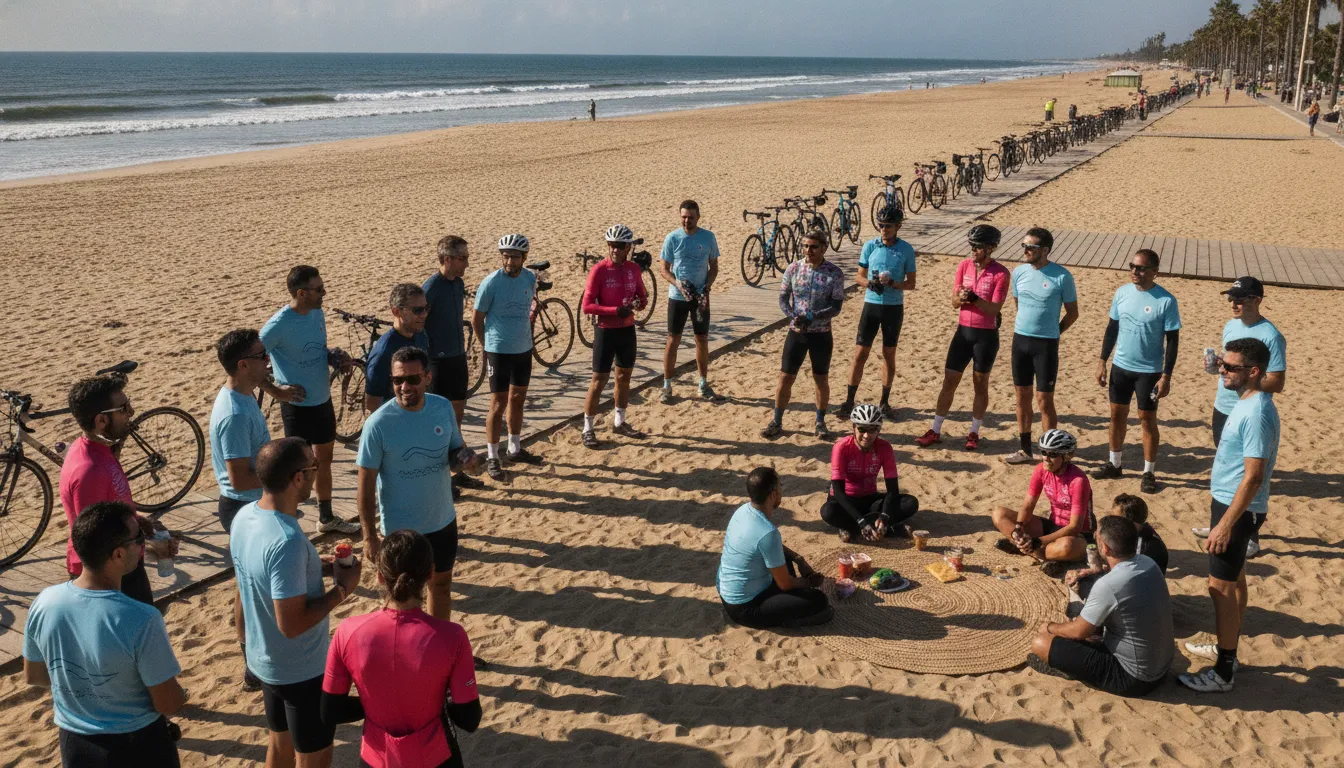
Trust grows when families can see who is involved, where support goes, and how a partnership connects to services they use. A charity ride creates that connection in person. Riders, sponsors, nonprofit partners, and service providers share the same route, finish line, and community purpose. For an autism service provider, that setting offers a more credible way to introduce its work than a conventional ad placed outside the community.
The need is substantial. The CDC estimates that about 1 in 31 children aged 8 has been identified with autism spectrum disorder, which means many families are actively seeking informed, respectful support. At the same time, research reviews have found beneficial effects from exercise for children and adolescents with autism. While a meta-analysis reported positive effects of physical exercise therapy on core ASD symptoms. These findings do not make a charity ride a substitute for clinical care, but they show why movement, inclusion, and community participation belong in the broader conversation. The CDC’s autism data, exercise research, and the physical exercise therapy review provide useful context.
Local impact gives the partnership substance
Bike to the Beach is designed around regional relationships. Funds stay in the region where they are raised and support local autism and disability nonprofit partners. That model helps a service provider participate in a visible community effort while keeping the impact close to the families and organizations it hopes to serve. Local charity rides have produced tangible results too. Maci’s Ride reports more than $127,000 donated to the Autism Society of Tidewater for scholarships and local family support. Although its model is a motorcycle event focused on one region.
A broader ride community, with a clear local promise
Other organizations bring different strengths. Rides FAR has a national research focus and has reported raising more than $3.5 million for the Autism Science Foundation. Bike to the Beach offers a distinct combination: fully supported cycling events across multiple markets. Riders ranging from experienced cyclists to first-time participants, and a local-funds model that supports direct regional services. That clarity helps families understand the purpose behind the partnership.
For a provider, participation is not just logo placement. It is an opportunity to meet community members, show up consistently, and build familiarity through shared action. Learn more about charity bike rides for autism and the local-impact mission behind them.
Frequently Asked Questions
Is the Service Provider Partner program free?
There are multiple participation options, including a Community Provider Partner option and paid sponsorship levels. The Local Service Provider Partnership is listed at $700, while Provider Network Membership is paid. Review the current options on the Service Provider Partner page to identify the best fit for your organization.
What types of organizations can apply?
Organizations that directly support people with autism or other disABILITIES may be a fit. Eligible categories include ABA therapy, speech therapy, occupational therapy, counseling, education, recreation, respite care, diagnostic services, and family support. Local presence and direct service are important considerations.
What benefits do Service Provider Partners receive?
Benefits vary by partnership level and may include logo placement on regional ride pages. Social media features, an event booth, a digital directory listing, rider bag materials, and networking opportunities. The program is designed to build community trust and make local services more visible to families and riders.
How does the application process work?
Start by expressing interest through the partner program. Bike to the Beach reviews the application, works with approved organizations on a partnership agreement, and then completes onboarding. Be ready to describe your services, community presence, and the families or individuals you support.
Do partners need to serve a specific Bike to the Beach region?
Bike to the Beach operates regional rides in Florida, DC/MD/VA, New England, and New York. A local connection can help ensure that partnership visibility and community relationships are relevant to the families and riders in that market. Contact the team through the partner page to discuss regional availability and fit.
Ready to Become a Service Provider Partner?
If your organization supports autistic people, people with disABILITIES, or their families, a partnership can help you build meaningful visibility within the local community. The program is a paid sponsorship opportunity, so you can review the structure and determine whether it fits your goals. To become a Service Provider Partner, get started with the partner application and learn what the next steps involve.