
Autism Charities Near Me: Local Fundraising Impact
Start supporting autism charities near me with local fundraising that keeps impact close to home through riders, donors, volunteers, and regional partners.

Searching for autism charities near me usually means you want your support to feel close, practical, and connected to real people in your community. Local fundraising gives riders, donors, volunteers, and sponsors a way to turn generosity into visible support for nearby autism and disability nonprofits.
See why Bike to the Beach riders fundraise for local autism and disability partners.
Autism charities near me matter because local organizations often fund direct services that families use now, including sensory gyms, therapy tools, recreation, education support, respite resources, and community inclusion programs. National organizations can play an important role in research and awareness, but a local partner model keeps fundraising tied to the region where it was raised.
That regional connection is the core of Bike to the Beach. The organization brings people together through fully supported charity bike rides, then directs participant fundraising to local nonprofit partners serving people with autism and other disABILITIES. The result is a fundraising experience that feels active, transparent, and rooted in the places riders and donors call home.
Autism charities near me should connect giving to local impact
A local search is often a trust signal. People do not only want a charity name; they want to understand where money goes, who benefits, and how support reaches families. Strong local autism and disability nonprofits can answer those questions with clear programs, regional partners, and specific community outcomes.
Bike to the Beach is built around that kind of connection. Funds raised in a ride region stay in that region, supporting local organizations that understand nearby service gaps and family needs. This makes the fundraising story easier to share. A rider can tell donors that their miles support community programs close to home, not a distant or abstract cause.
Local impact also gives donors a more tangible reason to participate. Instead of asking people to give to a broad idea, participants can point to programs such as sensory rooms, adaptive recreation, family support, specialized education resources, and inclusive community spaces. That clarity helps fundraising feel less transactional and more connected to shared action.
Local does not mean small impact
Local charities may serve one region, but their work can be deeply meaningful because it is targeted. A regional nonprofit can focus on the families, schools, service providers, and community groups it knows best. That closeness often helps programs adapt faster than one-size-fits-all models.
For Bike to the Beach, this is a strategic advantage. The organization operates across multiple ride markets while keeping the beneficiary model local. Riders in South Florida, DC/MD/VA, New England, and New York can participate in a larger movement without losing the regional focus that makes giving feel personal.
How local fundraising becomes direct service
Fundraising works best when the path from effort to outcome is easy to explain. A person trains for a ride, asks friends and coworkers to donate, and joins a supported route to the beach. Those funds then help local partners provide services, tools, and community programs for people with autism and other disABILITIES.
That structure is different from a generic donation drive. It turns support into a community event. Riders bring energy, donors become part of the story, volunteers make the experience possible, and sponsors help expand the platform. Each role strengthens the same regional network.
Direct service can take many forms. Local partners may support sensory integration rooms, adaptive recreation, speech and communication tools, occupational therapy equipment, life skills programming, family education, or social inclusion activities. The most important point is that the funding is connected to programs people can use in the community.
Programs that families can recognize
Bike to the Beach’s local impact model is especially powerful because it supports visible community resources. The customer knowledge base identifies examples such as sensory gym projects, specialized education environments, adaptive recreation, therapy tools, family support, and disability inclusion programs. These are not vague benefits. They are practical resources that can change daily routines for families and service providers.
For donors, that visibility matters. When a supporter understands that fundraising can help create a calmer sensory space, strengthen a therapy program, or expand inclusive recreation, the gift becomes easier to value. The impact is not only emotional. It is operational, local, and specific.
Autism charities near me and disability charities near me can work together
The search for autism support often overlaps with the search for disability charities near me. Many families and community partners need resources that recognize the full range of support needs, including autism services, disability inclusion, recreation, education, and family programming.
Bike to the Beach uses inclusive language and centers both autism and other disABILITIES. That matters because community support rarely fits into one narrow category. A local service provider might work with autistic children, adults with developmental disabilities, families seeking respite, schools building sensory spaces, or community programs making recreation more accessible.
This broader framing helps donors understand the full value of local fundraising. Supporting a Bike to the Beach ride can help one regional ecosystem, not just one program type. It can bring riders, nonprofit partners, service providers, schools, sponsors, and volunteers into the same circle of support.
Why respectful language matters
Strong local charities do more than raise money. They also model respect. That means avoiding pity-based language, focusing on ability and community participation, and describing people as neighbors, students, riders, family members, advocates, and community leaders.
Bike to the Beach’s voice is warm and purpose-driven because the mission is not about rescuing anyone. It is about moving together. Riders and donors are part of a local network that supports inclusion, access, and practical programs for people with autism and other disABILITIES.
Explore sponsorship opportunities that help local partners grow their impact.
Local fundraising and national charity models serve different goals
National and local charity models can both be valuable. The difference is usually the path of impact. National organizations often focus on research, public education, advocacy, broad awareness, and large-scale resource networks. Local organizations usually focus on direct services, community partnerships, and regional needs.
That distinction helps donors make a thoughtful choice. If your goal is to support broad research or national advocacy, a national organization may fit. If your goal is to help programs near you, a local autism or disability nonprofit may feel more aligned. Many people choose to support both over time.
| Goal. | National model. | Local model. |
|---|---|---|
| Research. | Often leads broad studies. | May support through partners. |
| Direct service. | Varies by group. | Often a core focus. |
| Visibility. | Builds broad campaigns. | Shows regional outcomes. |
Bike to the Beach sits in a useful middle ground. It has a multi-regional platform, but the fundraising model remains local. That means the organization can bring professional event structure, ride support, and repeatable operations while still keeping funds tied to regional nonprofit partners.
How riders, donors, volunteers, and sponsors create local results
Local fundraising works because different people contribute in different ways. Some riders train for months and build a personal fundraising page. Some donors give because they know a rider, a family, or a local partner. Volunteers support rest stops, route logistics, and event energy. Sponsors bring resources, visibility, and team engagement.
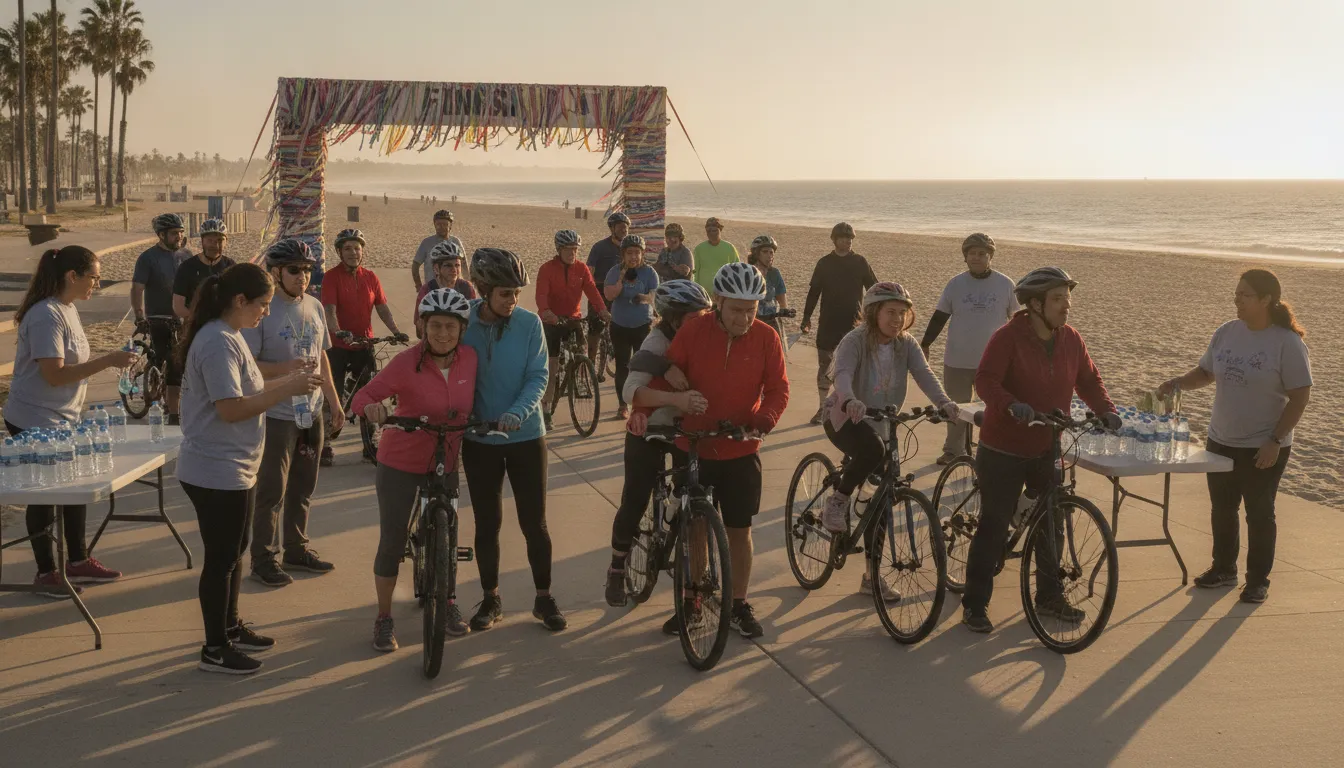
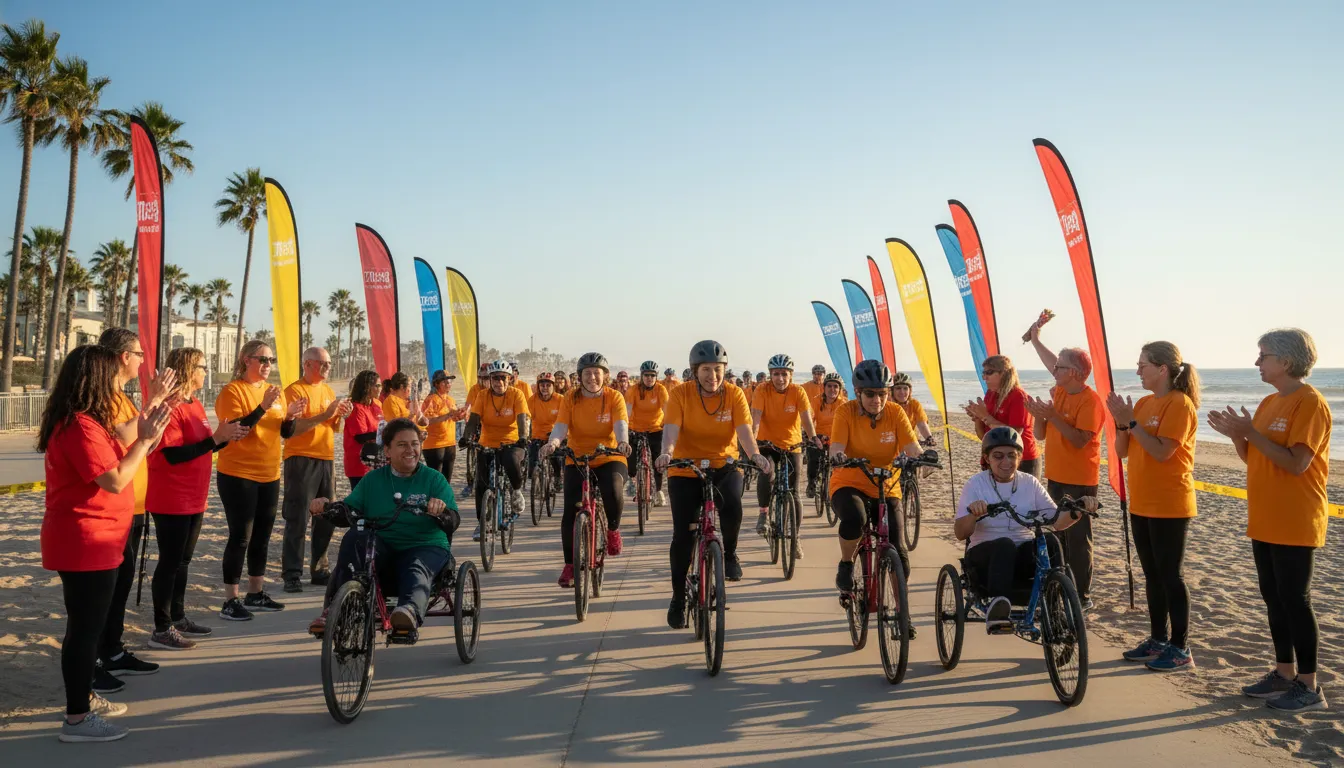
Bike to the Beach turns those roles into one shared experience. The ride is fully supported with route help, rest stops, mechanical support, and SAG vehicles, which makes participation more approachable for experienced cyclists and first-time charity riders. The beach finish adds a memorable moment, but the purpose is bigger than the route.
Corporate teams can be especially valuable because they multiply participation. A company can create a team, encourage employee fundraising, invite volunteers, and show customers that it supports local autism and disability nonprofits. That gives corporate social responsibility a visible community connection rather than a one-day check presentation.
Service providers are part of the ecosystem
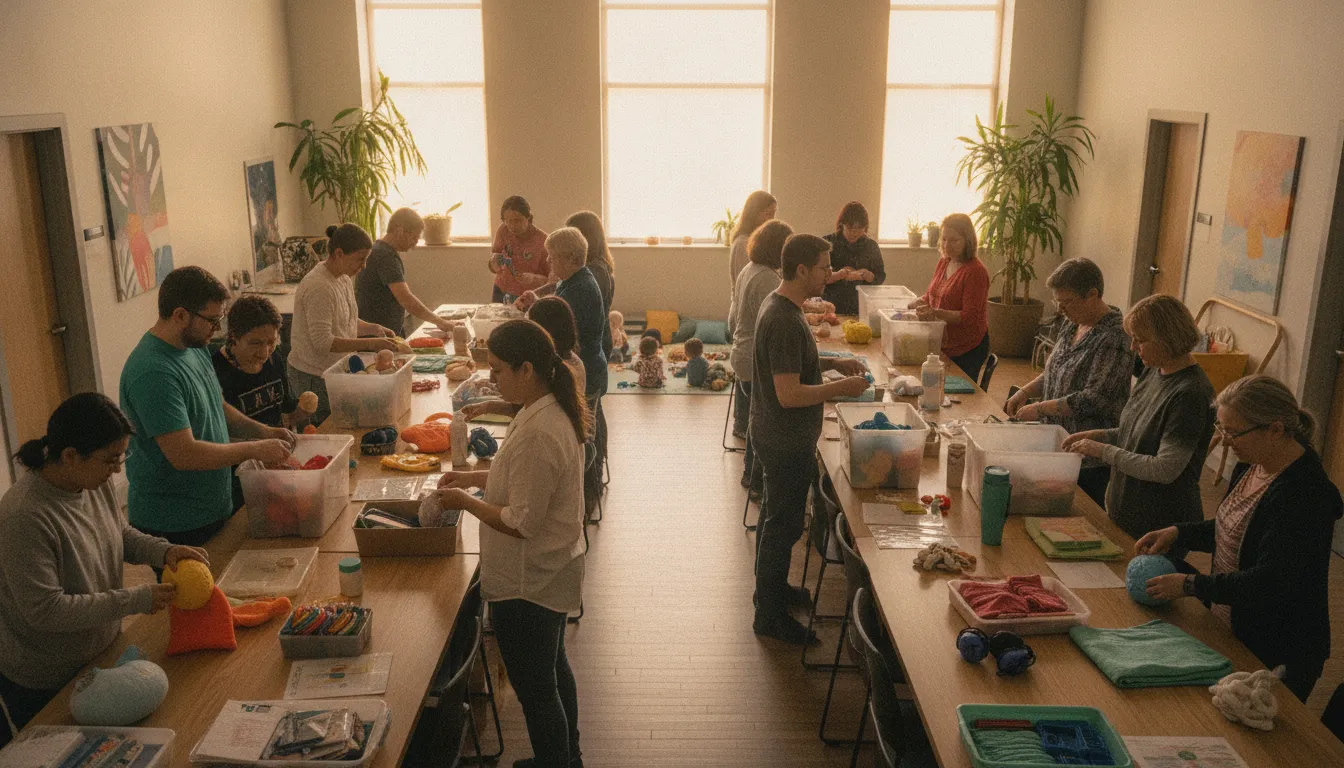
Local service providers also play an important role. Health, wellness, therapy, education, recreation, and family support organizations can connect with a motivated community through Bike to the Beach. That relationship can raise visibility, strengthen trust, and bring more people into contact with helpful services.
If your organization serves families, students, adults, or community members impacted by autism and other disABILITIES, becoming a partner can help you reach people who already care about local impact. Bike to the Beach gives service providers a platform for awareness, fundraising, and community connection.
How do you choose a reputable local autism charity?
Choosing a local charity starts with clarity. A reputable organization should explain its mission, name the communities it serves, describe how funds are used, and show respect for the people at the center of the work. If an organization cannot explain where the money goes, ask more questions before giving.
Look for local partners, not just broad claims. A strong local fundraising platform should identify the region served and connect funds to organizations with direct community presence. It should also offer multiple ways to get involved, such as riding, volunteering, donating, sponsoring, or partnering.
- Review the mission. Look for a clear commitment to autism, disability inclusion, and local community support.
- Check the partner model. Find out whether funds support named regional nonprofits or broad national programs.
- Look for transparency. Strong charities explain how fundraising supports services, programs, or partners.
- Evaluate the language. Respectful, empowering language is a sign that the organization values the community it serves.
- Find a participation path. The best fit should make it easy to donate, ride, volunteer, sponsor, or connect as a partner.
Bike to the Beach checks these boxes through a local partner model, inclusive mission, multi-regional ride platform, and practical ways to participate. Supporters can choose the role that fits them and still contribute to the same regional impact.
Ways to support autism charities near me through Bike to the Beach
If you want more than a donation link, Bike to the Beach gives you several ways to turn interest into action. You can register for a ride, join a team, invite donors, volunteer on event day, sponsor a market, or connect a local organization with the partner network.
Regional ride pages make the next step clear. South Florida riders can explore the Florida route, and DC/MD/VA participants can review the ride to Dewey Beach. New England riders can connect with the Boston and Newport corridor, while New York supporters can join the metro ride community. Each market has its own local energy and nonprofit connection.
- Florida ride: South Florida fundraising with a beach-focused route experience.
- DC/MD/VA ride: Multiple start options and a shared finish at Dewey Beach.
- New England ride: A regional ride community supporting local partners.
- New York ride: Metro-area supporters connecting miles to local impact.
Each path supports the same idea: local fundraising should feel tangible, inclusive, and connected to community. Whether you ride 25 miles or sponsor a team, your effort becomes part of a larger movement for autism and disability nonprofits.
Contact Bike to the Beach to register, volunteer, sponsor, or connect your local nonprofit.
Frequently Asked Questions
How do local autism charities impact the community?
Local autism charities support programs that families can use close to home. These may include sensory spaces, therapy resources, inclusive recreation, family support, education tools, and community inclusion programs. The biggest advantage is that local organizations can respond to regional needs and connect support to people nearby.
Why should I donate to local disability nonprofits?
Local disability nonprofits can connect donations to direct services in the region where money is raised. That makes impact easier to understand and helps community members support neighbors, schools, service providers, and families nearby. It also gives donors a clearer story to share with friends, coworkers, and sponsors.
What is the difference between national and local autism support?
National organizations often focus on research, awareness, policy, or large resource networks. Local autism organizations usually focus on direct services, partner programs, and practical needs within one region. Both models can matter, but they serve different giving goals.
How can I find reputable autism charities in my area?
Look for clear mission language, named local partners, transparent fundraising goals, respectful disability language, and specific examples of programs funded in your area. A reputable charity should make it easy to understand who benefits and how your support is used.
Can I support autism charities near me without making a donation?
Yes. You can ride, volunteer, start a corporate team, sponsor an event, share a fundraiser, or connect a local nonprofit with a community fundraising platform. Bike to the Beach offers several participation paths so people and organizations can support local impact in the way that fits them best.
Ready to support local autism and disability nonprofits?
Local fundraising is powerful because it turns good intentions into shared action. Bike to the Beach gives riders, donors, volunteers, sponsors, and nonprofit partners a clear way to support people with autism and other disABILITIES in the regions where funds are raised.
Ready to get involved? Contact Bike to the Beach and take your next step toward local impact.