

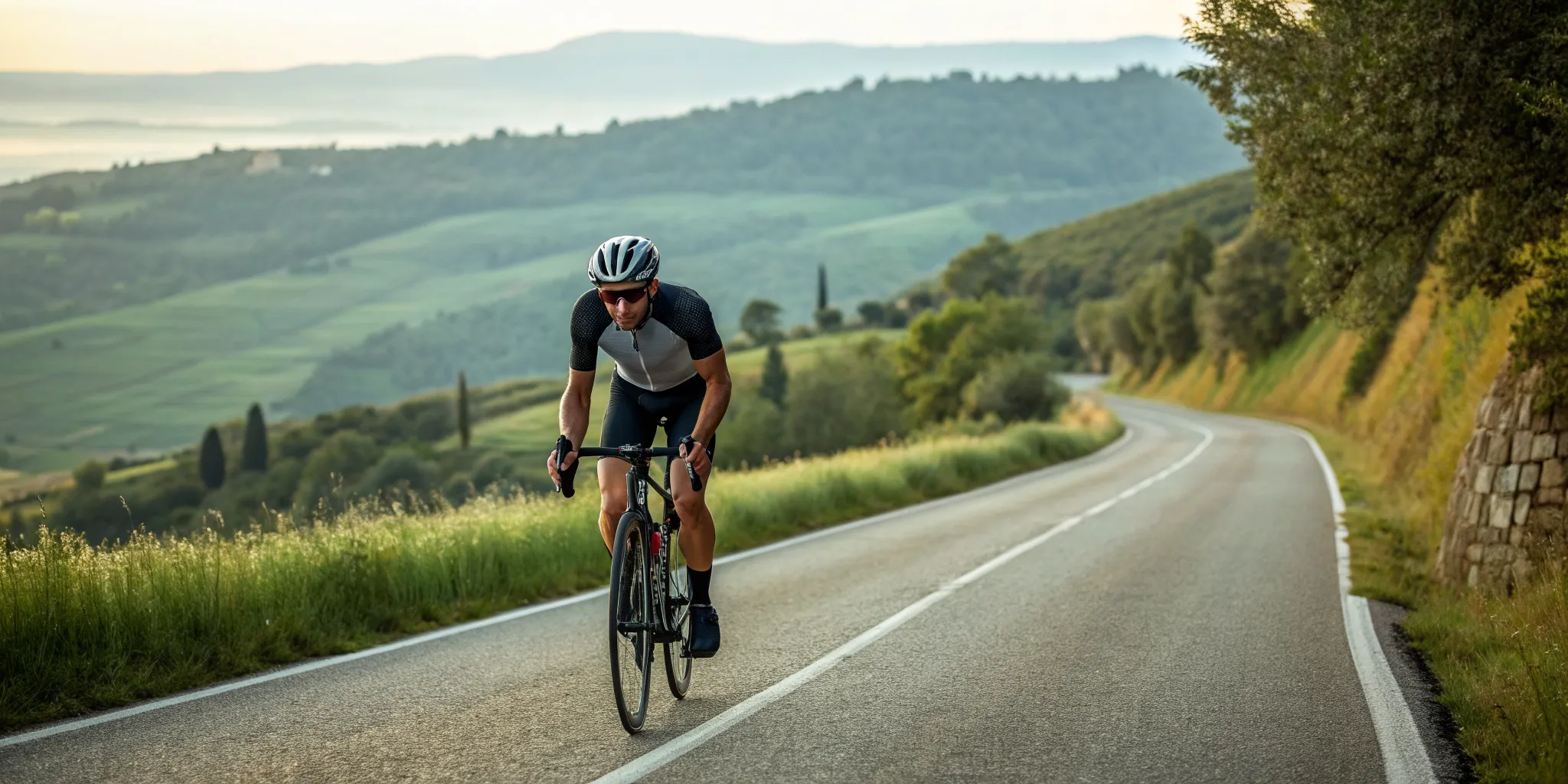
How to Train for Your 100 Mile Bike Ride
Get ready for your 100 mile bike ride with practical training tips, fueling strategies, and gear advice to help you finish strong and enjoy the journey.

Why would anyone want to ride a bike for 100 miles? It’s a fair question. The answer is twofold. First, there’s the incredible sense of personal accomplishment that comes from pushing your limits and achieving something you may have once thought was out of reach. It’s a powerful feeling. Second, when you join a charity ride, that personal achievement fuels something much bigger. Your effort becomes a statement of support for others. This guide will provide the practical steps you need to prepare for a 100 mile bike ride, ensuring you’re ready to not only conquer the distance but also make every single mile count.
Key Takeaways
- Plan your ride, ride your plan: Success on a 100-mile ride begins weeks in advance. Build your endurance with a consistent training plan, get your bike tuned up, and practice using your gear to ensure you arrive at the start line feeling prepared and confident.
- Pace yourself and fuel consistently: Think of your ride as a marathon, not a sprint. Start at a comfortable, conversational pace to conserve energy, and make it a point to eat and drink small amounts regularly from the very first hour to avoid hitting the wall.
- Ride with a community for support and purpose: Tackling a century ride is easier and more rewarding with a team. Joining a supported charity ride takes the stress out of logistics and connects your personal goal to a shared mission, giving every pedal stroke a deeper meaning.
What is a Century Ride?
A century ride is a 100-mile bike ride, and it’s a major milestone in the cycling world. Think of it as the marathon of cycling—a significant but achievable goal that many riders aspire to complete at least once. It’s a true test of endurance, but it’s also a huge personal accomplishment. While the distance sounds big, it’s an amazing challenge to take on with the right preparation and mindset. At Bike to the Beach, our century ride options are not races. They are fully supported journeys we take on together, celebrating every rider who crosses the finish line. It’s about setting a personal goal, pushing your limits, and finishing with a community that’s cheering you on every pedal stroke of the way.
The Tradition Behind the 100-Mile Goal
In the cycling community, completing a 100-mile ride is a celebrated achievement. It’s a benchmark that signifies dedication, resilience, and a whole lot of heart. For many, it’s the culmination of weeks or months of training, representing a personal summit they’ve worked hard to reach. This tradition isn’t about being the fastest; it’s about the commitment to the journey and the strength it takes to see it through. Finishing a century ride is a moment of pride that proves to yourself that you can go the distance. It’s a powerful feeling that connects you to a long history of cyclists who have also embraced this classic endurance challenge.
Why Ride 100 Miles?
So, why aim for 100 miles? Beyond the bragging rights, it’s about the personal victory. It’s a tangible goal that pushes you to grow, both physically and mentally. The feeling of crossing that finish line after hours on the bike is incredible, especially when you’ve overcome challenges to get there. When you ride a century with Bike to the Beach, that personal accomplishment becomes even more meaningful. Every pedal stroke helps raise funds and awareness for local autism and disability communities. Your personal goal fuels a collective impact, turning your miles into real support for families in your own region. It’s a powerful way to make your ride matter.
How Long Does a 100-Mile Ride Take?
One of the first questions every new century rider asks is, “How long will this actually take?” While it’s natural to want a target time, the real answer is: it depends. Your finishing time is personal, and for a charity ride, the most important goal is crossing the finish line with a smile. Every pedal stroke supports an incredible cause, and that’s a win no matter what the clock says.
Instead of focusing on a specific number, think about a time range. This gives you a flexible goal while leaving room for things you can’t control, like a strong headwind or an extra stop to enjoy the view. At Bike to the Beach, we have riders of all levels, and we celebrate every single person who completes their journey.
Average Times for Every Rider Level
For most cyclists, a 100-mile ride takes between 5 and 8 hours. A finish time under 5 hours is considered quite fast, often achieved by experienced riders in a group. Many first-time century riders find themselves in the 6-to-7-hour range, which is a fantastic accomplishment.
Remember, these are just averages. Your pace will be unique to you. The goal isn’t to compete with anyone else but to challenge yourself and enjoy the experience. Just finishing a century ride is a huge achievement, and it’s something to be proud of whether it takes you 5 hours or 8.
What Affects Your Finishing Time?
Several factors play into your final time, and many are outside your control. Your personal fitness is the biggest piece of the puzzle, which is why a good training plan is so important. The course itself also makes a difference; a flat route like our Florida ride will likely be faster than a route with rolling hills.
Weather is another major factor. A windy day can feel like you’re riding uphill the entire time. Finally, riding with a group versus riding solo can impact your speed. Drafting behind other cyclists helps conserve energy, allowing you to maintain a faster pace for longer. Your best bet is to focus on your effort, not just the clock.
How to Train for a 100-Mile Bike Ride
Riding 100 miles is a huge accomplishment, and with the right approach, it’s a goal anyone can achieve. A smart training plan does more than just prepare your body; it builds the confidence you need to cross the finish line with a smile. The key is to start early, build your mileage gradually, and listen to your body along the way. Let’s break down how to get ready for your big day.
Your 12-Week Training Framework
A good training plan is your roadmap to success. While starting four months before your ride is ideal, you can absolutely get ready in 12 weeks with consistent effort. Think of your training in three main parts: a Base Phase to build fundamental fitness, a Build Phase to get stronger, and a Specialty Phase to fine-tune your readiness right before the event. This structure helps you progress safely and effectively. The goal isn’t to be the fastest rider out there, but to feel strong and prepared for an incredible day on the road, whether you’re joining our DC/MD/VA ride or another local event.
Build Your Base Fitness
Before you start logging serious miles, map out your training on a calendar. This simple step helps you schedule your rides and see your progress week by week. During this initial phase, your focus is on building endurance. Don’t worry about speed; just get comfortable spending time on your bike. Gradually increase your weekly long ride distance so your body has time to adapt. A great goal to aim for is being able to comfortably ride at least 70 miles before your 100-mile event. Remembering why we bike can be a powerful motivator as you build this foundation.
Prioritize Rest and Recovery
Training doesn’t just happen on the bike. Rest and recovery are when your muscles rebuild and get stronger, so it’s critical to make them part of your plan. Always listen to your body. If you feel overly tired, sore, or unmotivated, it might be a sign to take a break or schedule a lighter ride. Pushing too hard can lead to burnout or injury. Think of rest days as an active part of your training, not a setback. This ensures you show up on ride day feeling refreshed, mentally prepared, and ready to enjoy the experience.
How to Fuel for a Century Ride
Your training plan gets your muscles ready, but your nutrition plan is what gets you across the finish line with a smile. Fueling for a 100-mile ride isn’t about complicated diets; it’s about giving your body consistent, quality energy so you can focus on the journey and the community around you. Think of your body as a car on a road trip, you can’t expect to make it to the beach on an empty tank. A smart fueling strategy starts the day before your ride and continues even after you’ve finished. Let’s break down how to eat and drink for a strong, successful century ride.
What to Eat Before You Ride
Your pre-ride fuel sets the foundation for your entire day. The goal is to start with your energy stores completely full. The night before your ride, focus on a dinner rich in carbohydrates, like pasta, rice, or quinoa. This helps top off your muscle glycogen, which is your body’s primary fuel source for endurance activities. On the morning of the ride, aim for a breakfast of slow-releasing carbs about two to three hours before you start pedaling. Oatmeal or porridge is a fantastic choice because it provides steady energy without causing a sugar crash. The most important rule is to never try something new on ride day. Use your long training rides to test out different pre-ride meals and see what digests well and makes you feel your best.
Fueling on the Go
Consistent snacking is the secret to avoiding the dreaded “bonk,” where your energy levels suddenly plummet. During your ride, plan to eat a small amount of food every 45 to 60 minutes, even if you don’t feel hungry yet. Your on-the-go snacks should be easy to digest and primarily carb-based. Think energy bars, gels, bananas, or even a simple peanut butter and jelly sandwich. A great pro tip is to start with more savory or neutral foods and save the sweeter options for the later stages of the ride. This helps prevent flavor fatigue and keeps your stomach settled. At our fully supported Bike to the Beach rides, our rest stops are stocked with snacks, but it’s always a good idea to carry a few of your personal favorites.
Stay Hydrated and Balanced
Hydration is just as crucial as food. Your goal is to drink consistently throughout the ride, not just when you feel thirsty. A good rule of thumb is to drink at least one water bottle every hour. For long rides, especially in the heat, it’s important to replenish more than just water. Electrolyte drinks are designed to replace the essential minerals like sodium and potassium that you lose through sweat. Alternating between water and an electrolyte drink can help prevent muscle cramps and keep your body functioning optimally. Just like with your food, practice your hydration strategy during training to figure out what works for you. Remember to sip frequently rather than chugging large amounts at once.
Refuel for Recovery
What you do after you cross the finish line is key to helping your body recover and get stronger. As soon as you can after your ride, try to have a snack or meal that contains both carbohydrates and protein. The carbs will replenish your depleted glycogen stores, while the protein will help repair and rebuild your muscles. A smoothie, a protein bar, or a simple meal like chicken and rice are all great options. And of course, celebrate what you’ve accomplished! A century ride is a huge achievement. After you’ve had a healthy recovery meal and done some gentle stretching, don’t forget to treat yourself. You’ve earned it. This is what makes the Bike to the Beach finish line so special, celebrating together.
Gearing Up for 100 Miles
Having the right equipment is about more than just looking the part. It’s about ensuring your ride is safe, comfortable, and as stress-free as possible. When you’re prepared for the road ahead, you can focus on the experience, the community around you, and the reason you’re riding. A little preparation goes a long way in making your century ride a success. From your bike to your clothing, every piece of gear plays a role in getting you to that finish line with a smile on your face.
Your Bike and Essential Gear Checklist
Your bike is your partner for this journey, so make sure it’s ready to go. About a week before the ride, give it a final check-up. Make sure your tires are in good shape and your gears shift smoothly for the route. Our fully supported rides have mechanics on hand, but it’s always best to start with your bike in top condition. Beyond the bike itself, you’ll want to carry a few key items with you.
Here’s a simple checklist for what to bring:
- Water bottles: At least two, filled and ready.
- ID and phone: Keep them in a waterproof case.
- Spare parts: Carry at least two inner tubes, tire levers, and a multi-tool.
- Mini-pump or CO2 inflator: For quick tire inflation.
- Helmet: This is non-negotiable for safety.
What to Wear for a Long-Distance Ride
Comfort is key when you’re spending hours in the saddle. Dress in layers so you can adapt to changing temperatures throughout the day. Start with a moisture-wicking base layer under your jersey, which helps regulate your body temperature and prevents chafing. Padded cycling shorts are a must for long-distance comfort. It’s also smart to carry a small, packable vest or light jacket for unexpected wind or rain. Don’t forget cycling gloves to protect your hands and sunglasses to shield your eyes. You can find great ride-day apparel at the Bike to the Beach shop.
Pack a Simple Repair Kit
Even on a fully supported ride, knowing how to handle a minor mechanical issue can keep your momentum going. Pack a small bag that fits neatly under your seat with the essentials for a quick fix. Your kit should include a multi-tool, an extra inner tube (or two), tire levers, and a mini-pump or CO2 inflator for flats. While our support vehicles are always nearby, being able to fix a flat yourself is an empowering skill. It gives you the confidence to handle small challenges and get back to enjoying the ride without a long wait.
How to Pace Yourself During the Ride
Riding 100 miles is a mental game as much as a physical one. Pacing is your secret weapon for crossing the finish line with a smile. It’s not about being the fastest rider on the course; it’s about managing your energy so you can enjoy every mile of the journey. A smart pacing strategy helps you avoid hitting the dreaded “wall” and ensures you have enough in the tank to celebrate at the beach. Think of it as a steady burn, not a burnout. By listening to your body, fueling consistently, and keeping your mind engaged, you can turn a challenging ride into an incredible and rewarding experience. The goal is to finish strong, feeling proud of what you’ve accomplished for yourself and for the community you’re supporting.
Find Your Sustainable Pace
The key to a successful century ride is finding a pace you can hold for hours, not just minutes. Instead of chasing a specific speed, focus on your effort level. A great way to measure this is by using the Rate of Perceived Exertion (RPE) scale. Think of a scale from 1 to 10, where 1 is sitting on the couch and 10 is an all-out sprint. For most of your ride, you should aim for an effort level of 6 or 7. This is a pace where you can still hold a conversation, but your breathing is steady and focused. It’s better to start a little easier than you think you need to and save your energy for the later miles.
Manage Your Energy from Start to Finish
Consistent fueling is non-negotiable on a long ride. The golden rule is to eat and drink before you feel hungry or thirsty. By the time those signals hit, you’re already running low on energy. A great strategy is to set a timer on your watch or bike computer to remind you to take a sip of water every 15 minutes and eat a small snack every 45 minutes. Focus on simple, carb-based foods that are easy to digest, like energy bars, bananas, or small sandwiches. Our rest stops are always stocked with fuel, so you can refill your pockets and bottles along the way. Remember, every pedal stroke is powered by the fuel you give your body.
Stay Motivated with These Mental Strategies
Your mind can be your greatest asset or your biggest hurdle during a 100-mile ride. When the miles start to feel long, having a few mental tricks can make all the difference. Use the quiet time on your bike to think through a personal project or plan your next vacation. Another powerful motivator is to focus on the finish line. Picture the feeling of arriving at the beach, surrounded by a community cheering you on. Think about why we bike and the incredible impact you’re making with every mile. This sense of purpose can carry you through the toughest moments and make the entire journey more meaningful.
Common Mistakes to Avoid on Your First Century
Riding your first century is a huge accomplishment, and a little preparation goes a long way in making it a positive experience from start to finish. We’ve all been there, learning lessons the hard way on a long ride. By steering clear of these common missteps, you can focus on enjoying the journey, the community, and that incredible feeling of crossing the finish line. Think of this as your friendly guide to a smoother, stronger, and more successful ride.
Starting Out Too Fast
The energy at the starting line is electric, and it’s easy to get swept up in the excitement and pedal out too hard. But a century ride is a marathon, not a sprint. Going too fast in the first 20 miles burns through your energy stores way too quickly, leaving you with nothing in the tank for the final stretch. Instead of chasing a specific speed, focus on a sustainable effort. A great pacing strategy is to ride at an intensity where you can still hold a conversation. This ensures you’re working aerobically and saving that precious energy for when you really need it later in the day.
Forgetting to Fuel and Hydrate
This is one of the most common and easiest mistakes to avoid. Waiting until you feel hungry or thirsty is too late; by then, your performance is already starting to dip. The key is to eat and drink consistently from the very beginning of your ride. A great pro tip is to set a timer on your watch or bike computer to beep every 20 to 30 minutes. When it goes off, take a few sips from your water bottle and have a small snack. This steady intake of fuel and fluids keeps your energy levels stable and helps you avoid the dreaded “bonk,” where your body runs out of fuel completely.
Skipping Pre-Ride Checks
Nothing puts a damper on a great ride like an avoidable mechanical issue. Taking just 10 minutes the night before your ride to perform a quick safety check can save you a major headache on the road. Give your bike a once-over: check your tire pressure, make sure your brakes are working properly, and run through your gears to ensure they’re shifting smoothly. It’s also smart to pack a small saddlebag with essentials like two spare inner tubes, tire levers, and a multi-tool. A little pre-ride maintenance gives you the confidence to handle minor issues and keep rolling.
Not Training Enough
A 100-mile ride is a significant physical challenge that demands respect and preparation. Just as you wouldn’t run a marathon without training, you shouldn’t attempt a century without putting in the miles beforehand. A solid training plan gradually builds your endurance and prepares your body for the demands of spending hours in the saddle. A good goal to aim for is to comfortably complete a 70- or 75-mile ride a couple of weeks before your event. This not only builds physical strength but also gives you the mental confidence that you have what it takes to go the full distance, all while riding for a cause you believe in.
Not Practicing Your Fueling Plan
Just as you train your legs, you need to train your stomach. The gels, bars, and snacks that work for one rider might not work for you. Your long training rides are the perfect opportunity to experiment with different types of fuel to see what your body tolerates best. Use these rides to figure out what’s easy to eat and digest while you’re pedaling. Finding your go-to snacks ahead of time means you can fuel with confidence on event day, without any unwelcome surprises. This simple step ensures your nutrition plan helps you, rather than holds you back.
Set Yourself Up for a Successful Ride
With your training behind you, it’s time to focus on the final details that will make your ride a fantastic experience. A little preparation in the days leading up to the event and a smart strategy on the day itself can make all the difference. Think of this as the final step in honoring all the hard work you’ve put in. Let’s get you ready to cross that finish line with a huge smile.
Your Pre-Ride Checklist
A smooth ride starts before you even get to the starting line. Taking care of a few key details beforehand allows you to show up feeling confident and ready to focus on the journey ahead. Run through this simple checklist the week before your ride:
- Give your bike a once-over. About a week before the event, check that your tires are in good condition and your gears are shifting smoothly. A quick tune-up can prevent mechanical issues from interrupting your ride.
- Pack a small repair kit. Be prepared for minor bumps in the road by carrying essential spare parts. Your kit should include at least two inner tubes, tire levers, a multi-tool, and a mini-pump.
- Trust your training. A great goal is to be able to comfortably ride at least 70 miles before your 100-mile event. Knowing your body is prepared for the distance is a huge mental asset.
Strategies for Ride Day
When the big day arrives, your main goals are to manage your energy and enjoy the experience. Start fueling well in the days leading up to the ride by focusing on foods rich in carbohydrates, drinking plenty of water, and getting good rest. During the ride, eat small amounts of carb-based foods like energy bars or bananas every 45 minutes to maintain your energy. Pacing is just as important. Ride at a speed you can sustain for the entire distance. A good rule of thumb is that you should be able to talk comfortably while you pedal. This approach helps you avoid burnout and ensures you have the energy to finish your Bike to the Beach ride strong.
How to Recover After Your Ride
You did it! Crossing the finish line is an incredible accomplishment. Now, it’s time to help your body recover. After the ride, take some time for gentle stretching to ease your muscles. Refuel with a healthy meal to replenish your energy stores, and don’t forget to treat yourself to something tasty, you’ve earned it. It’s completely normal to struggle during the final miles of a long ride, so be proud of your effort, no matter how challenging it felt. Every pedal stroke contributes to the bigger picture and the powerful reason why we bike. Taking care of yourself post-ride is the first step toward your next great adventure.
Why Ride with a Community?
Training for a 100-mile ride is a personal journey, but crossing the finish line is a shared celebration. While solo training builds your physical and mental strength, riding with a community transforms the entire experience. A century ride can feel like a huge, solitary goal, but it doesn’t have to be. Joining an organized event like a charity ride connects you with fellow cyclists, dedicated volunteers, and a powerful sense of shared purpose that can carry you through every mile. It’s the difference between simply completing a distance and being part of something bigger than yourself.
When you ride with a group, you gain a built-in support system. You’ll find encouragement when you need it most, share tips and stories at rest stops, and celebrate together at the finish line. It turns a long, challenging day into a memorable adventure filled with connection and camaraderie. Instead of just focusing on the distance, you become part of a moving community, where every person is working toward the same goal. This collective energy makes the challenge more manageable and the achievement that much sweeter. The shared smiles, high-fives, and words of encouragement from fellow riders create a positive atmosphere that you just can’t replicate on a solo ride.
The Perks of a Fully Supported Ride
One of the biggest advantages of joining an organized event is having a team of people dedicated to your success. Fully supported rides handle all the logistics so you can focus on pedaling. Forget about mapping a 100-mile route or stuffing your pockets with enough food for the day. These events offer clearly marked courses, well-stocked rest stops with food and drinks, and mechanical support for unexpected bike issues. This structure removes the stress of planning and lets you simply enjoy the ride, knowing that help is always nearby. Plus, you get to look forward to a fun finish line party to celebrate your accomplishment with everyone.
Ride with Confidence and Support
Riding 100 miles is as much a mental challenge as it is a physical one. Having a community around you provides a huge psychological lift. Riding with a friend or a group makes the experience more enjoyable and provides a safety net if you run into problems. The energy of the group is contagious, and the cheers from volunteers can give you a much-needed push on a tough climb. You can also save physical energy by drafting behind other riders. This sense of shared effort builds confidence and reminds you that you’re not alone in your journey to the finish line. It’s this spirit of mutual support that defines our Bike to the Beach community.
Make Your Miles Matter for a Cause
Turning your personal goal into a ride for a cause adds a powerful layer of motivation. A century ride is often a social event where people ride together at their own pace, and when that event is tied to a mission, it creates an incredible bond. Knowing your effort is raising funds and awareness for local autism and disability partners makes every pedal stroke more meaningful. On days when training feels tough, your commitment to the cause will keep you going. You’re not just riding for yourself; you’re riding for families in your community. This shared purpose is what makes our charity bike rides an unforgettable experience that extends far beyond the finish line.
Related Articles
- How to Crush Your First 100 Mile Bike Ride
- Your Guide to the Best Century Rides of 2026
- Your 7-Week Training Plan for a 50 Mile Bike Ride
Frequently Asked Questions
Do I have to be an expert cyclist to complete a 100-mile ride? Not at all. A century ride is a personal challenge, not a race. Our Bike to the Beach community includes riders of all experience levels, from seasoned cyclists to people taking on their very first long-distance event. The goal is to set a personal goal and see it through. With consistent training and a positive mindset, finishing 100 miles is an achievable goal for anyone committed to the journey.
What happens if I get a flat tire or have another mechanical issue during the ride? This is a common concern, and we’ve got you covered. All our rides are fully supported, which means we have mechanics and support vehicles along the entire route. If you run into a problem you can’t fix on your own, our team will be there to help you get back on the road. This support system allows you to focus on your ride with confidence, knowing that a helping hand is always nearby.
I’m nervous about the distance. What’s the most important thing to focus on during training? If you’re feeling a bit intimidated, focus on consistency over speed. The most important part of training is simply spending time on your bike and gradually increasing your mileage week by week. This builds the endurance your body needs for the long haul. Don’t worry about how fast you’re going; just concentrate on getting comfortable with longer rides. This steady approach builds both physical strength and the mental confidence you need for ride day.
What if I don’t think I can ride the full 100 miles? That’s completely okay. While the 100-mile century is a classic goal, our events are designed to be inclusive for everyone who wants to participate and support the cause. Most of our rides offer shorter distance options, so you can choose a challenge that feels right for you. The most important thing is being part of the community and riding for a purpose, no matter the distance.
How do I manage my energy so I don’t burn out before the finish line? The two keys to finishing strong are smart pacing and consistent fueling. It’s easy to get excited and start too fast, so make a conscious effort to pedal at a comfortable, conversational pace from the beginning. Think of it as a marathon, not a sprint. At the same time, start eating and drinking early in the ride, long before you feel hungry or thirsty. Taking small sips of water and having a snack every 45 to 60 minutes will keep your energy levels stable for the entire journey.