
How to Prep for a 100-Mile Bike Ride for a Cause
Get ready for your 100-mile bike ride for a cause with practical training tips, nutrition advice, gear checklists, and fundraising strategies.

You want to make a difference, but you also want to see the direct results of your efforts. A 100-mile bike ride for a cause offers a clear path to do just that. When you fundraise for an event like Bike to the Beach, your hard work doesn’t disappear into a national fund. Instead, it stays right in your community, providing vital resources for local autism and disability organizations. Every dollar you raise and every mile you pedal becomes a direct investment in the well-being of your neighbors, strengthening the programs and support systems that help families in your own backyard thrive.
Key Takeaways
- Connect your ride to a meaningful cause: Choosing a charity ride with a mission that resonates with you provides powerful motivation. This personal connection fuels your training, inspires your fundraising, and transforms a physical challenge into a truly rewarding experience.
- Prepare with a purpose for a confident ride: A successful century ride depends on smart preparation. A consistent training schedule, a practiced nutrition plan, and the right safety gear will help you feel strong and prepared, allowing you to enjoy the ride and the community around you.
- Share your story to build a support system: Your fundraising page and social media are tools to invite people into your journey. By sharing your personal “why” and training updates, you build a community of supporters who will cheer you on and help you make a significant impact.
What Makes a 100-Mile Ride for a Cause So Powerful?
Completing a 100-mile bike ride is an incredible personal accomplishment. But when you clip in for a charity ride, every mile takes on a deeper meaning. You’re not just pushing your own limits; you’re creating momentum for an entire community. The energy of riding alongside hundreds of others, all working toward a shared goal, transforms a physical challenge into a powerful movement. It’s the blend of personal achievement and collective impact that makes these events so unforgettable.
This isn’t just about logging miles. It’s about channeling your energy into tangible, local change. At Bike to the Beach, we see this power in action at every event, where each rider’s journey contributes to a bigger story of support, inclusion, and community strength.
Ride for More Than Miles: Your Community Impact
A charity ride channels your effort directly into action. When you fundraise for Bike to the Beach, you’re not just collecting donations; you’re providing vital resources for local autism and disability organizations. Unlike many national events, our model ensures that the funds you raise stay right in your community, supporting the families and programs in your backyard.
This local-first approach is the core of why we bike. Every pedal stroke helps our nonprofit partners provide essential services, create inclusive programs, and build a stronger, more supportive network for individuals with autism and other disABILITIES. Your ride becomes a direct investment in the well-being of your neighbors.
Pair Personal Achievement with a Greater Purpose
Training for and finishing a 100-mile ride is a huge personal victory. It requires dedication, resilience, and a lot of hard work. But when that finish line also represents new opportunities for local families, your accomplishment feels even more meaningful. Knowing your effort has a purpose beyond the pavement can be the ultimate motivation on tough training days and during the final miles of the ride.
This shared purpose creates an incredible sense of camaraderie. You’re surrounded by a community that cheers you on, from fellow riders to volunteers at the rest stops. At our New England ride, for example, the supportive atmosphere helps people of all skill levels achieve their goals. You’re not just riding for yourself; you’re riding with and for everyone around you.
How to Find the Right 100-Mile Charity Ride for You
Finding the perfect century ride is about more than just the route. It’s about finding a community you’re excited to join and a cause that fuels your motivation. The right event will make every training mile and fundraising dollar feel meaningful. When you start looking for a ride, think about what matters most to you. Do you want to see your impact in your local community? Are you passionate about a specific mission? Answering these questions will help you find an event that’s not just a physical challenge, but a truly rewarding experience.
From local rides with a tight-knit feel to large national events, there’s a ride out there that’s the perfect fit for you. Let’s walk through how to find it.
Explore National and Local Charity Rides
Charity rides come in all shapes and sizes. Some are massive national events, while others are focused on making a difference in a specific region. Local rides offer a unique opportunity to connect with your neighbors and see the direct results of your efforts. When you participate in a local event, the funds you raise often stay right in your community, supporting programs and services for the people around you.
Bike to the Beach, for example, combines cycling and charitable giving into one impactful event. Our riders in New England fundraise to support local autism and disability programs, helping provide essential resources to families in the area. The same community-first model powers our rides in Florida, New York, and the DC/MD/VA region. Choosing a local ride means your hard work has a tangible, visible impact close to home.
Choose a Cause That Matters to You
Your connection to the cause is the secret ingredient that will power you through training and inspire your network to give. When you’re passionate about the mission, fundraising becomes less of an obligation and more of an opportunity to share your story. Think about what you want to accomplish with your ride. Do you want to support health research, advocate for kids, or help a specific community?
Find an organization whose mission resonates with you on a personal level. At Bike to the Beach, we ride to make a difference for the 1 in 36 children diagnosed with autism. Our community comes together to impact, celebrate, and inspire one another. When you truly believe in the reason why you bike, every pedal stroke feels more powerful. That personal connection is what turns a challenging ride into a life-changing event.
Find Registration Discounts and Early Bird Deals
Committing to a 100-mile ride is a big step, but it doesn’t have to break the bank. Many charity rides offer early bird discounts to reward participants who sign up ahead of time. This is a great way to save money and get your spot secured before prices go up. Be sure to follow your favorite events on social media and subscribe to their email newsletters to be the first to know about special promotions.
Keep an eye out for promo codes from event partners, ambassadors, or sponsors, which can often provide a percentage off your registration fee. Some events also offer discounts for forming a team, so grab a few friends and sign up together. Planning ahead and looking for these deals makes it easier to join the ride and focus on what really matters: training and fundraising for a cause you care about.
How to Train for a 100-Mile Ride
Getting ready for a century ride is an incredible journey, and every pedal stroke in training brings you closer to that finish line. It’s about more than just physical endurance; it’s about preparing yourself for a day of purpose, community, and personal achievement. Whether you’re a seasoned cyclist or new to long-distance riding, a structured approach will help you arrive at the starting line feeling confident and strong. Let’s get you ready to ride.
Build Your Base Mileage
First things first: you can do this. A 100-mile bike ride is an achievable goal for most people who commit to consistent training. You don’t need to be a superhero, just dedicated. The key is to start by building your base mileage. Think of this as creating a strong foundation for your endurance. Begin with shorter, comfortable rides and gradually increase your distance each week. Focus on consistency rather than speed. Getting out on the bike two or three times a week, even for shorter spins, is more effective than one massive ride that leaves you exhausted. This steady approach helps your body adapt, prevents injuries, and makes the training process enjoyable as you prepare for your Florida ride.
Structure Your Weekly Training
A balanced training plan is your best friend. A great way to structure your week is by including three types of rides. First, schedule one long, steady ride on the weekend, gradually increasing its length over time. This is your main endurance builder. Second, add a “quality” ride mid-week to work on your pace or tackle some hills. This ride builds strength and efficiency. Finally, sprinkle in one or two shorter, easy rides for active recovery. This keeps your legs moving without adding stress. Most first-timers spend five to eight hours riding their century, so getting comfortable spending time in the saddle is a huge part of your preparation. A well-rounded training plan will get you there.
Find the Best Training Programs and Resources
You don’t have to create your training plan from scratch. There are tons of great resources and programs available to guide you. As you get into longer training rides (anything over two hours), treat them as a dress rehearsal for event day. This is the perfect time to test your nutrition strategy, hydration, and gear to see what works best for you. You’ll want to know what snacks give you energy and how your bike feels after a few hours. In the final week before the ride, remember to taper. This means reducing your training volume to let your body fully recover so you’re fresh and ready to go. And remember, you’re not alone in this. Connect with the Bike to the Beach community and find out why we bike together.
How to Fuel Your Body for a Century Ride
Riding 100 miles is a huge accomplishment, and how you fuel your body is just as important as your training plan. Think of food and water as the high-quality fuel your engine needs to go the distance. Proper nutrition isn’t just for pro cyclists; it’s the key to feeling strong, staying safe, and having a fantastic experience from the starting line to the beach. Getting your fueling strategy right means you can focus on the ride, the community, and the incredible cause you’re supporting.
A smart nutrition plan helps you avoid hitting the dreaded “wall” where your energy completely drains. It also speeds up your recovery so you can celebrate your achievement without feeling totally wiped out. Let’s break down how to eat and drink before, during, and after your ride to ensure you cross that finish line with a smile.
Plan Your Pre-Ride Nutrition
What you eat before you even clip into your pedals sets the stage for your entire ride. Your goal is to start with a full tank of energy. In the days leading up to the event, focus on meals rich in carbohydrates, like pasta, rice, and potatoes. The morning of the ride, eat a familiar, easily digestible breakfast about two to three hours before you start. Oatmeal, bananas, and toast are all great options. Aim to consume 30 to 60 grams of carbs each hour to keep your energy stores topped off. Don’t wait until you feel hungry to start fueling; proactive eating is the secret to sustained performance.
Fuel and Hydrate During the Ride
Once you’re on the road, consistency is everything. For a century ride, you’ll likely be on your bike for five to eight hours, so you need a steady supply of energy. A good rule of thumb is to drink at least one bottle of water per hour and consume 200 to 400 calories of carbohydrates every hour. Start this routine within the first 20 minutes of your ride. At Bike to the Beach, our routes are lined with fully stocked support stations, making it easy to grab snacks and refill your water bottles. Pack familiar energy gels, chews, or bars that you’ve used during training to avoid any stomach surprises.
Master Your Post-Ride Recovery
You did it! After you cross the finish line, your body needs to repair and refuel. The first 30 to 60 minutes after your ride are a prime window for recovery. Focus on a meal that contains both carbohydrates to replenish your energy stores and protein to help repair your muscles. Rehydrating is also critical, so keep drinking water or an electrolyte drink. In the days following the ride, prioritize sleep and gentle movement like walking or stretching. This helps your body recover properly and makes you stronger for your next adventure on the bike.
What Gear Do You Need to Go the Distance?
Having the right gear for a 100-mile ride isn’t about having the most expensive equipment. It’s about being safe, comfortable, and prepared so you can focus on the experience and the community around you. The last thing you want is to be 50 miles in, thinking only about your aching back or a flat tire you can’t fix. A little preparation goes a long way in making sure your ride is memorable for all the right reasons. Getting these things sorted out early will give you peace of mind and let you concentrate on your training and fundraising. Let’s break down what you need to feel confident and ready for event day.
Your Essential Bike Gear Checklist
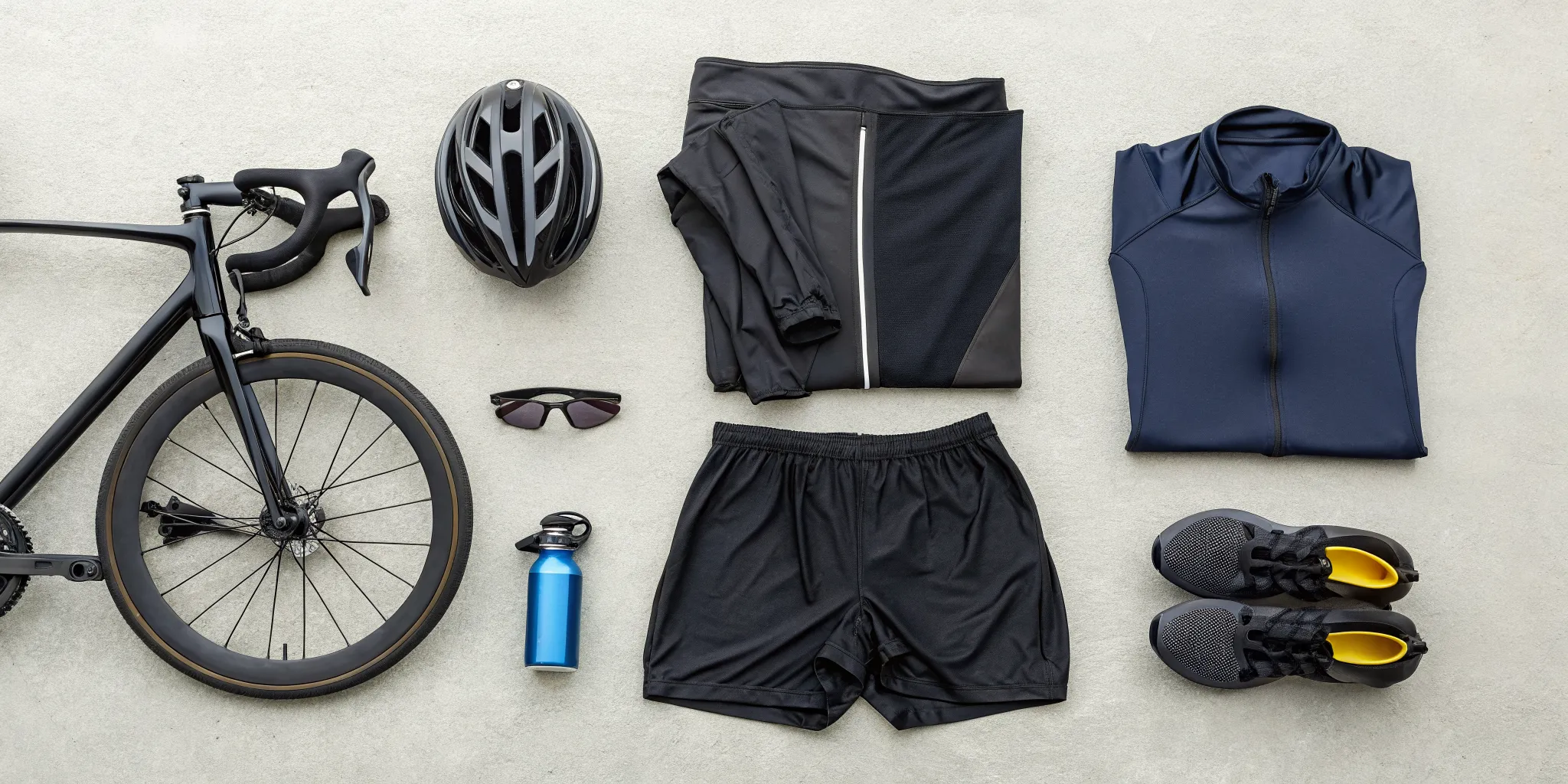
Before you hit the road, a quick gear check is a must. Your bike should be in good working order, so a tune-up is always a great idea. Beyond that, here are the core items every century rider should have.
- A Helmet: This is non-negotiable. Safety always comes first.
- Padded Cycling Shorts: Trust us on this one. Cycling shorts have a built-in cushion (called a chamois) that makes a huge difference in comfort over long distances.
- Water Bottles or Hydration Pack: You’ll need at least two bottle cages on your bike or a hydration pack to stay properly hydrated.
- A Flat Kit: Pack a spare tube, tire levers, and a small pump or CO2 inflator. Knowing how to fix a flat is an empowering skill for any cyclist.
You can find many of these essentials, like jerseys and water bottles, in the Bike to the Beach shop.
Choose the Right Apparel for Comfort
What you wear can make or break a long ride. Look for moisture-wicking fabrics that pull sweat away from your skin to keep you dry and prevent chafing. A good cycling jersey is designed with pockets on the back, which are perfect for stashing snacks, your phone, or sunscreen. Cycling gloves can also be a game-changer, as they absorb vibrations from the road and protect your hands. Beyond function, your apparel is a way to connect with the cause. Wearing your event apparel is more than just practical; it’s a visual representation of the community you’re a part of. It connects you to every other rider on the road, all working toward the same goal.
Discover Gear from Our Favorite Sponsors
One of the best parts of a charity ride is the incredible support from sponsors and community partners. These organizations are invested in your success and often provide gear that makes your ride smoother and more enjoyable. You’ll frequently see sponsors providing essentials like branded water bottles, high-energy snacks, and sunscreen at fully-stocked rest stops along the route. Some brands even create special cycling kits that directly support charitable causes. When you become a sponsor, you’re not just getting your name out there; you’re becoming a vital part of the event’s support system. For riders, this network of support means you can focus more on pedaling and less on logistics, knowing a whole community is cheering you on.
How to Maximize Your Fundraising Impact
Your ride is about more than just crossing the finish line; it’s about making a real difference for individuals and families in your community. Fundraising is your opportunity to invite people into your journey and share the mission with them. Think of it less as asking for money and more as building a team of supporters who are cheering you on every mile. It’s a chance to share your passion for the cause and show your network how they can be part of something bigger.
Many riders find that fundraising is one of the most rewarding parts of the experience. With a compelling fundraising page, a smart social media plan, and a little help from your network, you can easily meet and even surpass your goal. We’ll walk you through exactly how to make it happen.
Set Up a Winning Fundraising Page
Your fundraising page is the central hub for your entire effort, so make it shine! This is where you’ll share your story and direct everyone who wants to support you. Start with a clear, high-quality photo of yourself, maybe on a training ride. Then, write from the heart about why you bike. What connects you to this cause? Why did you choose this ride? Sharing your personal motivation is the most powerful way to inspire others to give. Set a clear goal, and don’t be afraid to aim high. We’re here to help you with tools and ideas to get you started. Pro tip: make the first donation yourself to get the ball rolling and show you’re all in.
Share Your Story on Social Media
Social media is your megaphone for sharing your journey from start to finish. Use it to post updates on your training, share photos from your rides, and talk about the progress you’re making toward your mileage and fundraising goals. But don’t just ask for donations. Tell a story. Share facts about the local autism and disability partners your ride supports. Give public shout-outs to people who donate to thank them and show momentum. You can even create a fun challenge or a personal hashtag for your ride to get your friends involved. The more you share your authentic experience, the more people will feel connected to your mission and want to contribute.
Engage Your Network and Local Businesses
While social media is great, don’t forget the power of a personal touch. Send direct emails or texts to close friends, family, and colleagues explaining what you’re doing and why it’s important to you. Many people are happy to support a cause you’re passionate about. Also, check if your employer offers a matching gift program; it’s an easy way to double your donations. You can also approach local businesses. By forming a corporate team or asking them to become a sponsor, you give them a chance to connect their brand with a world-class event and support a great cause right in their own community.
What to Expect on Event Day
The morning of the ride is electric. After weeks of training and fundraising, this is the day all your hard work comes together. You’ll feel the energy as soon as you arrive at the starting line, surrounded by hundreds of fellow riders, volunteers, and community members who share your commitment. It’s a powerful reminder that you’re part of something much bigger than just a bike ride. This day is a celebration of community, a demonstration of strength, and a huge step forward for the local autism and disability partners we support.
Remember to plan for a full day. The event starts early and is designed to be an all-day experience, culminating in a finish line celebration at the beach that you won’t want to miss. From the first pedal stroke to the final cheer, you’ll be fueled by the incredible spirit of the Bike to the Beach community. Our team is there for you every step of the way, with fully-stocked rest stops, dedicated support vehicles, and cheering volunteers. Your only job is to pedal, take in the scenery, and connect with the people around you. This guide will walk you through what to expect, so you can feel confident, prepared, and ready to make the most of every moment. The journey to the beach is an incredible one, and we’re so glad to share it with you.
Your Pre-Ride Morning Checklist
A great ride starts with a smooth morning. Wake up with enough time to eat a familiar, carb-rich breakfast and hydrate well. Don’t try anything new on event day! Before you head out, do a final check of your gear: helmet, filled water bottles, bike computer, and a small saddlebag with a spare tube and multi-tool. Check the weather forecast one last time and dress in layers you can easily shed as the day warms up. Plan to arrive at the start line with time to spare. This gives you a chance to drop off your bag, find your teammates, and soak in the incredible atmosphere. You can find specific start times and locations for your event on our ride pages, like the one for our New England rides.
Pace Yourself and Stay Mentally Strong
A century ride is a test of endurance, not speed. The challenge requires hours of steady effort, so managing your energy is key. Remember the old saying: it’s a marathon, not a sprint. Resist the urge to start too fast with the initial adrenaline rush; you’ll be grateful for that conserved energy later. A great strategy is to break the ride into smaller, manageable chunks, focusing only on getting to the next rest stop. Patience and discipline are your best friends out on the road. When you feel a tough moment coming on, reconnect with your purpose. Thinking about the community you’re supporting is a powerful motivator that can help you push through any challenge. That’s truly why we bike.
Use Support Stations and Ride Safely
You’re never alone on a Bike to the Beach ride. Our routes are fully supported with rest stops every 15-20 miles, staffed by amazing volunteers ready to cheer you on. These stations are stocked with water, sports drinks, and plenty of snacks to keep you fueled and hydrated. While we’ve got you covered, it’s always a good idea to bring a little more food and water than you think you’ll need, just in case. Your safety is our top priority, so please ride predictably, use hand signals, and communicate with fellow cyclists. Follow the rules of the road and be aware of your surroundings. Our support team is always on the course to help with mechanical issues or anything else you might need during your ride to the beach.
How Sponsors and Brands Power These Events
A successful charity ride is a massive team effort, and our sponsors are some of the most valuable players on the team. From major cycling companies to the local coffee shop down the street, these partnerships are what make the entire event possible. They provide the funding, gear, and fuel that keep us rolling, ensuring every rider has a safe, supported, and memorable experience from the starting line to the beach.
These collaborations are about more than just logos on a banner. They represent a shared commitment to strengthening our communities and supporting individuals with autism and other disabilities. When a brand partners with an event like Bike to the Beach, they become part of a powerful movement, connecting their name with a cause that truly matters. This collective action is a core part of why we bike and what makes the finish line so meaningful for everyone involved.
See How Major Cycling Brands Partner with Rides
When you see a well-known cycling brand at a charity ride, it’s a sign of a quality event. These companies partner with rides to connect with cyclists in a meaningful way, offering everything from mechanical support at rest stops to prizes and gear. Their involvement brings a level of expertise and credibility that helps everyone feel more confident on the road. For these brands, it’s a chance to showcase their products while investing in the health and wellness of the communities they serve. This kind of support helps us create a world-class experience that riders return to year after year.
Learn the Role of Nutrition and Gear Sponsors
Ever wonder where all those snacks and drinks at the rest stops come from? That’s the magic of nutrition and gear sponsors. These partners provide the essential fuel and products that help you perform your best and recover faster. Think high-performance energy gels, hydration mixes, and even skincare to protect you from the elements. By providing these essentials, sponsors give you a chance to try out great products while directly contributing to your success on the ride. It’s a practical and powerful way for them to support every single participant on their journey to the finish line.
Discover How Local Businesses Get Involved
Sponsorship isn’t just for national brands. The heart of our events comes from the local businesses that invest in their own communities. From forming a corporate team to having your business become a sponsor, these local partners are essential. You’ll see them running rest stops, cheering on riders, and celebrating at the finish line. Their involvement shows a deep commitment to making their neighborhoods stronger and more inclusive. This local-first approach ensures that the funds and energy raised by the ride stay right in the region, supporting families and programs close to home.
What Are the Lasting Benefits of Your Ride?
Crossing the finish line is an incredible feeling, but the impact of your charity ride extends far beyond that single moment. The training, fundraising, and community connections you build create a ripple effect that benefits your own well-being and strengthens the cause you ride for. When you commit to a ride, you’re not just signing up for a physical challenge; you’re stepping into a journey of personal growth and community action. The rewards are tangible, from improved health to a deeper sense of purpose that stays with you long after you’ve unclipped your pedals.
Improve Your Physical Health
Training for a 100-mile ride is a powerful motivator to prioritize your physical fitness. With consistent preparation, this goal is achievable for most people and creates a framework for building healthy, sustainable habits. Every training ride enhances your cardiovascular health, builds muscular endurance, and strengthens your resolve. You’ll discover a new level of physical capability and mental toughness you may not have known you had. This journey is about more than just covering distance; it’s about investing in your long-term health and discovering the incredible things your body can do when you have a strong reason why we bike.
Build Meaningful Community Connections
A charity ride brings people together around a shared goal, creating a powerful sense of community that’s hard to find anywhere else. You’ll train alongside, ride with, and be cheered on by people from all walks of life who are united by a common purpose. These events foster genuine connections among riders, volunteers, and families who are part of the cause. Whether it’s at a training event for our New England ride or at a rest stop on event day, you become part of a supportive network. This shared experience turns a solo sport into a team effort, leaving you with new friends and a lasting feeling of belonging.
Become a Lifelong Advocate for the Cause
Participating in a charity ride gives you a platform to become a powerful advocate. As you train and fundraise, you’ll find yourself sharing why the cause matters to you. This act of sharing your story educates your friends, family, and colleagues, raising crucial awareness for the autism and disABILITY community. Your involvement doesn’t end at the finish line. The knowledge you gain and the passion you develop often inspire continued action, turning a one-time event into a lifelong commitment. You become part of a dedicated community working to create a more inclusive world, one pedal stroke and one conversation at a time.
Related Articles
- 100 Mile Bike Ride: Your Ultimate Training Guide
- Your Guide to the Best Century Rides of 2026
- Community – Bike to the Beach
- Bike Fundraising Events: Your Step-by-Step Guide
- Bike Ride for Autism Awareness: A Complete Guide
Frequently Asked Questions
Do I need to be a serious cyclist to complete a 100-mile ride? Not at all. Our rides are designed for people of all skill levels, from seasoned cyclists to first-timers. The key isn’t speed; it’s consistent training and a strong connection to the cause. With a solid training plan and the incredible support you’ll find on the course, a century ride is a very achievable goal for anyone committed to the journey.
What if I don’t think I can finish the full 100 miles? That’s completely fine. While the 100-mile ride is our signature distance, many of our events offer shorter route options. The goal is to participate in a way that feels right for you. This day is about community and contribution, not just mileage, and we celebrate every single person who joins us at the finish line.
Where does the money I raise actually go? This is one of the most important parts of our mission. Unlike many national events, the funds you raise stay right in your local community. We partner with local autism and disability organizations in each region, so your hard work directly supports the programs and services that help families in your own backyard.
What kind of support can I expect on the day of the ride? You can expect to be fully supported from start to finish. We have rest stops every 15 to 20 miles stocked with food, water, and sports drinks. We also have support and gear (SAG) vehicles along the entire route to help with mechanical issues or give you a lift if you need one. Our team of staff and volunteers is there to cheer you on and make sure you have a safe and amazing experience.
How can I participate if I don’t want to ride a bike? Riding is just one way to be part of the Bike to the Beach community. We always need enthusiastic volunteers to help with everything from running rest stops to cheering at the finish line. You can also support a rider or team with a donation, or your company can get involved as a sponsor. Every role is essential to making the event a success.