

The Story of the Sensory Gym at Celebrate the Children
See how the sensory gym Celebrate the Children was built through community support, creating a space for growth, inclusion, and real impact for students.

Have you ever wondered where the energy from every pedal stroke truly goes? It’s a powerful question we ask ourselves at Bike to the Beach. It’s not just about crossing a finish line; it’s about what our community builds together along the way. This year, that collective energy took the form of something truly special: a brand-new therapeutic space for students. This is the story of the sensory gym Celebrate the Children, one of our incredible local partners, was able to create with your support. This project perfectly captures our mission in action, turning miles into tangible resources that empower our local autism and disability communities.
Turning Miles into Meaning: The Bike to the Beach Sensory Gym Story
In 2025, Celebrate the Children — a pioneering New Jersey school for students with autism and developmental differences — turned fundraising power into real-world impact. This video captures how Bike to the Beach was able to support the building of a Sensory Gym with Celebrate the Children.
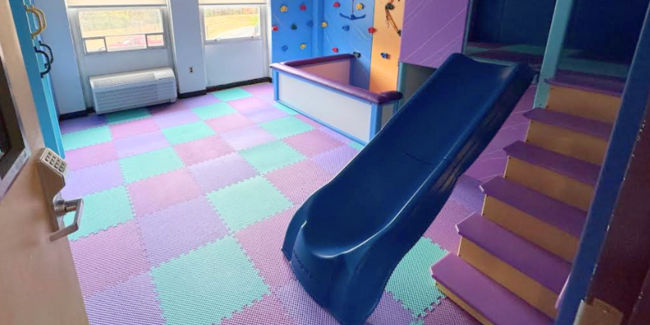
Thanks to the dedication of Bike to the Beach riders, donors, and supporters, the school built a brand-new sensory gym — a vibrant, hands-on space where students can regulate, refocus, and recharge throughout the school day
This story captures exactly why we bike: to build opportunities for growth, connection, and inclusion — one ride and one community at a time.
👉 Learn more about Bike to the Beach’s mission
Understanding Sensory Gyms and Their Impact
The story of Celebrate the Children’s new sensory gym highlights a powerful outcome of our community’s fundraising efforts. But what exactly are these spaces, and why are they so important? It’s one thing to see the finished product, but understanding the “why” behind it is what truly connects our miles to meaning. Let’s explore the role sensory gyms play in supporting development, regulation, and well-being for so many individuals in our communities.
What is a Sensory Gym?
A sensory gym is much more than just a playroom. It’s a thoughtfully designed space filled with specialized equipment that helps individuals engage their senses and regulate their bodies. Think of it as a therapeutic playground where every item serves a purpose. The equipment is chosen to stimulate the senses, challenge balance, and improve body awareness, also known as proprioception. From swings and trampolines to ball pits and climbing walls, each element provides the specific sensory input a person might need to feel calm, focused, and in control. It’s a safe environment where kids and adults can explore movement and sensory experiences at their own pace, helping them build confidence and essential life skills.
Who Can Benefit from a Sensory Gym?
While you might picture young children when you think of a sensory gym, these spaces are designed for people of all ages. They are particularly beneficial for individuals with Sensory Processing Disorders (SPD), autism, or ADHD, as they provide a structured way to manage sensory needs in a safe and supportive setting. However, the benefits extend to everyone. A sensory gym offers an inclusive environment where people can build physical strength, improve coordination, and develop social skills without the pressures of a typical playground. It’s a place where everyone is welcome to play, learn, and grow. Supporting these kinds of community resources is a core part of why we bike—to help create spaces where everyone has the opportunity to thrive.
Inside the Bike to the Beach–Funded Sensory Gym
Designed for movement, exploration, and self-regulation, the Celebrate the Children sensory gym transforms therapy into play and learning into growth.
What Makes This Sensory Gym Special?
- Monkey bars, zip lines, and movement-based therapy tools for strength and coordination
- Calm-down corners for reflection, focus, and emotional regulation
- Interactive sensory elements that promote awareness and attention
This isn’t just a playroom — it’s a thoughtfully designed environment where students can reset, thrive, and engage more deeply in learning.
🧩 Each sensory element helps students build the confidence and calm needed to succeed — both inside and outside the classroom.
Therapeutic Benefits of Sensory Gym Equipment
A sensory gym is so much more than an indoor playground. Every piece of equipment is intentionally chosen to help children develop key physical, cognitive, and emotional skills. It’s a place where movement becomes a tool for growth, and play becomes purposeful. By engaging their bodies in specific ways, kids can improve their ability to process sensory information, which helps them feel more calm, focused, and in control. Let’s look at some of the classic sensory gym features and the powerful therapeutic work they do.
Swings
Swings are a cornerstone of sensory integration therapy for a reason. The simple, rhythmic motion can be incredibly calming for a child who feels overwhelmed, helping to organize their nervous system and reduce anxiety. At the same time, a more dynamic swinging session can provide exciting input for kids who need more stimulation to feel regulated. Beyond the sensory benefits, swinging is a fantastic way to build physical skills. It helps develop core and arm strength, improve balance, and increase body awareness—all while feeling like pure fun.
Slides
The journey down a slide is just one part of its therapeutic value. The entire process, from climbing the ladder to the final descent, is a powerful developmental sequence. Climbing requires motor planning and bilateral coordination—the ability to use both sides of the body together in a controlled way. This simple act strengthens the connection between the brain and body. The fast trip down engages the vestibular system, which governs balance and spatial awareness, helping a child understand where their body is in space and feel more grounded.
Rock Walls
Rock walls and monkey bars present a fun physical challenge that doubles as a brain-building exercise. To successfully cross a wall, a child has to plan their movements, assess where to place their hands and feet, and use strength from their entire body. This process is a masterclass in motor planning, problem-solving, and improving body awareness. Just as importantly, reaching the top or making it to the other side provides an incredible sense of accomplishment. It’s a tangible way for kids to face a fear, build resilience, and see what they’re capable of achieving.
Tunnels
For a child experiencing sensory overload, a tunnel can be a welcome retreat. These enclosed spaces offer a quiet, cozy place to hide and calm down, providing a break from visual and auditory stimulation. The act of crawling through a tunnel also offers valuable sensory input. It provides deep pressure to the joints and muscles, which has a grounding and organizing effect on the nervous system. This helps with self-control and also encourages tactile exploration in a safe, predictable way, making it a key tool for self-regulation.
Crash Pads and Foam Pits
Crash pads and foam pits are the perfect solution for kids who need a lot of sensory input to feel centered. They provide a safe and appropriate place to jump, fall, and crash, satisfying the need for intense physical sensation without risk. This deep-pressure input is highly regulating for many children and helps them develop better body awareness and self-control. It’s also an excellent environment for practicing balance, building strength, and planning movements, turning high energy into a productive and joyful therapeutic activity.
Additional Benefits of Sensory Gyms
While the equipment is central to the experience, the impact of a sensory gym extends far beyond physical movement. These spaces become vital hubs that support not only the children who use them but also their families and the wider community. When a sensory gym opens its doors, it creates a ripple effect of connection, acceptance, and shared strength. This is exactly why we bike—to help build these essential community resources that empower families and create opportunities for everyone to thrive.
Supporting Broader Therapeutic Goals
A sensory gym is a dynamic environment where children can work on multiple therapeutic goals at once, all through the power of play. Because the activities are inherently fun and motivating, kids are more likely to engage fully and push their own boundaries. The skills they build here—from improved motor coordination and sensory processing to better communication and social interaction—don’t stay in the gym. They translate directly into greater success and confidence in the classroom, at home, and in social situations, providing a foundation for lifelong learning and connection.
Creating a Community Hub
Perhaps one of the most important functions of a sensory gym is its role as a community hub. It’s a place where kids can meet peers and make friends in a setting designed for their success. At the same time, it offers parents and caregivers a space to connect with others who share similar experiences. Finding that support network can be transformative, reducing feelings of isolation and creating a powerful sense of belonging. These gyms become places where families share advice, celebrate victories, and build lasting friendships, strengthening the entire local disability community.
Providing a Non-Judgmental Space
In a world that isn’t always designed to accommodate their needs, a sensory gym is a sanctuary. It’s a welcoming, non-judgmental environment where children are free to explore, move, and be their authentic selves. Behaviors that might be misunderstood in other settings are recognized as a natural part of a child’s sensory experience. This atmosphere of acceptance is crucial for building self-esteem and confidence. By providing a space where every child is understood and celebrated, these gyms empower them to learn and grow without limits, supported by dedicated community partners who believe in their potential.
From Pedals to Purpose: How Bike to the Beach Riders Create Real Impact
Every mile matters. The building of a Sensory Gym with Celebrate the Children stands as a shining example of how Bike to the Beach riders and sponsors turn miles into meaningful impact.
Through community fundraising, riders helped fund construction materials, equipment, and therapy tools that support children’s physical, emotional, and academic development.
Because of our growing network of supporters, schools like Celebrate the Children can continue to expand inclusive spaces — helping students with autism and developmental differences move, play, and thrive every day.
This is what happens when purpose meets pedaling — transformation, inclusion, and opportunity take shape.
Watch the Video: Why We Bike
See the impact in action.
🎥 Watch the full “Why We Bike” video on YouTube → Experience how the Bike to the Beach sensory gym project came to life — powered by community, compassion, and every pedal stroke that makes change possible.
Help Us Create More Stories Like This One
Register to ride or donate today to help us continue supporting incredible partners like Celebrate the Children and the students they serve.
Frequently Asked Questions
Where does the money raised by Bike to the Beach riders actually go? Your fundraising efforts go directly to supporting local autism and disability partners in your own community. The sensory gym at Celebrate the Children is a perfect example. Instead of sending funds to a national headquarters, we empower our local partners to use the money they raise for projects they know will have the greatest impact, from building therapeutic spaces to funding essential family support programs.
What makes a sensory gym different from a regular playground? While both involve play, a sensory gym is a therapeutic environment designed with a specific purpose. Every piece of equipment, from the swings to the crash pads, is chosen to help individuals regulate their nervous systems, improve body awareness, and build motor skills. It’s a space where movement is intentionally used to help kids and adults feel more calm, focused, and in control.
Are these gyms only for children with autism? Not at all. While sensory gyms are incredibly beneficial for individuals with autism or sensory processing disorders, they are designed to be inclusive spaces that support everyone. The equipment helps people of all ages and abilities build physical strength, improve coordination, and gain confidence in a safe, non-judgmental environment. It’s a community resource where everyone is welcome to play and grow.
How does my bike ride actually help build something like a gym? Think of it as collective power. Every rider who signs up commits to fundraising within their personal network. When you combine the efforts of hundreds of riders, those individual donations add up to create a significant fund. We then work with our local partners, like Celebrate the Children, to direct that collective energy toward a specific, tangible project that serves the community for years to come.
I’m not a cyclist. How can I support projects like this one? Riding is just one way to be part of the mission. You can make a huge difference by donating directly to a rider or to the event’s general fund. We also rely on a team of amazing volunteers to make our ride days a success. Spreading the word or encouraging your company to become a sponsor are other powerful ways to help us turn more miles into meaning for our community partners.
Key Takeaways
- Community fundraising creates real change: Every dollar raised and mile ridden helps build tangible resources, like the Celebrate the Children sensory gym, that directly support local families.
- Sensory gyms are essential therapeutic tools: They use purposeful play with equipment like swings and rock walls to help individuals build physical skills, improve focus, and develop self-regulation in a safe, supportive setting.
- These spaces build more than skills, they build community: Sensory gyms provide a non-judgmental environment where kids can be themselves and families can connect, reducing isolation and creating a strong support network.